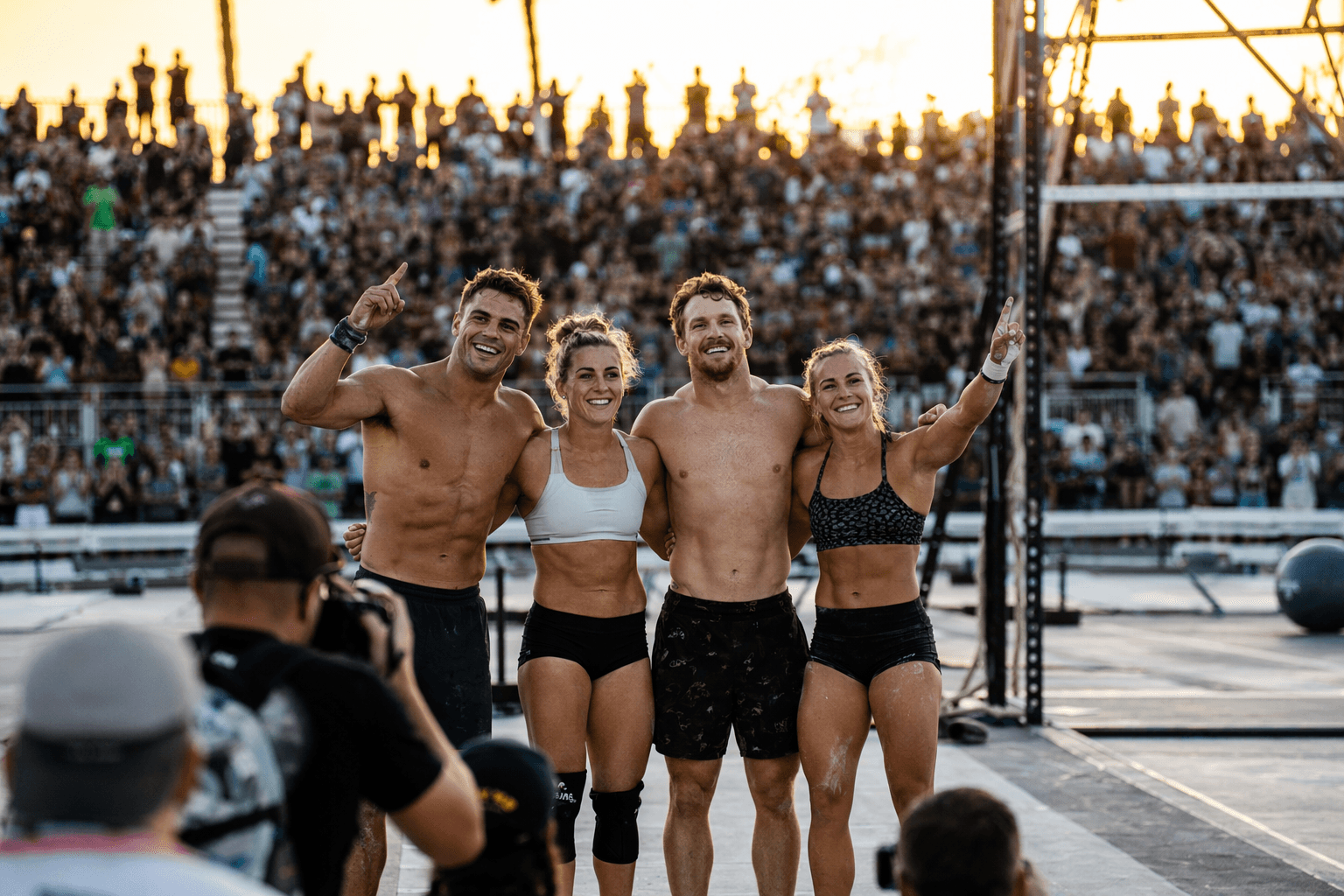
CrossFit’s elite roots should attract beginners, not intimidate them
CrossFit’s toughest roots are the reason beginners belong. The same training logic that served SWAT, SEALs, and Special Forces is built to scale for first-timers, parents, and older athletes.
The gym-floor reality is a lot wider than the public image
CrossFit still gets described like a proving ground for operators and Games contenders, but the day-to-day reality is far more ordinary and, in a useful way, far more useful. The same system that first drew a Florida SWAT team, then spread through Navy SEALs, Reconnaissance Marines, and Army Special Forces, is now designed to serve the first-time class member standing next to a retired parent or a scaled competitor chasing a safer return to intensity.
That is the key shift worth understanding: CrossFit’s elite roots were never supposed to make the program exclusive. They were supposed to prove that broad fitness matters when life gets demanding, whether the demand comes from combat, sport, work, or simply aging well.
Why the origin story matters
CrossFit’s Level 1 Course began with a request from a Florida SWAT team that wanted to use CrossFit as its training program. From there, the method earned credibility fast among some of the most physically demanding professions in the country. That early adoption gave CrossFit its hard-edged reputation, but it also explains why the system was built around capacity, not cosplay.
The message in that origin story is simple: if a training model can prepare people for extreme jobs, it can also help everyone else become stronger, more capable, and more independent. That is why the elite connection should feel reassuring to beginners, not intimidating. It shows the program was stress-tested in high-output environments before it became a mainstream gym model.
CrossFit’s own definition points toward inclusion
CrossFit has long defined fitness as broad work capacity across 10 domains: cardiovascular and respiratory endurance, stamina, strength, flexibility, power, speed, coordination, agility, balance, and accuracy. That definition matters because it makes clear CrossFit is not chasing just one quality, like brute force or endurance alone. It is trying to build physical competence that holds up across many kinds of effort.
The same framework says the needs of Olympic athletes and grandparents differ “by degree, not kind.” That phrase is the heart of the argument. It means the goal is not to create a separate, watered-down version for everyday people; it is to adjust the dose so the same training can serve different bodies, ages, and goals.
Scaling is part of the program, not a retreat from it
One of the most misunderstood parts of CrossFit is scaling. In practice, scaling changes load and intensity rather than changing the program itself. That distinction matters on the gym floor, where a beginner, a scaled competitor, and a veteran can all do the same workout stimulus in ways that are appropriate for their own capacity.
That is why thoughtful scaling should never be treated as second-best. It is how the system stays broad, general, and inclusive. It also keeps the training relevant for people who may not yet move like competitors, but still want the same underlying benefits: stronger hips and shoulders, better conditioning, more coordination, and the ability to keep showing up week after week.
What beginners should notice first
The best CrossFit boxes do not use elite roots as a gatekeeping tool. They use them as context. The programming is still built around high output and hard work, but the path into it is intentionally adjustable, which is exactly why a new athlete can step in without needing a pre-existing competitor’s engine.
For newcomers, the useful mindset is not “Can I survive this?” It is “How do I scale this so it still trains the right thing?” That may mean lighter loading, reduced volume, simplified movement patterns, or slower pacing. The workout stays the workout; the dose changes.
The modern CrossFit audience is bigger than the stereotype
CrossFit’s current messaging reinforces the same point. The brand describes itself as broad, general, and inclusive, and it now promotes the CrossFit Level 1 Certificate Course as entry-level education in foundational principles and movements. More than 300,000 athletes have taken the Level 1 course since 2008, which tells you the method is being packaged for far more than elite operators.
That scale matters. It shows CrossFit now functions as both a training methodology and a learning pathway, one that can support people entering the space for the first time as well as athletes already living in the competitive lane. The affiliate ecosystem backs that up too, with a US$1,000 application fee and support tools such as Affiliate Toolkit, Affiliate Programming, and Affiliate Roundtables. This is not just a workout template anymore. It is a full community and business structure.
Why this model still fits daily life
The strongest case for CrossFit is not that it makes people look like competitors. It is that it helps people stay capable enough to handle everyday life as it changes. The same domains that matter to Games athletes matter to grandparents, parents, workers, and weekend athletes: strength for carrying groceries, balance for staying steady, stamina for long days, and coordination for moving safely and efficiently.
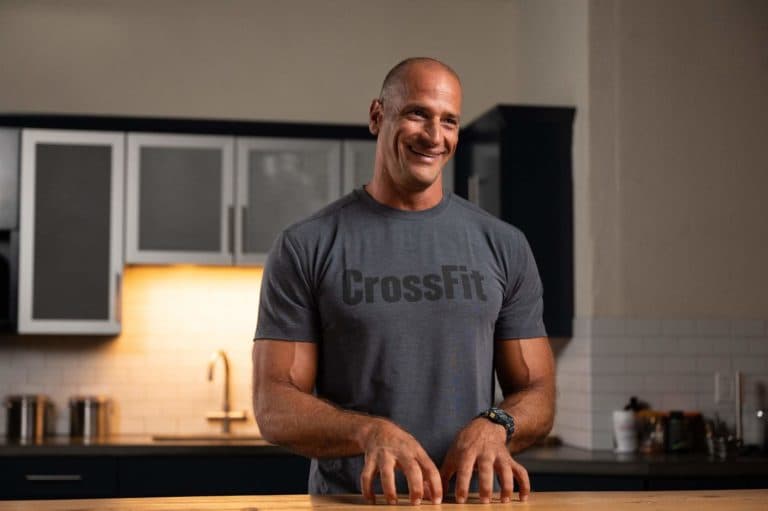
That is why Rochet’s central point lands so well. CrossFit’s history is hard-charging, but its purpose was never to exclude normal people. It was to show that broad fitness has practical value for everyone. The better you understand that, the easier it is to see why a new member, an older member, and a high-level competitor can all belong in the same ecosystem.
The old military logic still shapes the program
A scholarly look at CrossFit’s development notes that the daily WOD structure owes something to late-1990s boot-camp-style training. It also points out that the brand’s scaling flexibility made it useful for deployed troops who did not have access to traditional gym setups. That history helps explain why CrossFit became so adaptable in the first place.
In other words, the method was never built only for pristine facilities or perfect conditions. It was built to function under pressure, with limited equipment, and across widely different populations. That is exactly why it can now serve a beginner in a neighborhood affiliate just as well as it serves an athlete chasing elite performance.
CrossFit’s elite image is real, but it is only half the story. The other half is the one that matters most to the broadest number of athletes: the same system that made the program famous is also what makes it scalable, practical, and worth starting now.
Know something we missed? Have a correction or additional information?
Submit a Tip