Mayhem Classic releases brutal six-event test for 2026 Semifinal start
Six workouts, six chances to crack: Mayhem Classic opens the 2026 Semifinals with a 5K, Gwen, and a punishing finish built to expose gaps fast.
The weekend starts with a warning shot
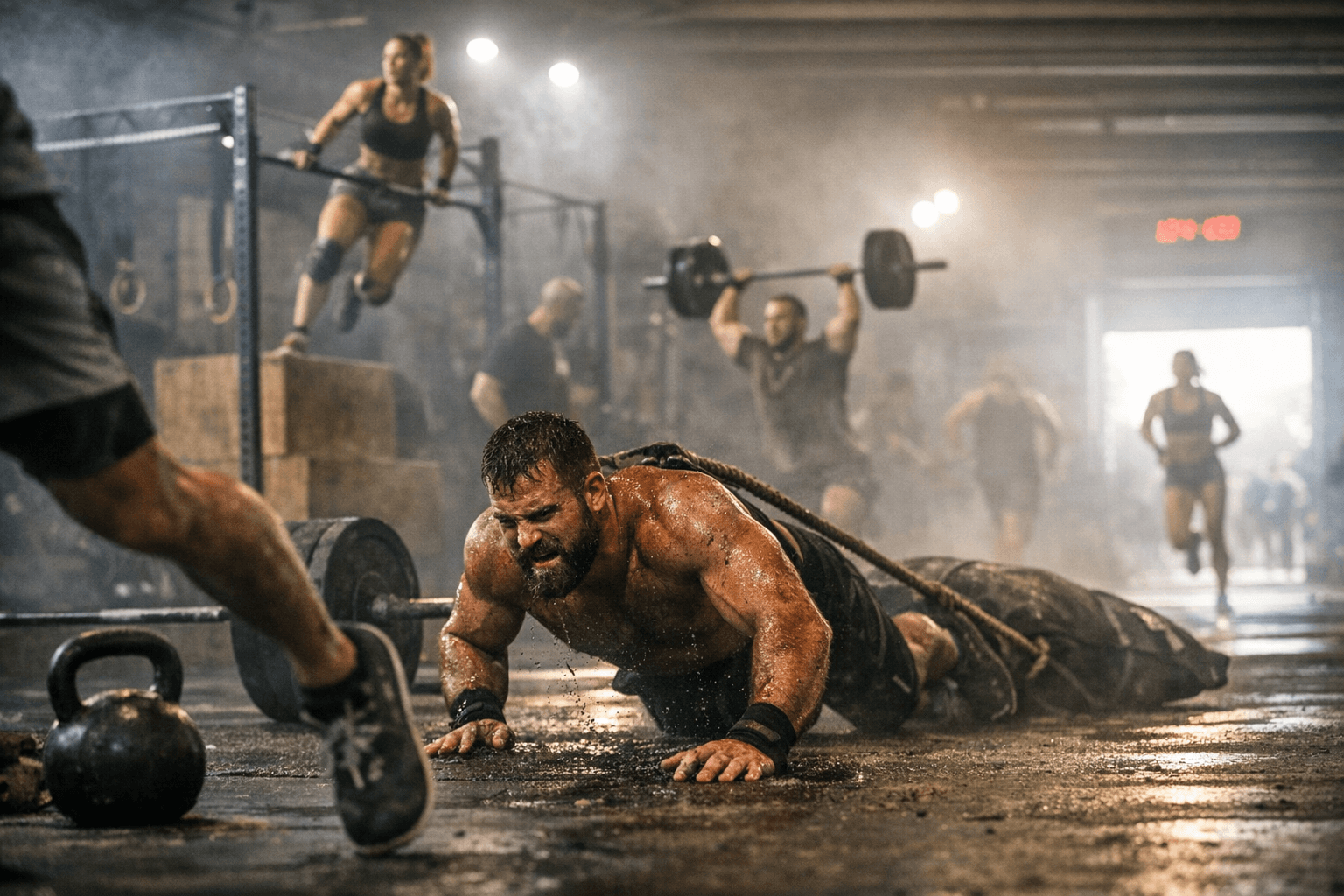
Mayhem Classic lands as the first in-person Semifinal of the 2026 season, with 20 men and 20 women in Cookeville, Tennessee, chasing three Games tickets apiece from April 17 to April 19. The event window runs from 7:00 a.m. on April 17 to 3:00 p.m. on April 19, and the six-workout slate is built to reward complete athletes, not just the fastest barbell movers.
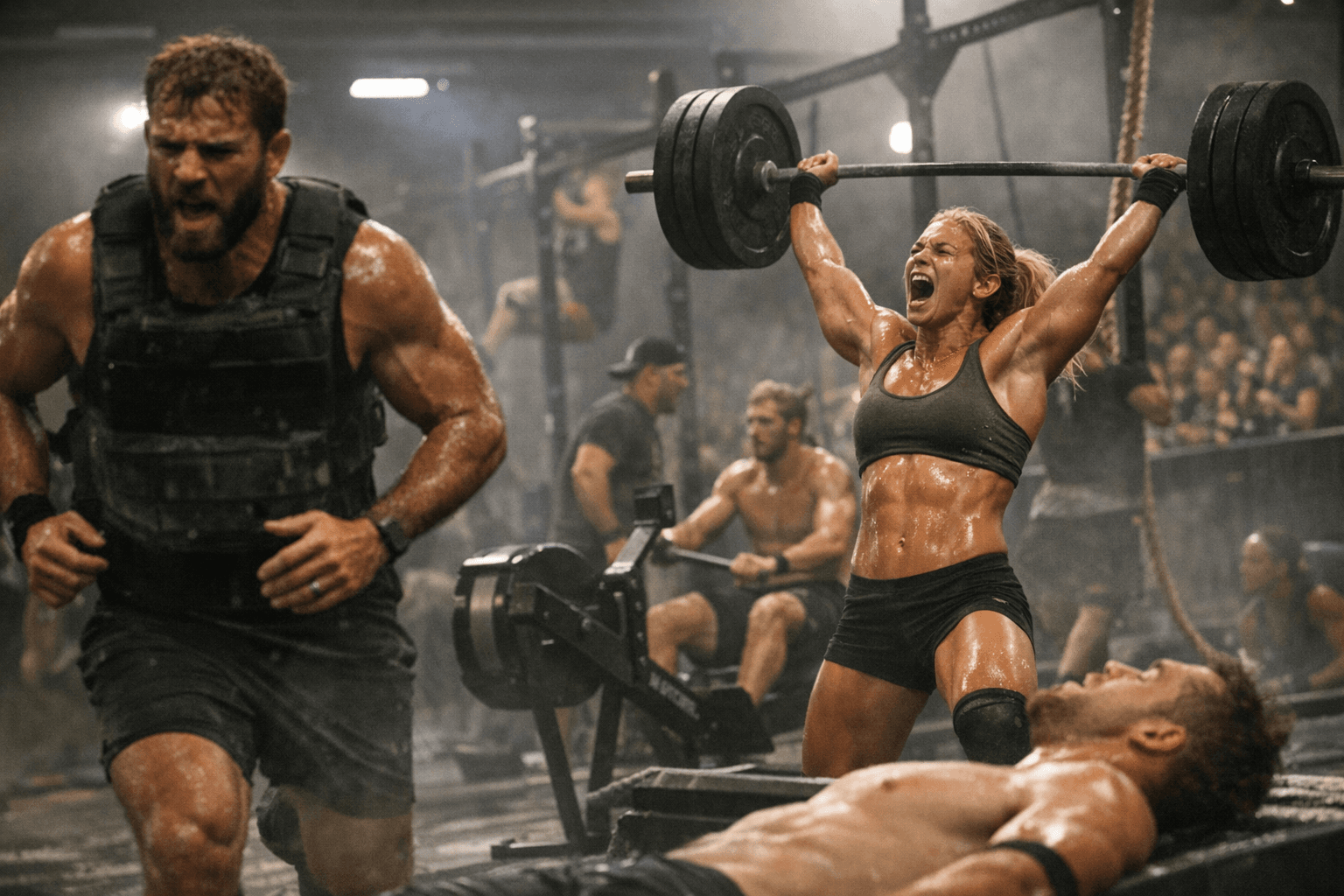
The biggest surprise is the opener: a 5K run. That choice tells every athlete in the field the same thing, pacing and aerobic control matter before the weekend even turns to gymnastics, heavy squats, or rope climbs. In a season that now runs Open, Quarterfinals, Semifinals, and Games, Mayhem becomes the first live proof point after the online stages, and the first place where the pressure turns from leaderboard math to real-time survival.
Event 1: 5K run
The first test rewards the athletes who can settle in and hold pace without burning matches. A straight 5K run is a clean separator because it exposes who has true engine depth and who only looks good in shorter, more chaotic efforts. Anyone leaning on pure power or short-burst sprint capacity is already at risk here, because there is nowhere to hide over 5,000 meters.
That matters even more because the run comes before the more technical events, which means an athlete can open the weekend in trouble before touching a barbell. The field will not just be measured by time, but by how much damage each runner does to the rest of the weekend. If the legs are cooked early, the later squat and rope-climb work gets far more expensive.
Event 2: Gwen
Gwen is a brutal barbell filter: 15-12-9 unbroken clean and jerks at 185 pounds for men and 125 pounds for women, for time. The event rewards athletes who can cycle the bar efficiently and stay calm under grip fatigue, while exposing anyone who needs extra breaks just to protect the shoulders, wrists, or lungs. It is the kind of workout that punishes hesitation immediately.
This is also where the strongest barbell technicians can create daylight. Clean and jerk efficiency matters, but so does the discipline to avoid redlining too early after a run opener. Athletes who can keep the bar moving in long, clean sets will gain a huge advantage, while anyone forced into repeated resets will see the leaderboard slip fast.
Event 3: The Dirty 30s
The Dirty 30s is a long, ugly blend of loaded legs and gymnastics: 30 sandbag squats, 30 ring muscle-ups, 30 sandbag squats, 30 bar muscle-ups, and 30 more sandbag squats. That sequence will reward athletes with strong transitions, durable shoulders, and the ability to keep moving when the legs are already flooded. It is a classic Mayhem-style test because it keeps changing the stress without ever really letting the athlete recover.
This is the kind of event that exposes specialists hard. Strong sandbag squatters still need the gymnastics to be crisp, and great gymnasts still have to survive the repeated loading on the lower body. The athletes who can string together smooth muscle-ups after the first sandbag round are the ones most likely to stay in the hunt, while any miss on the rings or bar will become very expensive by the third trip to the bag.
Event 4: Midline Century
Midline Century shifts the pressure to trunk control and repeatability with 25-calorie ski intervals, GHD sit-ups, and toes-to-bar. This is not just a core workout in the casual sense, it is a test of whether an athlete can keep the midline locked while breathing hard and moving fast. The ski calories raise the heart rate, then the abdominal work asks the body to hold together anyway.
That combination helps athletes who are efficient under fatigue and exposes anyone whose torso starts to break down once the pace spikes. Toe-to-bar volume after GHD sit-ups can turn one small loss of tension into a major drop in rhythm. In a weekend built to punish weaknesses, this event is especially mean because it does not just measure strength, it measures how long the athlete can keep strength organized.
Event 5 and Event 6: Froning’s Revenge and The Final Toll
Froning’s Revenge brings the kind of Mayhem programming fans expect: legless rope climbs, a handstand-walk obstacle, and 275/185 front squats. That is a collision of pulling strength, balance, and heavy front-rack fatigue, which means it favors athletes who can stay composed when skill and load hit at the same time. The strongest all-around movers should separate here, while anyone who depends on one elite skill and one decent lift is likely to get exposed.
The weekend then closes with The Final Toll, a high-fatigue finish of dumbbell bench, 200 double-unders, and a 100-foot farmers lunge. That is a nasty endcap because it taxes shoulders, grip, and leg endurance after five earlier events have already chipped away at the field. It is also the kind of finale that can reshuffle the top of the standings late, especially with Games-level names like Austin Hatfield, Jeff Adler, Saxon Panchik, Colten Mertens, Roman Khrennikov, Jayson Hopper, Kyra Milligan, Lucy Campbell, Lucy McGonigle, Haley Adams, Emily Rolfe, and Gabi Migala in the mix.
That roster depth is exactly why this first live Semifinal matters so much. The athletes who survive the run and hang onto Gwen are the ones most likely to still be standing when the rope climbs and farmer’s lunge land on tired legs. By Sunday afternoon, the names already in trouble will not be hard to spot, because this test is designed to expose them early and keep exposing them all weekend.
Know something we missed? Have a correction or additional information?
Submit a Tip