Safe, Performance-Focused Return to Olympic Lifts for CrossFit Athletes After Extremity Injuries
A clear, clinician-ready roadmap to get CrossFit athletes back to snatch, clean & jerk and muscle-clean variants after upper- or lower‑extremity injuries, fast but safe.
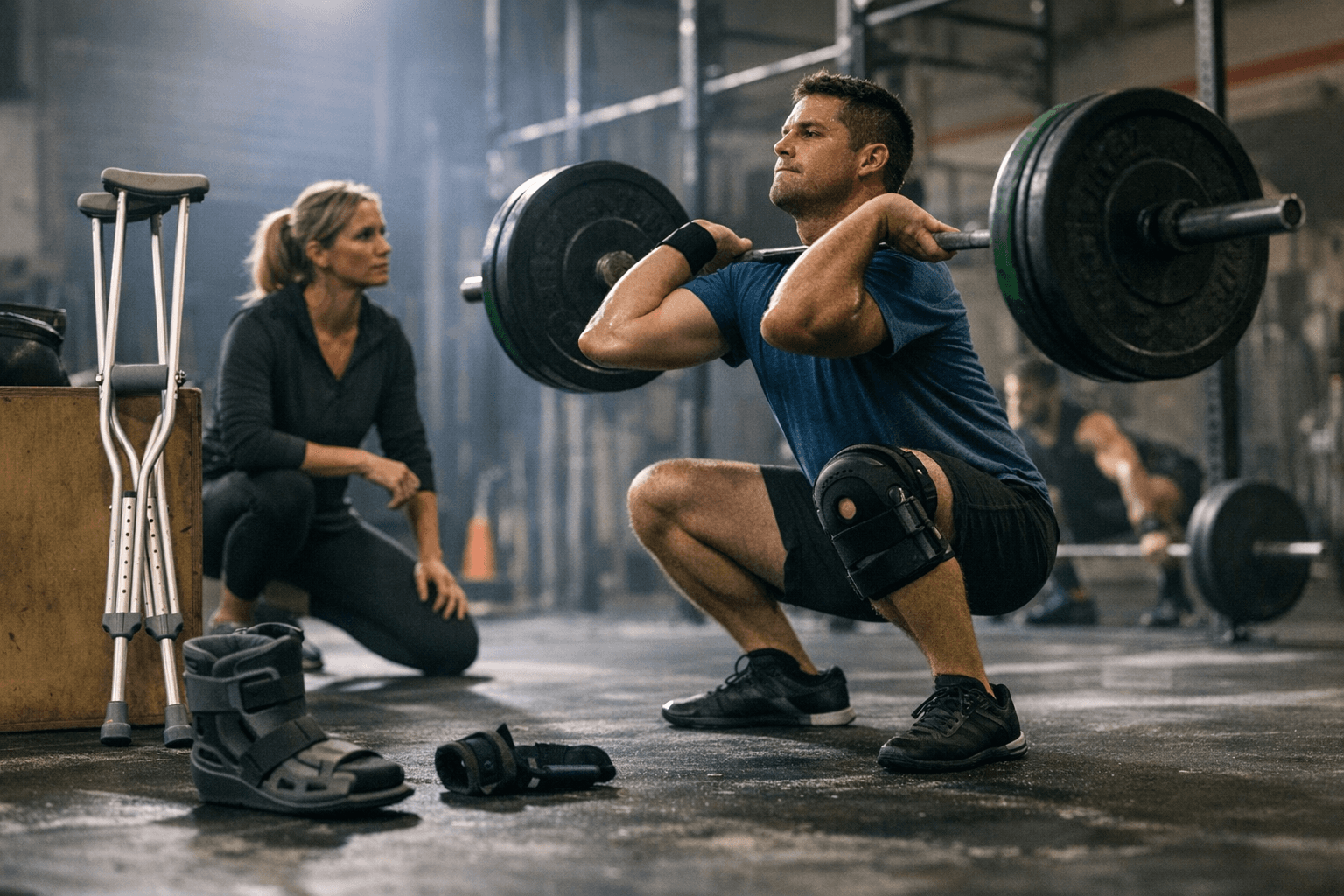
I’ve returned CrossFit athletes to full Olympic lifting after everything from distal radius fractures to ACL reconstructions; here’s the step‑by‑step, performance‑first plan I use with coaches and rehab clinicians to protect healing tissue while rebuilding speed and load capacity for the snatch, clean & jerk and muscle‑clean variations.
1. multidisciplinary clearance and shared goals
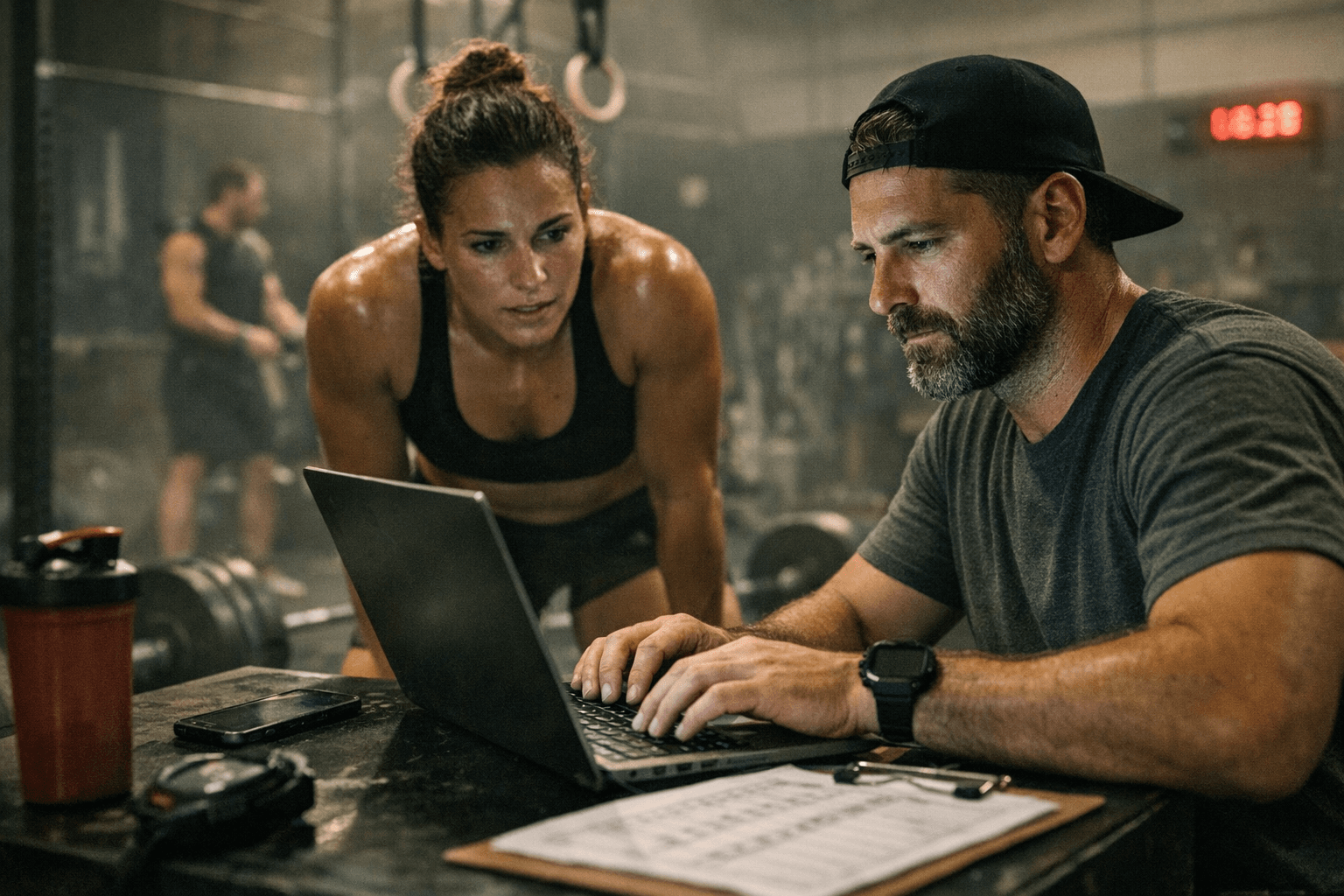
Begin every program with a coordinated plan between the athlete, coach, and rehab clinician (PT/ATC). Clearance must be tissue‑specific: ligament repairs, fractures, and tendon repairs each have different protective timelines that the clinician will set; never override a written restriction. Establish performance goals up front (e.g., return to full snatch complexity, or only power‑clean for competition) so the progression targets the right movement variants.
2. objective criteria for progression
Use measurable criteria, not just pain, to advance. Examples I rely on: full, pain‑free active ROM compared to the contralateral limb within 10–15%; ability to perform 3×10 bodyweight split squats or single‑leg Romanian deadlifts with equal control; and scapular and rotator cuff isometrics at less than 20% strength deficit. If those numbers aren’t met, regress the lift or drop load, don’t push technique into compensatory patterns.
3. phased timeline tied to tissue healing and function
Organize training around healing phases: protect and reestablish basic motion, rebuild motor control and unloaded technique, reintroduce load and rate, then capacity and variability. Practically: phase 1 is early ROM and pain control (usually clinician‑led); phase 2 is neuromotor retraining and unloaded patterning (PVC/empty bar and variations); phase 3 is graded loading (percent‑based increases) and speed; phase 4 is sport‑specific capacity (WOD integration). Use the clinician’s healing milestones, not calendar days, as the gating mechanism.
4. mobility and joint‑specific prerequisites
Before reloading Olympic patterns, ensure movement prerequisites are met for both upper and lower extremities. For lower extremities: ankle dorsiflexion >10–15° with knee‑to‑wall test, hip internal rotation within 10–15° of the opposite side, and symmetrical single‑leg squat to at least parallel. For upper extremities: shoulder flexion and external rotation within functional range for overhead positions and pain‑free scapular upward rotation. If these fail, prioritize targeted mobility and soft‑tissue work for 1–3 weeks before technical lifts.
5. motor control first: regressions and drills
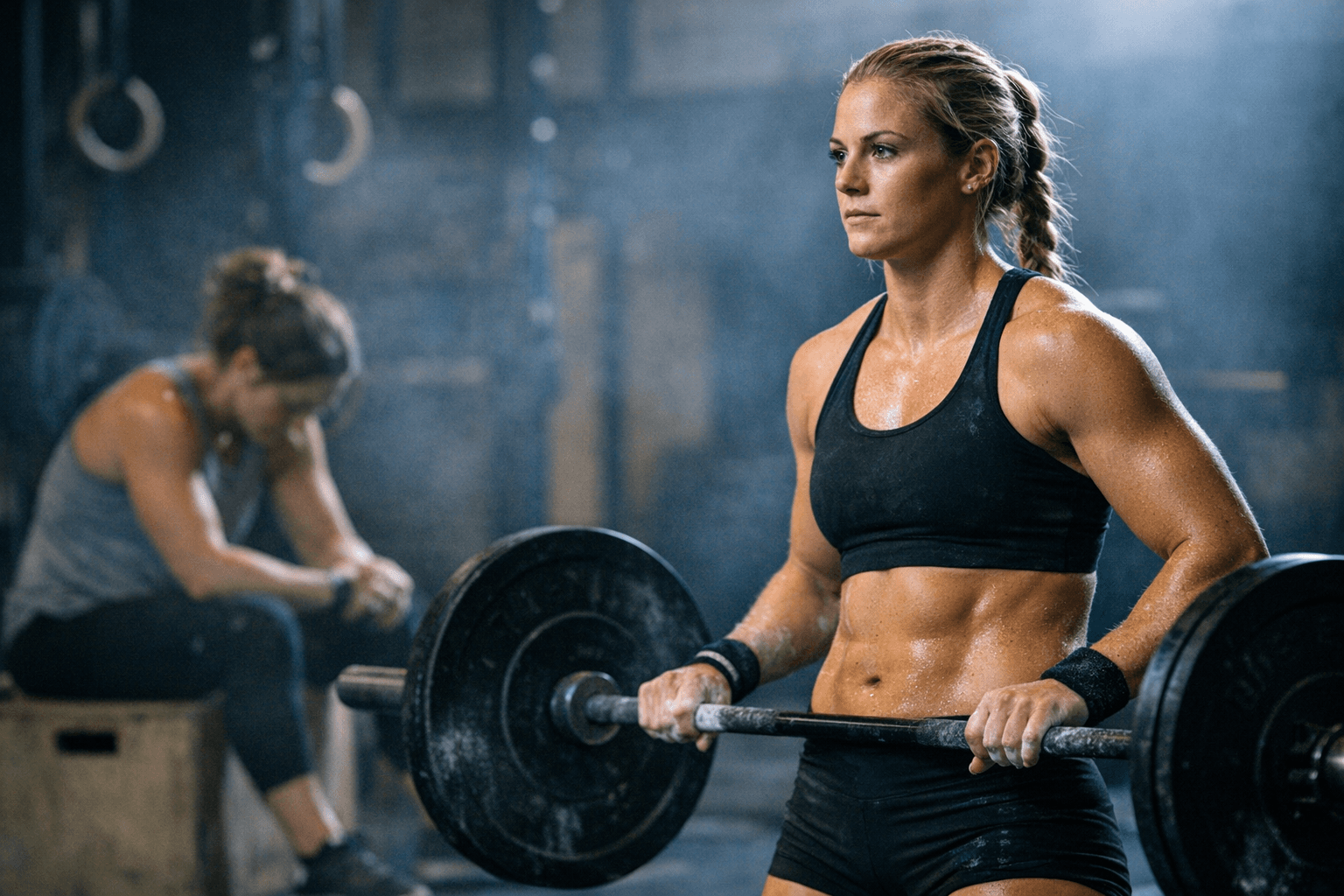
Start with regressions that preserve timing without stressing healing tissues: PVC pipe overhead snatch positions, empty‑bar muscle cleans from hang, and slow eccentric pulls. Use drills that isolate phases, e.g., tall snatch (no dip), hip hinge pulls, and muscle clean landings, until the athlete can consistently reproduce ideal mechanics for 3 sets of 5 reps. Consistent, low‑load motor control beats early heavy attempts every time.
6. phased load progression (percent‑based)
When the clinician clears loading, advance with a conservative percent scheme: 1) reconnection: 0–30% of pre‑injury working loads or 10–20 kg for novices for 1–2 weeks; 2) strength building: 30–60% for 2–3 weeks focusing on technique at higher speeds; 3) heavy but controlled: 60–80% for 2–4 weeks with limited sets and reps; 4) competition capacity: >80% only after repeated success with technique and power metrics. Use Rate of Perceived Exertion (RPE) alongside percentages, if the athlete reports compensatory pain or RPE spikes, drop 10–20% and troubleshoot form.
7. velocity and intent: reintroducing speed safely
Olympic lifts demand rate, so reintroduce velocity before absolute load. Work short clusters (1–3 reps) at submaximal weights with maximal intent; example: 6×1 power snatch at 40–50% with full recovery. Track bar speed with an app or linear encoder when available, if peak velocity drops 15–20% versus baseline, the athlete is fatiguing or compensating and you should reduce load and volume.
8. exercise choices by injury type
Modify lifts based on upper‑ vs lower‑extremity issues. After distal radius or wrist injuries, favor muscle‑clean or hook‑grip‑free variations (cross‑armed, straps for clean pulls) and prioritize pulling strength before catching heavy fronts. After shoulder repairs, prioritize hip‑dominant pulls, hang cleans without deep rack catches, and gradual overhead work. After knee/ACL issues, bias power variations (power snatch/clean) and delay deep squat snatch depth until single‑leg control and hop tests meet clinician benchmarks.
9. strength and accessory hierarchy
Rebuild the posterior chain and trunk before chasing PRs: heavy Romanian deadlifts, hip thrusts, and high‑bar squats (if tolerated) address the force demands for cleans and jerks. Upper‑body accessories, banded pull‑aparts, face pulls, and loaded carries, restore scapular control critical for safe snatches and jerk racks. Program these 2–3× per week with progressive overload independent from Olympic session volume.
10. return‑to‑lift testing battery
Before full return, run a simple battery: pain‑free technique test (3×1 full snatch at light load), single‑leg hop and triple hop symmetry within 10%, overhead stability in a dowel‑press test, and a 5RM clean or snatch derivative at <70% pre‑injury projected 1RM. Passing yields a conditional green light; failing any single test calls for targeted deficits work and re‑test in 7–14 days.
11. programming integration for CrossFit WODs
CrossFit demands lifting within metabolic load, progress WOD integration slowly. Start with short, low‑intensity WODs that include unloaded or submaximal lifts (e.g., 8–10 minutes AMRAP with PVC snatch holds or empty‑bar cleans). Only reintroduce heavy lifts into metcons after the athlete demonstrates multiple clean heavy sessions outside of metcon fatigue. Protect the repair by placing complex lifts at the beginning of a session and keeping rep schemes conservative (singles, doubles, or sets of 2–3).
12. monitoring, fatigue management, and load caps
Set weekly load caps and monitor for cumulative soreness, sleep, and RPE. For the first 6–8 weeks back, cap Olympic lifting volume to no more than 30–40 total heavy reps per week and separate high‑velocity days from high‑volume conditioning. If pain increases, drop weekly load by 20–30% and re‑assess the progression criteria.
13. coaching cues, common compensations and how to fix them
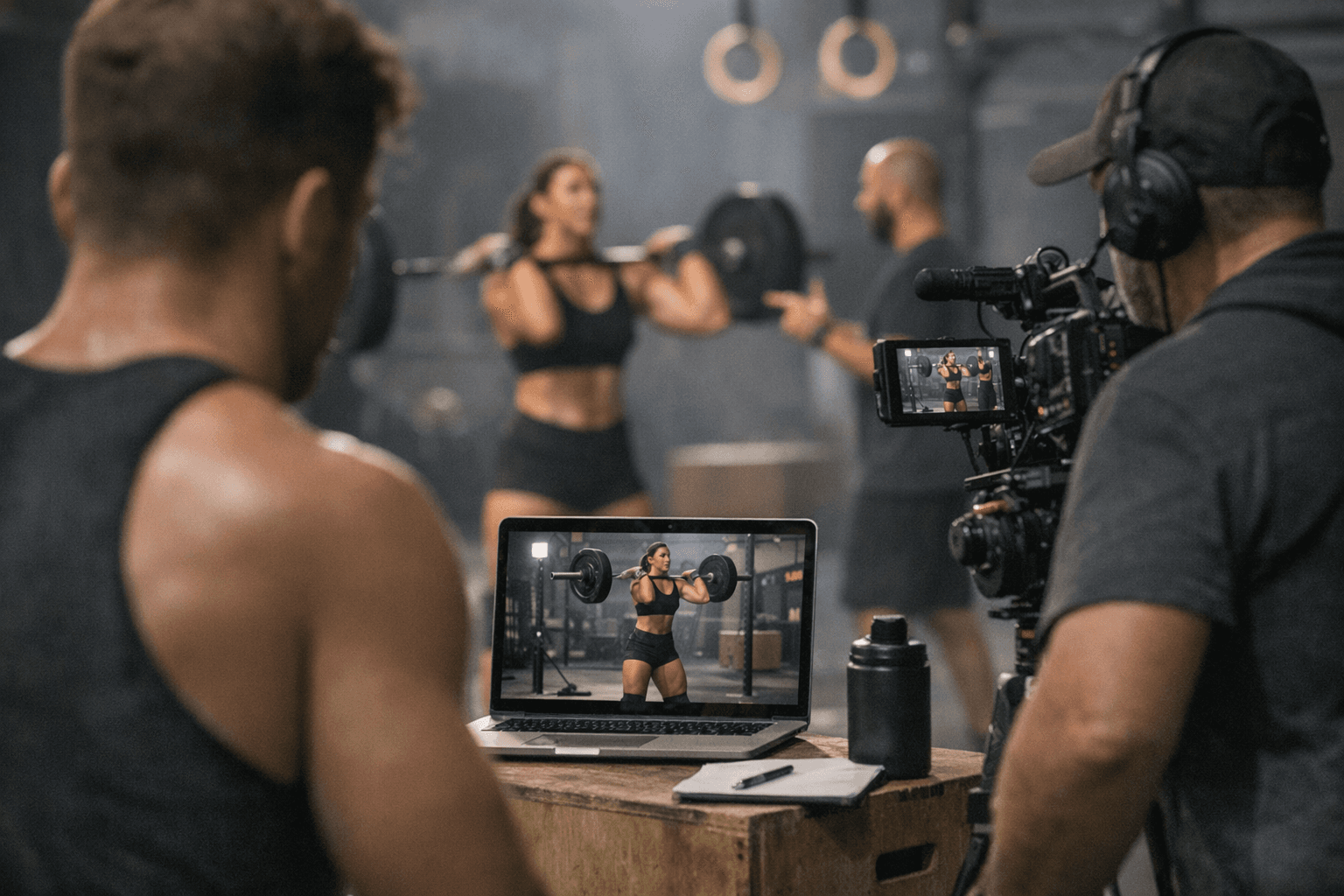
Prioritize objective cues: “bar tight to body” for cleans, “stand fast” on the jerk dip to protect knees, and “finish the pull” to avoid early arm bend that stresses shoulders. Watch for common compensations post‑injury: short first pull (guarding the wrist), early arm bend (protecting cuff), and excessive hip‑dominance (avoids weak quads). Correct with targeted regressions, pause cleans, tempo pulls, and banded distraction for shoulder reacquisition.
14. sample 8‑week progression template
Week 1–2: rehab mobility, motor control drills, PVC/empty bar technique 3×/week, accessory work 2×/week. Week 3–4: introduce light loads (20–40% projected), short clusters with intent, posterior chain heavy but controlled. Week 5–6: increase to 40–60%, add limited heavy singles/doubles, begin metcon integration with submax lifts. Week 7–8: 60–80% technical heavies, simulated competition days, full return if tests pass. Adjust week‑to‑week based on clinician criteria and athlete feedback.
15. red flags and when to stop the progression
Stop and re‑consult the clinician if there’s sharp joint pain with lifting, progressive swelling, loss of motor control that persists after deload, or a sudden drop in bar velocity accompanied by increased pain. These signs suggest tissue overload or reinjury risk, restoring volume or reverting to regressions is the safe move.
Conclusion Returning a CrossFit athlete to the snatch, clean & jerk and muscle‑clean variants after an upper‑ or lower‑extremity injury is a team sport: clinician clearance, coach discipline, and staged, measurable progressions win more often than heroic early loading. Use objective gates, conservative percent progressions, and speed‑first reps to rebuild performance without trading safety for quick wins, your athlete will be back to competitive lifts faster and with less risk of rework.
Know something we missed? Have a correction or additional information?
Submit a Tip