Abdala studio marks 28 years as Cuba’s music heritage hub
Abdala is using its 28th anniversary to push beyond recording, turning its Havana complex into a center for heritage, restoration, teaching and inclusion.

Estudios Abdala is marking 28 years with a bigger ambition than celebration. The Havana recording house is trying to function as a cultural hub, bringing together Cuban music genres, archival work and preservation alliances that stretch from Radio Habana Cuba to the Chilean embassy in Havana.
Founded on May 25, 1998, and owned by Cuba’s Ministry of Culture, Abdala already operates as more than a studio. Its services include recording, mastering, restoration, production and editing, and its catalog has long covered jazz, popular music, traditional music and Afro-Cuban music. That breadth matters because the studio has become a meeting point for artists and memory alike, tied to names such as Silvio Rodríguez, Pablo Milanés, Omara Portuondo, Beatriz Márquez and Los Van Van.
The project’s roots go back further. A Granma profile traced Abdala to a 1989 idea from Silvio Rodríguez with support from Fidel Castro, and said a major investment in 2019 restored the space to its early splendor. Now the studio is trying to turn that renewal into a working model for cultural infrastructure, one that keeps both recordings and archives alive.
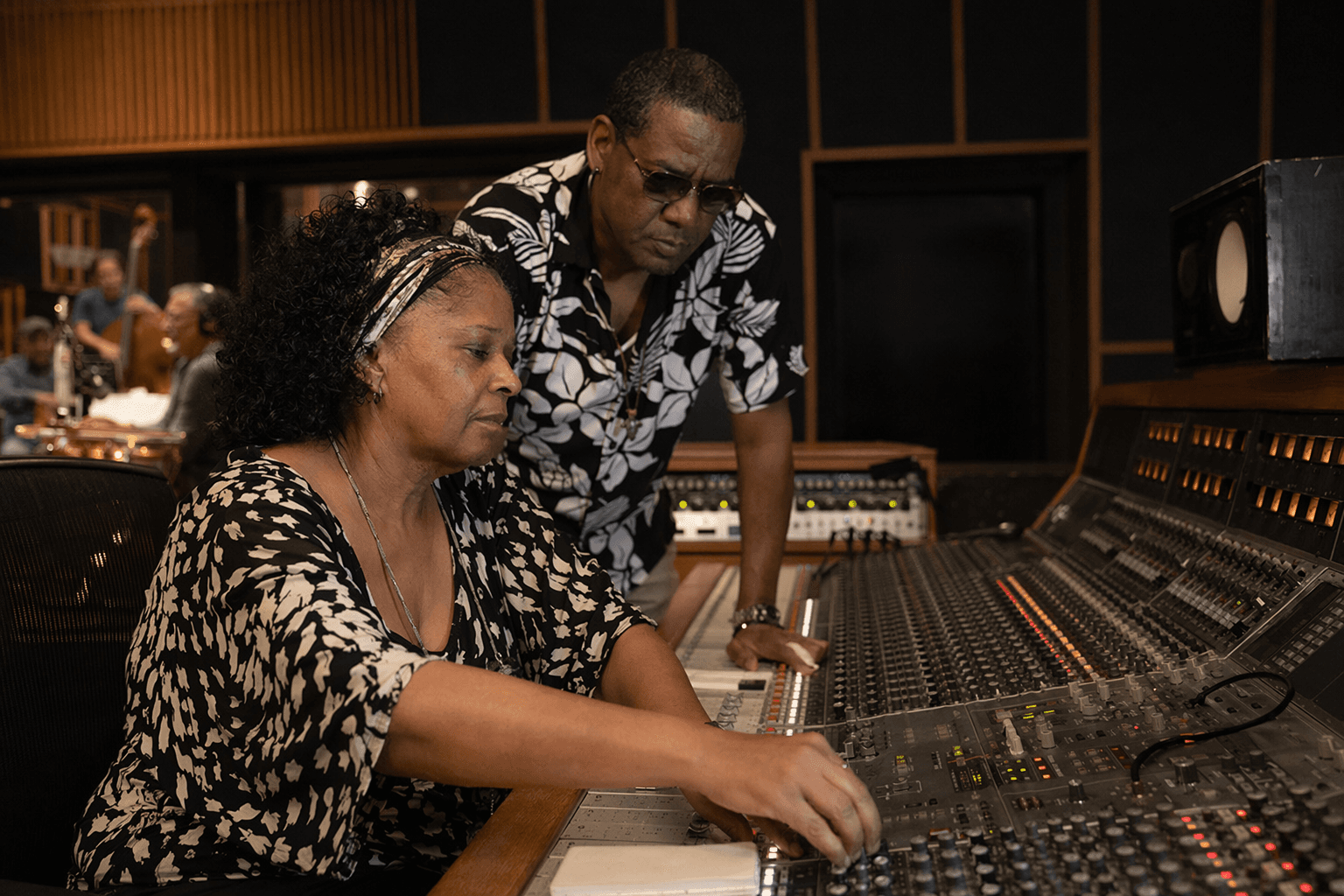
Orlando Pino, the studio manager, said Abdala is already restoring Fidel Castro speeches from the 1960s and 1970s together with Radio Habana Cuba, while also carrying out similar work with the Alejo Carpentier Foundation. The restoration effort is set to extend soon to the Chilean embassy in Havana so that speeches by Salvador Allende can be preserved as part of the same archival chain. That gives Abdala an international role as well as a Cuban one.
The studio is also preparing five new phonograms. Two will compile performances from the television program Cuerda Viva during 2025, and another release, Las tres M, will focus on the history of the Nueva Trova movement and its link to the late Jorge Gómez. Cuban television has described Cuerda Viva as a platform for alternative music that has passed more than 2,000 projects over its stage, with a festival held every March since 2005.
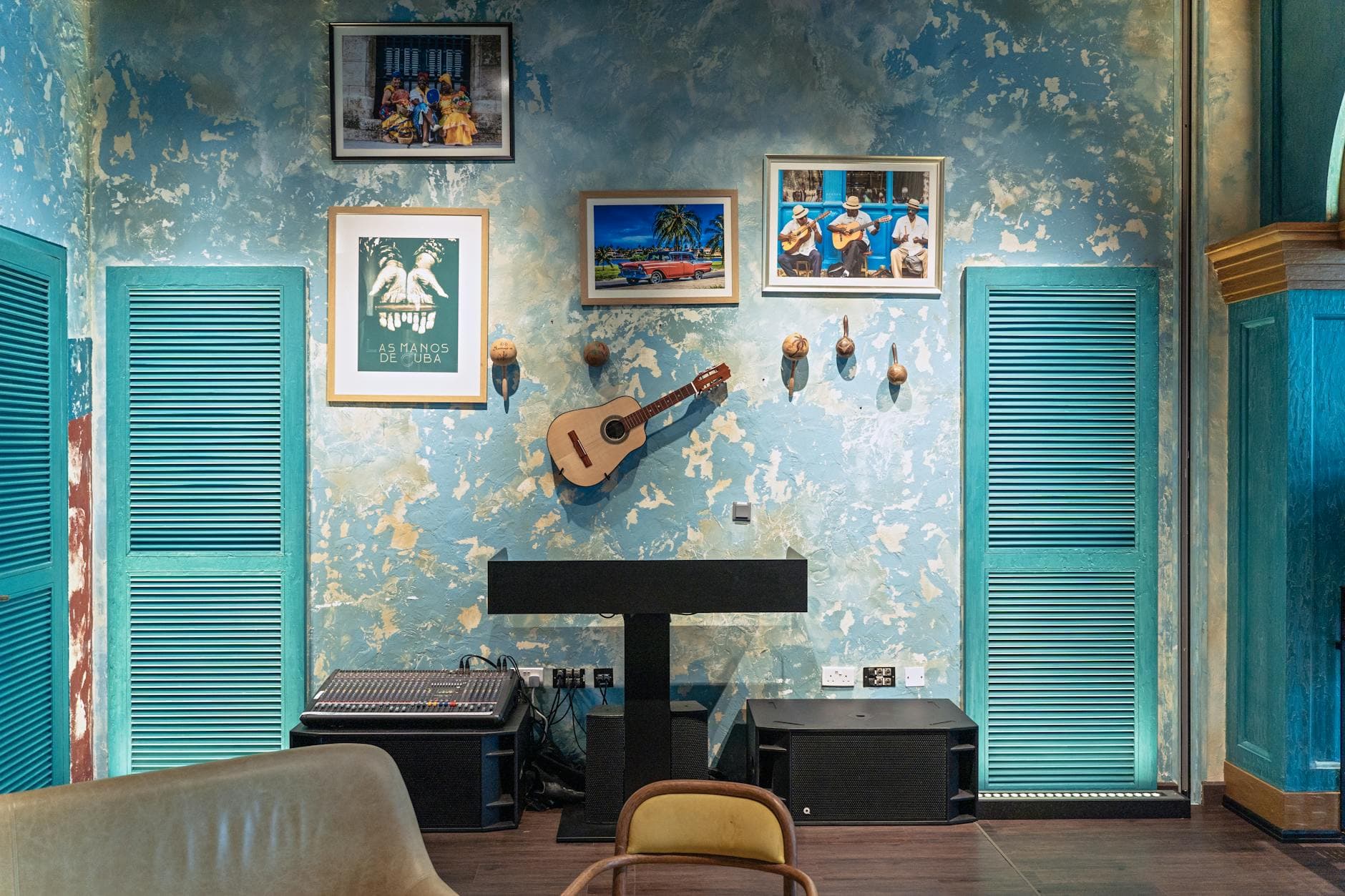
Abdala’s social reach is just as visible on Thursdays, when the studio offers free music classes for young people with intellectual disabilities. UNICEF says more than 33,000 children with disabilities attend special schools in Cuba, while about 11,000 study in regular education centers, including a group in which 49.2% have intellectual disabilities. The label also sells instruments made by Cuban luthiers, with proceeds supporting cultural schools across the country.
The anniversary program will gather those strands in a tight sequence. On May 22, Abdala will release the Cuerda Viva volumes, and on May 25 Beatriz Márquez will perform as the website is relaunched, closing the circle for a studio that now works as archive, classroom and production house at once.
Know something we missed? Have a correction or additional information?
Submit a Tip