Havana Chinese-language contest spotlights Cuba-China cultural ties
At Havana’s Puente Chino final, 10 students turned Chinese study into a path to China, with Elizabeth Zamorano and Cindy Piñón taking the top spots.

Chinese study turned into a high-stakes stage at Hotel Habana Libre’s Salón Solidaridad, where 10 participants in Havana’s Puente Chino final faced thematic speeches, question rounds and artistic performances on May 15. Elizabeth Zamorano won the university category and Cindy Piñón won the secondary-school category, and both were set to represent Cuba in the competition’s international phase in China.
The contest was backed by the Chinese embassy in Havana and the Chinese Ministry of Education’s International Cooperation Center for Language Teaching, and it was organized by the Confucius Institute at the University of Havana. Han Lixin, the embassy’s counselor for culture, education and technology, framed the event as part of a relationship that has endured across decades, saying the cultural and educational ties between Cuba and China have lasted 60 years. She also described Chinese as “an important public good offered by China to the world and a bridge between peoples.”
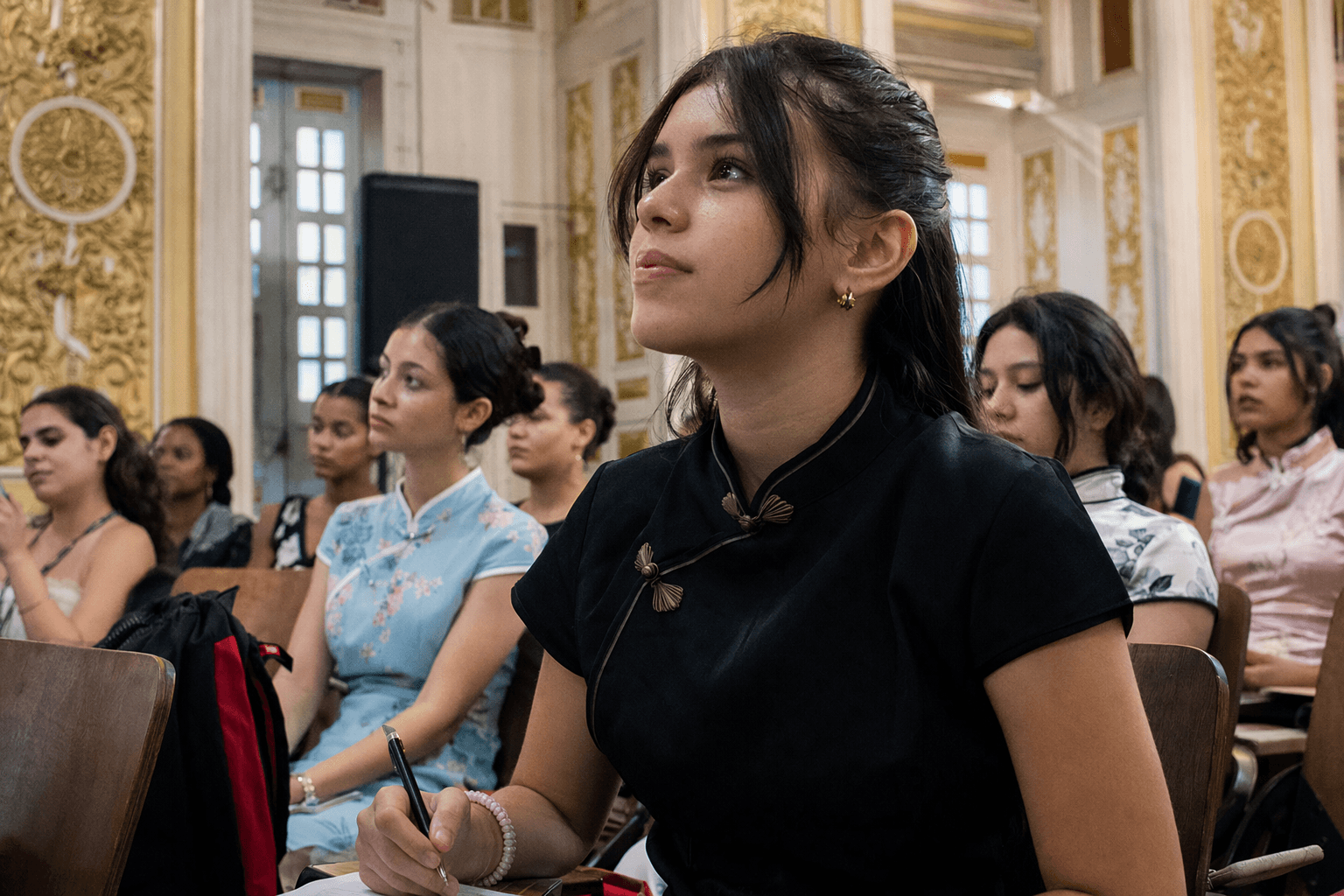
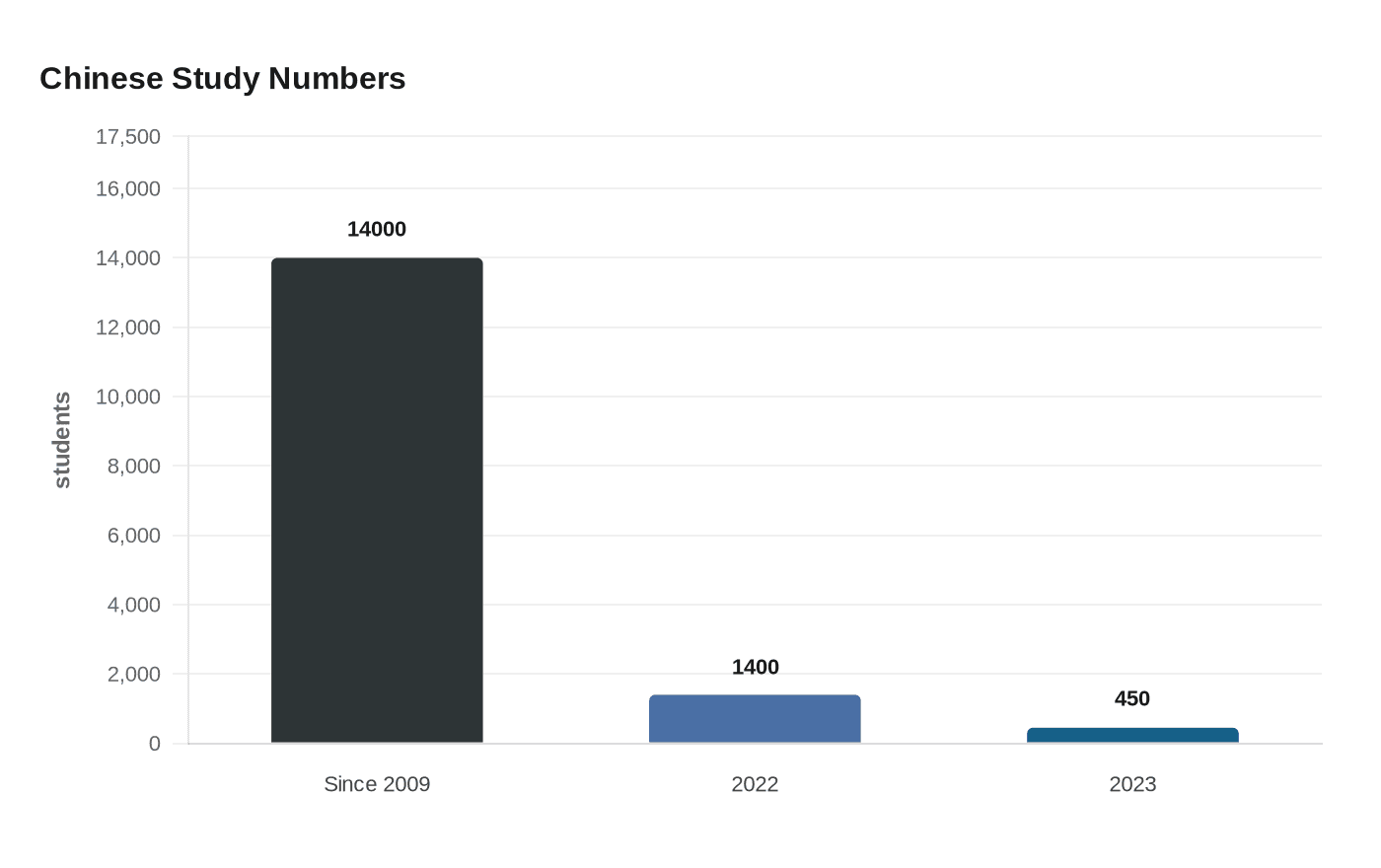
That bridge has been built in classrooms as much as on contest stages. Han said the Confucius Institute at the University of Havana has trained more than 14,000 Cuban students since 2009, a figure that helps explain why Puente Chino now carries real weight for families, schools and young people looking beyond the island. The contest was not simply a speech competition. It tested language, culture and traditions in a format that rewarded fluency, memory and performance, turning the final into part exam, part showcase and part public signal of where Chinese study can lead.
Interest has also been broadening. In 2023, more than 450 students were enrolled at the Havana Confucius Institute at various levels, about 1,400 Cubans studied there in 2022, and nearly two dozen completed the advanced course that year. Chinese classes were also reaching beyond language students into university schools linked to law, tourism and international relations, along with younger learners nearby. That spread helps explain why Chinese has become a practical option for Cubans who see it as useful for professional prospects, cultural access and long-term work.
The institute itself has deep roots in Havana. It was inaugurated on November 30, 2009, and later opened a new headquarters in Havana’s Chinatown on October 14, 2015, with support from Hanban, now Confucius Institute Headquarters, and the Cuban government. With China and Cuba marking 65 years of diplomatic relations in 2025, the Havana final landed as more than a contest result. It was another sign that the language classroom has become one of the most visible places where the Cuba-China relationship is being lived day to day.
Know something we missed? Have a correction or additional information?
Submit a Tip