Caritas channels US aid to eastern Cuba, a year after Hurricane Melissa
A modified bicycle, a bag of rice and chlorine tablets show how little has changed in Hongolosongo. Caritas has pushed most of the first $3 million in U.S. aid into eastern Cuba.
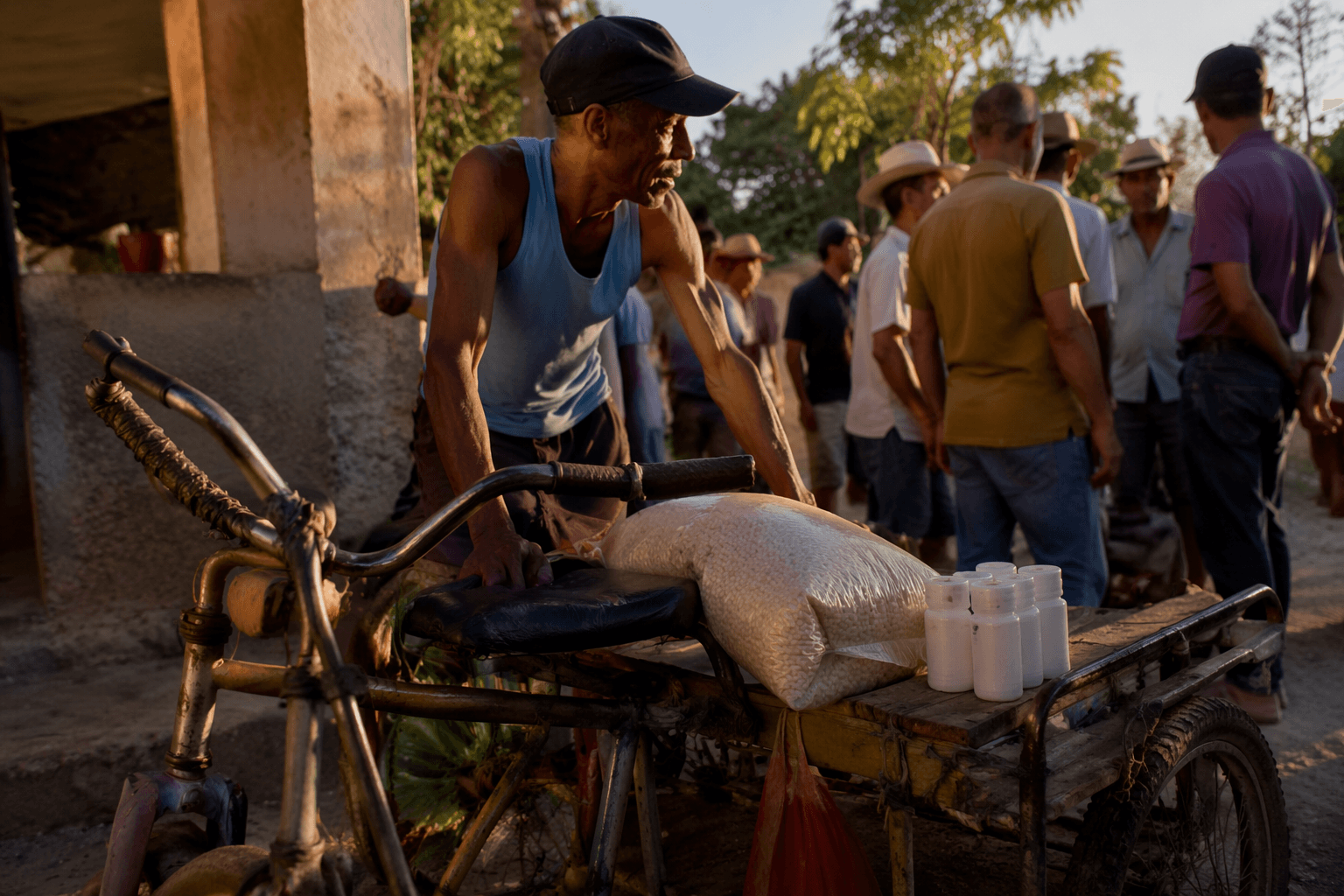
Caritas has been delivering U.S.-funded relief packages across eastern Cuba, and in Hongolosongo near El Cobre, one recipient rode home on a modified bicycle that doubles as a wheelchair after receiving rice, beans, oil, canned goods, hygiene products and chlorine tablets.
Melissa made landfall in eastern Cuba on October 29, 2025, in Santiago de Cuba province as a Category 3 storm with sustained winds of about 195 kph, or 125 mph. ReliefWeb put the number of people affected at close to 2.2 million. In Hongolosongo, a community of about 130 residents, fewer than half the homes are linked to the electrical grid and only a minority have running water, while many roofs remain unrepaired.
By May 8, 2026, Caritas had executed 82% of the first $3 million U.S. donation, reaching about 8,800 families across five eastern provinces. That tranche is part of a larger $9 million pledge made at the start of the year, and the next wave of aid will move through the Catholic Church’s network.
The United States is using Caritas as the delivery channel because it does not want to hand aid directly to the Cuban government. The U.S. State Department said in May that it was prepared to provide an additional $100 million in direct assistance to Cubans, coordinated with the Catholic Church and other independent humanitarian organizations. The U.S. Embassy in Cuba later said that package would be split between $60 million for the Catholic Church and $40 million for trusted NGOs. Havana has not confirmed acceptance, and the government has said it is still reviewing the offer.
Caritas has paired some deliveries with medical consultations, haircuts and activities for children. Fuel shortages and hard roads have forced crews to move supplies by ox cart in some places.
This article was produced by Prism’s automated news system from verified source data, official records, and press releases, then run through automated quality and moderation checks before publishing. The system is built and supervised by the people who set the standards it runs under. Read our full AI policy.
Did this article answer your question?