CMA CGM, Hapag-Lloyd suspend Cuba bookings after U.S. sanctions order
Two of Cuba’s biggest container lines froze bookings as U.S. sanctions risk spread, threatening imports, inventories, and prices on an already strained island.
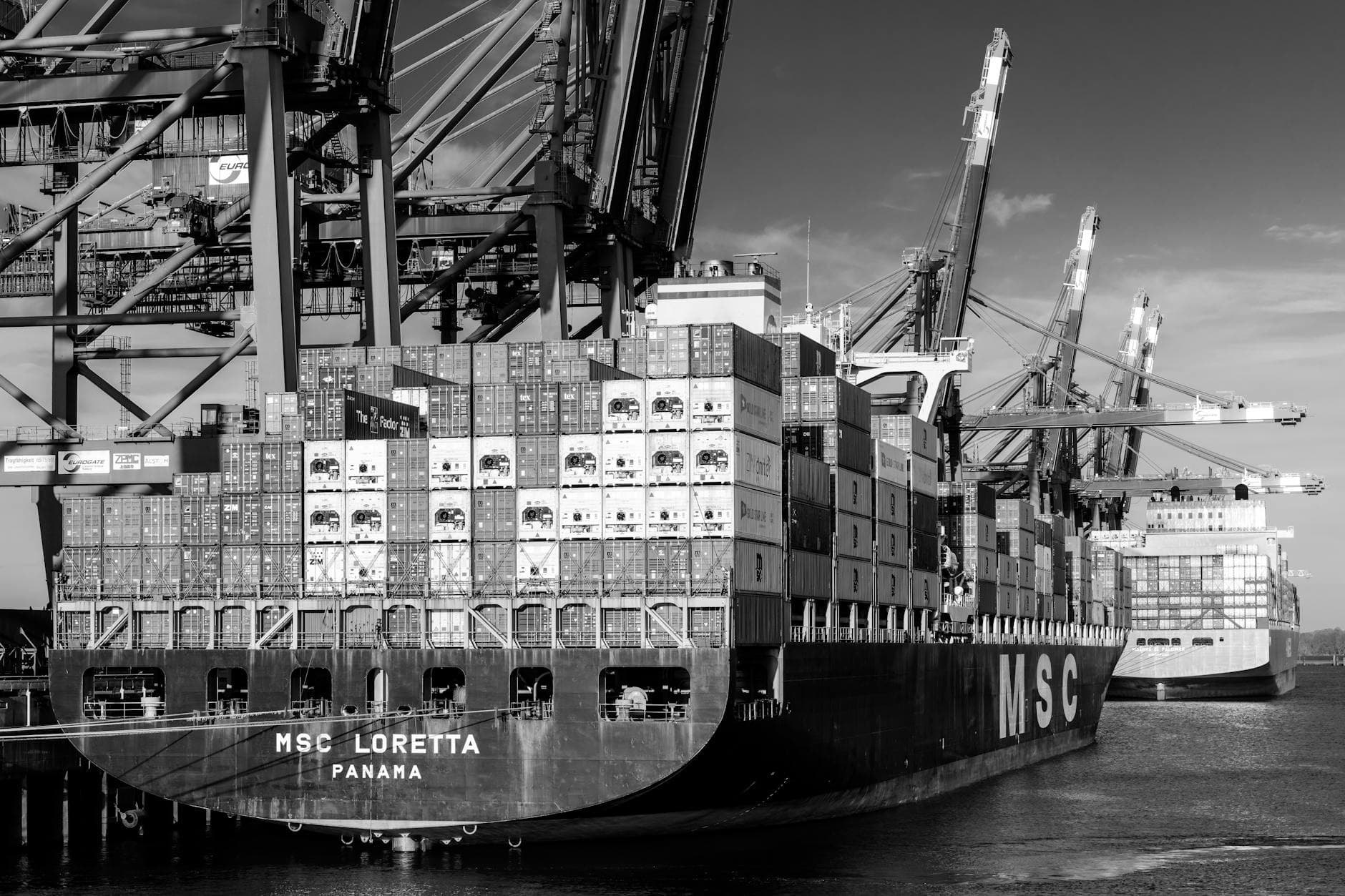
Cuba’s import pipeline took another hard hit as CMA CGM and Hapag-Lloyd suspended all bookings to and from the island until further notice, a move that could disrupt as much as 60 percent of Cuba’s shipping traffic by volume. The decision came after Executive Order 14404, signed by Donald Trump on May 1, widened sanctions risk for foreign firms doing Cuba-related business.
The immediate problem is not abstract. When two major carriers stop taking bookings, the strain shows up fast in ports, warehouses, and store shelves. Cargo from China is likely to be hit hardest, with traffic tied to Northern Europe and the Mediterranean also exposed. For Cuban importers already juggling chronic shortages, the loss of booking channels means longer waits for food, spare parts, and the basic consumer goods that keep businesses running.
The White House said the May 1 order imposed sanctions on people responsible for repression in Cuba and for threats to U.S. national security and foreign policy. The Office of Foreign Assets Control said the order took additional steps under the Cuba emergency declared in Executive Order 14380 on January 29, 2026. On May 7, the State Department designated GAESA under the new order, targeting the military-linked conglomerate for operating in the financial services sector of the Cuban economy.
The shipping freeze has already begun to reshape foreign commercial involvement on the island. Sherritt International said the expanded sanctions forced changes to its Cuba joint ventures, and several board members, including Brian Imrie, Richard Moat and Brett Richards, resigned in May. That is the same pattern Cuba has seen before: once compliance risk rises, companies pull back quickly, and the island pays the price in slower imports and thinner inventories.
The timing is especially rough because Cuba’s fuel system is already under heavy pressure. Separate reporting in May said oil and diesel supplies had run dry, while blackouts triggered protests in Havana. Add a shipping squeeze on top of that, and the effects can spread from the port to the pantry. The U.S. embargo on Cuba has been in place since February 1962, but the 2026 order has pushed the pressure further, reaching beyond American firms and into the foreign carriers that move the goods Cuba still depends on.
This article was produced by Prism’s automated news system from verified source data, official records, and press releases, then run through automated quality and moderation checks before publishing. The system is built and supervised by the people who set the standards it runs under. Read our full AI policy.
Did this article answer your question?