Cuba adds special summer trains amid severe transport shortages
Special summer trains will add a few departures, but regular service is still down to one trip every 16 days and tickets remain rationed by provincial commissions.
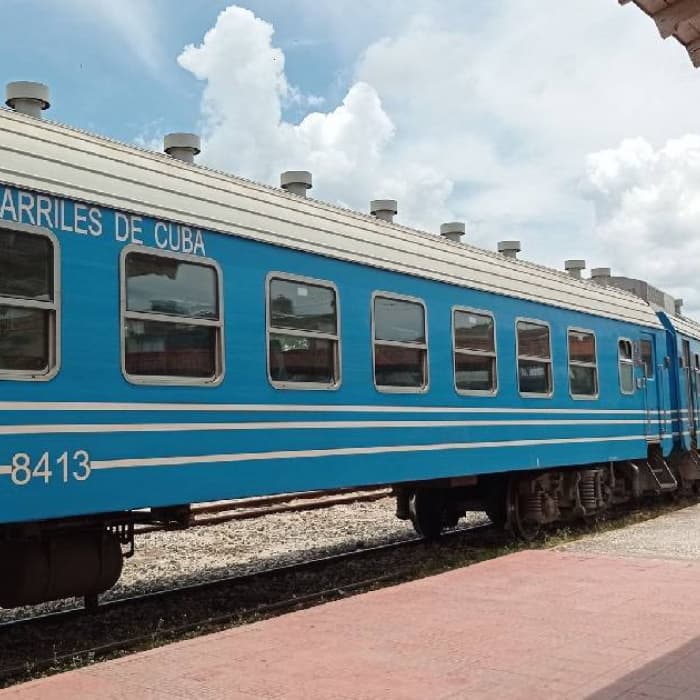
Regular trains now operate only once every 16 days on some routes, and Cuba’s state railway operator will add special summer trains to a network already running at emergency levels. Jorge Oliva Yero, director of National Passenger Trains, said the added service was meant to give teachers, students, construction workers and patients a few more options, not restore normal mobility.
The Ministry of Transport tightened national and interprovincial travel controls on June 18, cutting bus, rail and maritime service and putting the Viajando app under a new allocation system. Open sales disappeared. Provincial commissions took over seat assignments, with priority given to medical appointments, hospital discharges, funerals and returns to a person’s place of origin. Passengers whose bus, train or ferry trips were canceled could request a full refund within 30 days of the ticket date.
Trenes Nacionales de Pasajeros has been operating in emergency mode since February 2026, when only 63% of planned railcars were available. In May, a Holguín-to-Havana trip took 27 hours. On June 3, train number 13 derailed in Omaja, Las Tunas, with about 900 passengers aboard and no injuries. Three days later, another passenger train was stranded on the tracks.
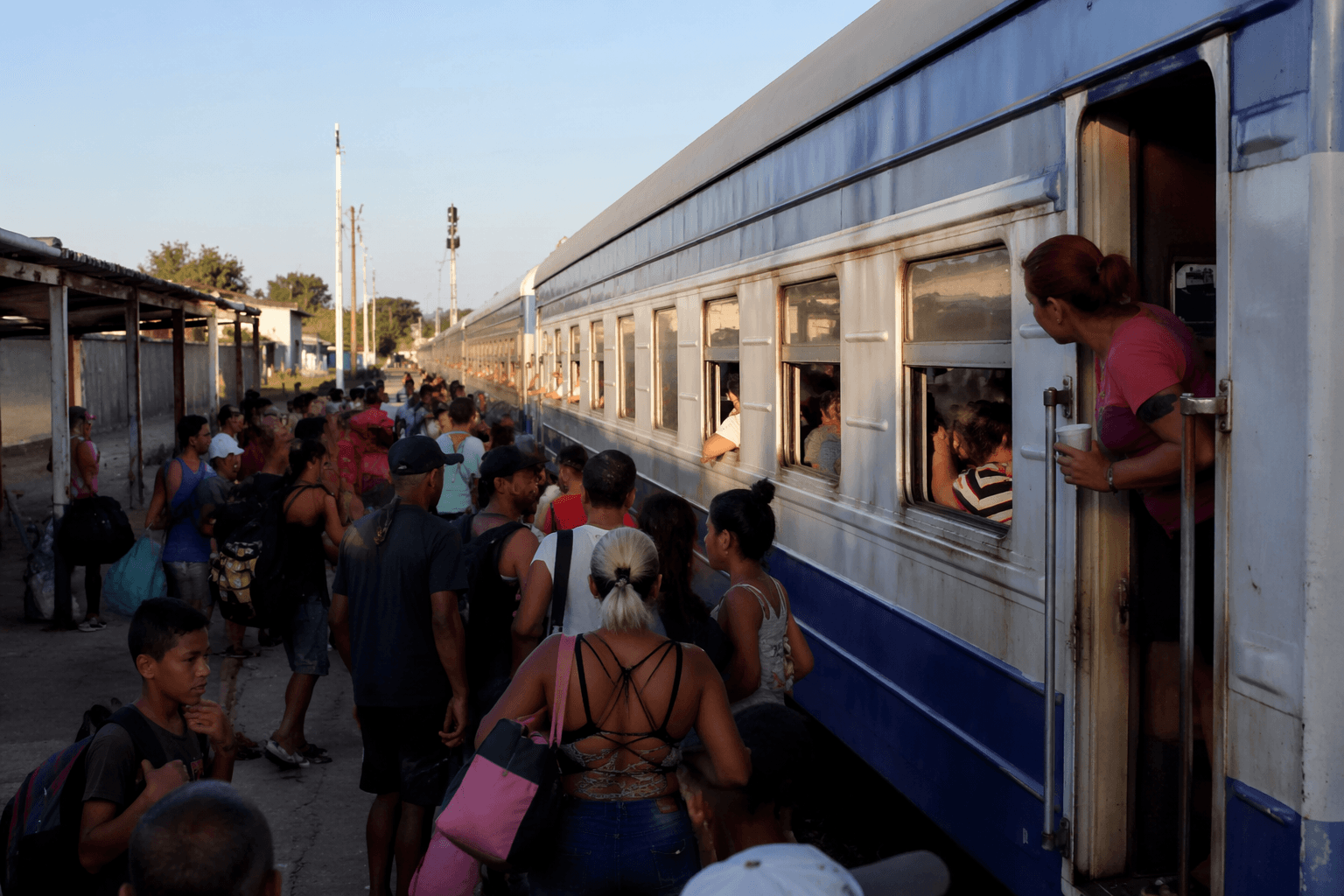
Oliva Yero said the priority lists would favor teachers and students from the eastern provinces who work or study in Havana, construction workers returning to their home provinces, and patients plus family members traveling for medical reasons. About 80% of the seats on the return journeys are still expected to be taken by ordinary passengers, even when the departure was organized around institutional needs.
This article was produced by Prism’s automated news system from verified source data, official records, and press releases, then run through automated quality and moderation checks before publishing. The system is built and supervised by the people who set the standards it runs under. Read our full AI policy.
Did this article answer your question?