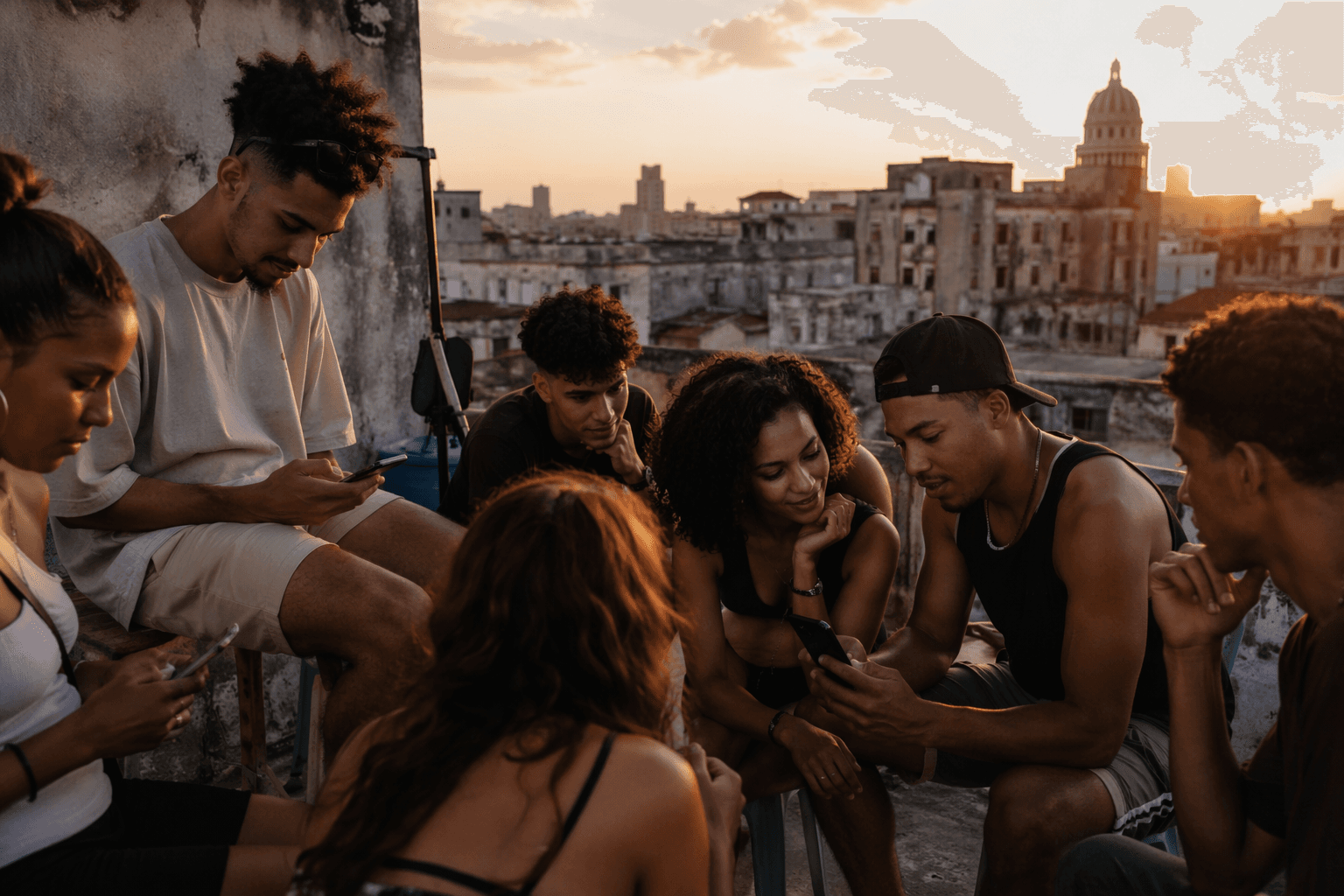
Cuba creates armed migration police with broad detention powers
Cuba’s new armed Migration Police can detain, search and control people in streets, hotels and workplaces, with most rules set to kick in on November 1.
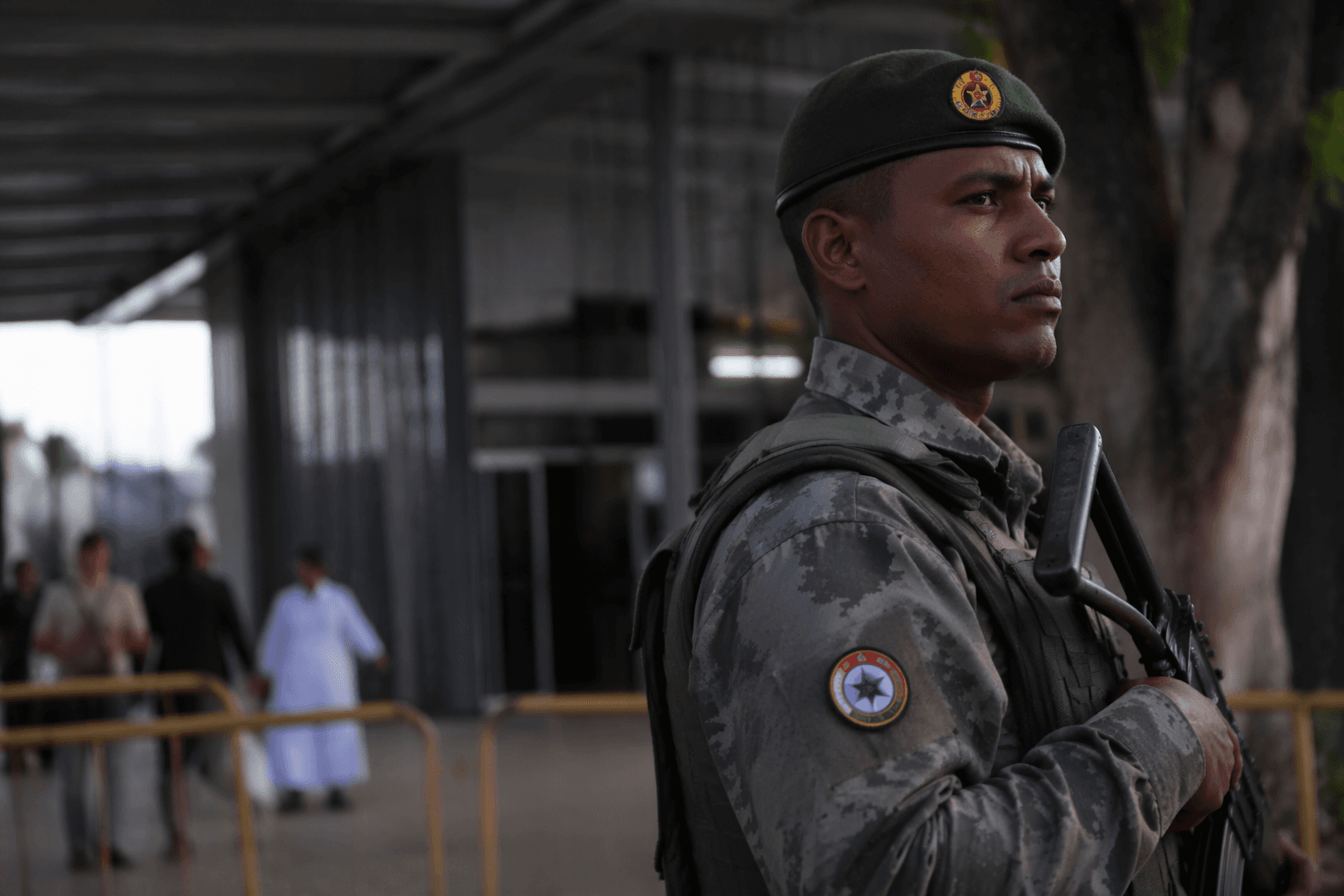
Cuba has created a new armed Migration Police under the Interior Ministry, giving it national jurisdiction and broad powers to detain, search and control citizens and foreigners in public spaces, hotels and workplaces. The force is part of a sweeping migration overhaul that was approved by the National Assembly in July 2024 and published in the Official Gazette of Cuba on May 5, 2026.
Most of the new framework enters into force after a 180-day countdown from publication, which puts the main start date on November 1, 2026. A separate decree-law on investors and business-related migration status took effect immediately, opening a faster lane for Cuban emigrants who want to work or invest on the island.
The package covers Laws 171, 172 and 173 on migration, citizenship and foreigners. It expands the Immigration Law from 25 articles to 170, the Aliens Law from 25 to 91, and stretches the regulations to hundreds of articles after consultations with 37 state entities. Mario Méndez Mayedo said the overhaul is meant to modernize the system, reflect the interests of Cubans at home and abroad, and create clearer rules for diaspora participation in the island’s economy.
For Cubans, the new standard for effective migratory residence is spending more than 180 days in Cuba in the previous year, or proving ties through family, work, property, tax status, bank accounts or investment. The old 24-month limit on staying abroad disappeared, but the new system leaves wide discretion with the Interior Ministry over who counts as a resident.
Cubalex says the reform deepens political control by centralizing migration authority, legalizing territorial exclusion practices, and giving the state another legal tool to push opponents, activists and journalists out of Havana and back to their home provinces.

The most obvious pressure points are hotels, workplaces and street checks, where Cubans, tourists and returnees could now face searches, detention and movement controls tied to migration status. Human Rights Watch says the government continues to use arbitrary detention to repress dissent.
This article was produced by Prism’s automated news system from verified source data, official records, and press releases, then run through automated quality and moderation checks before publishing. The system is built and supervised by the people who set the standards it runs under. Read our full AI policy.
Did this article answer your question?