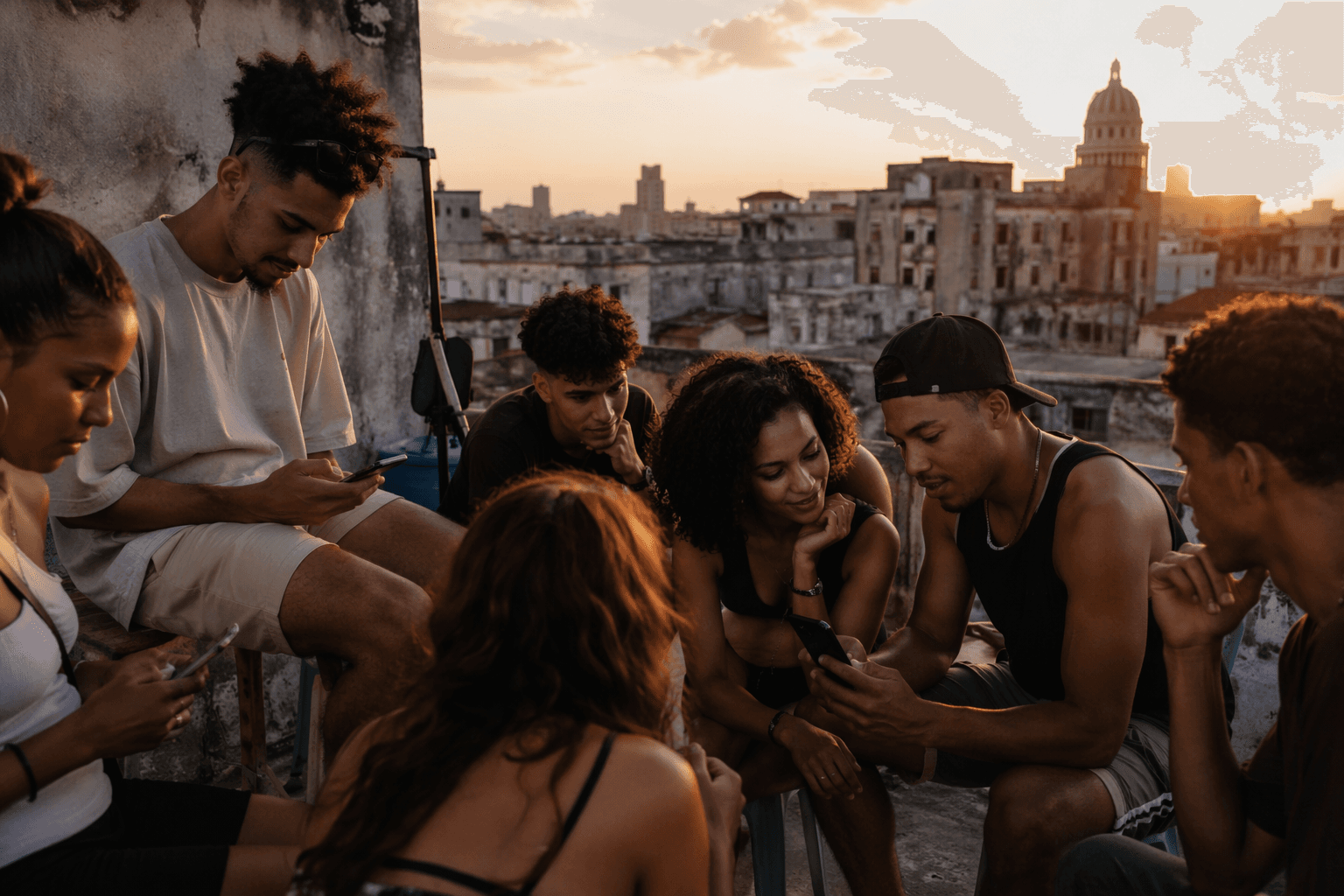
Cuba crisis turns churches into aid channels and diplomatic intermediaries
Churches in Cuba are moving food, medicine and counseling while U.S. diplomats court them as trusted intermediaries. Blackouts and shortages have made them indispensable.
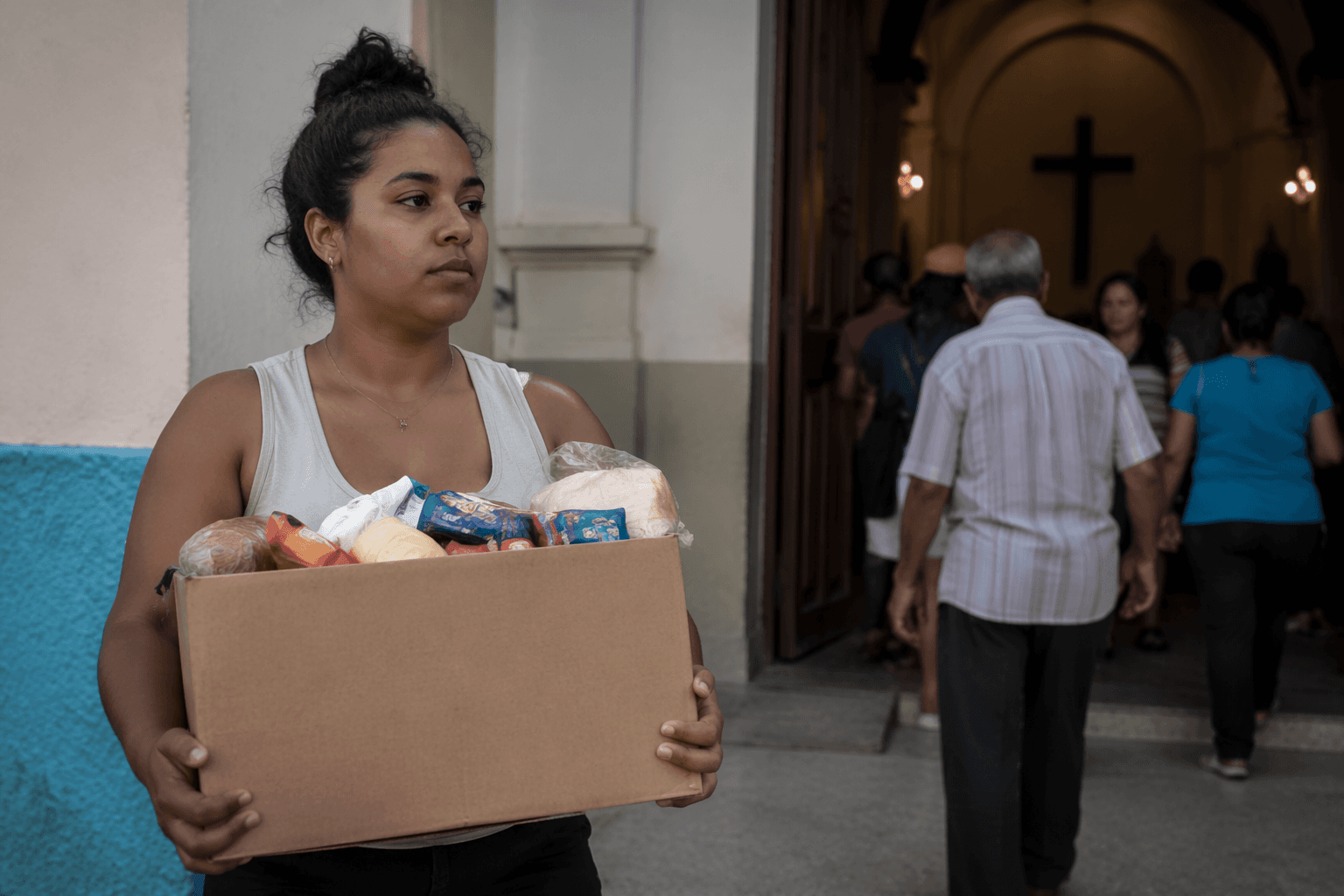
Mike Hammer, the top U.S. diplomat in Havana, has been meeting with Catholic bishops, a Catholic priest known for criticizing the Cuban government, a Methodist bishop and members of the Alliance of Evangelical Churches in Cuba as the island’s crisis pushes faith groups deeper into daily survival work and quiet diplomacy.
Those contacts fit an American approach that treats religious networks as one of the few channels Cubans still trust when state institutions are distrusted or simply do not work. In practice, that means churches are not just taking on food distribution and pastoral care. They are also becoming places where aid can move, where information can travel and where Washington can test lines of communication that official ministries no longer reliably provide.
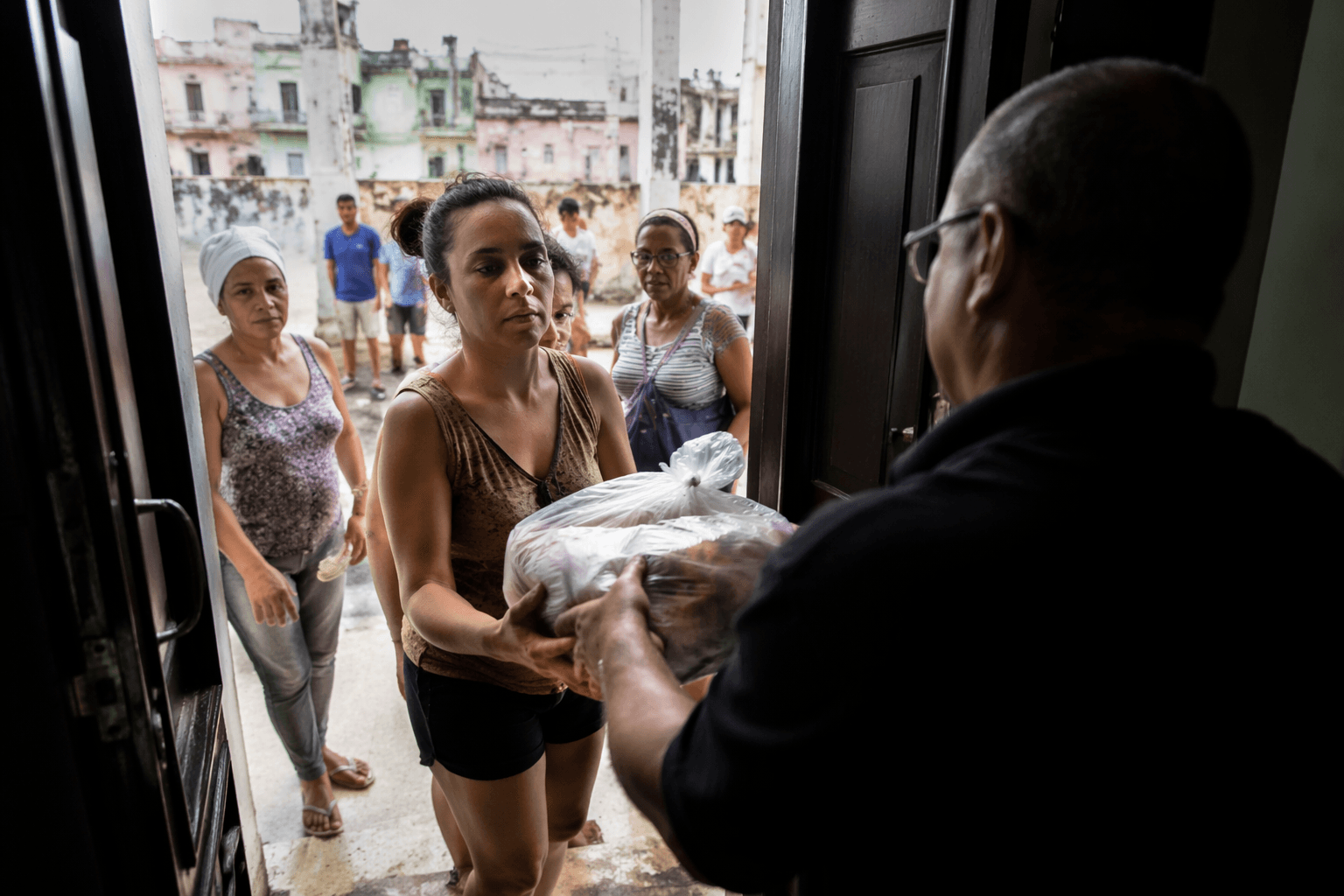
The pressure on that system is visible in Matanzas, where Rita María García Morris of the Christian Center for Reflection and Dialogue said despair has become extreme and her staff is being overwhelmed by suicide and mental health cases. Psychologists are working at night by phone and still “cannot keep up,” she said, while blackouts and spoiled food have turned daily life into a scramble to preserve the basics.
García Morris also described a medical crisis that cut straight through the logic of island life. She said she had to travel to the Dominican Republic after developing diabetic ketoacidosis because she could not keep insulin refrigerated in Cuba. That kind of breakdown is exactly where church networks have found themselves filling the gap, not as a substitute for the state but as one of the only systems still able to respond quickly when electricity fails and medicine disappears.
Even Cuban state media has acknowledged the scale of the collapse. It has said childhood cancer survival has fallen sharply since the oil blockade began and that supplies of essential medicines remain far below normal. For church leaders, that means the work is no longer limited to charity drives or prayer circles. It is moving into the more fragile territory of logistics, credibility and access.
That is why the faith sector now sits near the center of Cuba’s humanitarian and diplomatic fault lines. As food, insulin and basic medicines move through church-linked channels, those same institutions are becoming one of the few credible conduits connecting Cuban neighborhoods, foreign donors and U.S. policymakers, exactly the role Havana can least afford to ignore.
This article was produced by Prism’s automated news system from verified source data, official records, and press releases, then run through automated quality and moderation checks before publishing. The system is built and supervised by the people who set the standards it runs under. Read our full AI policy.
Did this article answer your question?