Cuba customs seizes Starlink antennas in recurring Miami shipments
Customs has intercepted four Miami shipments of Starlink gear at Cienfuegos, turning a cargo case into a bigger fight over who controls Cuba’s internet.
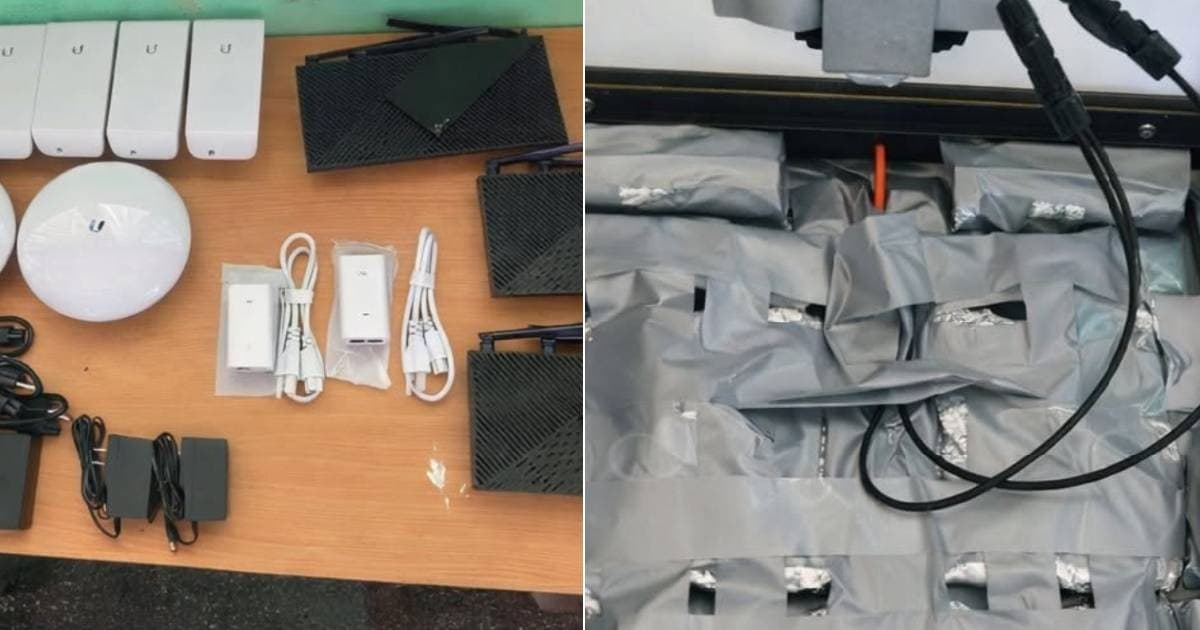
Cuban customs is treating Starlink less like a parcel issue and more like a challenge to state control of the internet. At Cienfuegos airport, officials said they seized four shipments in 2026, all sent from Miami and all declared for addresses in Artemisa, Holguín and Las Tunas.
The dates tell the story of a recurring crackdown, not a one-off catch. The reported interceptions came on March 28, May 16, May 23 and June 2, with the antennas hidden in ordinary cargo that was supposed to look harmless: boxes of monitors, a single monitor, a welding machine and a sound system. Radiographic scanners reportedly exposed the antennas before the shipments could move into the country.
What made the seizures land so hard was the language around them. The case was publicized by an official Facebook profile linked to the Interior Ministry, a page with more than 22,000 followers, and the post cast the antennas as more than communications hardware. It framed them as potential military tools and wrapped the seizures in the language of sovereignty and defense, a signal that Havana sees independent connectivity as a political threat, not just an import rule violation.
That stance lands in a country where the demand for alternatives is obvious. Cuba’s national electric grid collapsed on March 16, 2026, leaving around 10 million people without power, a reminder of how fragile the island’s connectivity can be when the grid and telecom backbone buckle at the same time. In that environment, satellite internet is attractive precisely because it can bypass the state-controlled system that users rely on and resent in equal measure.
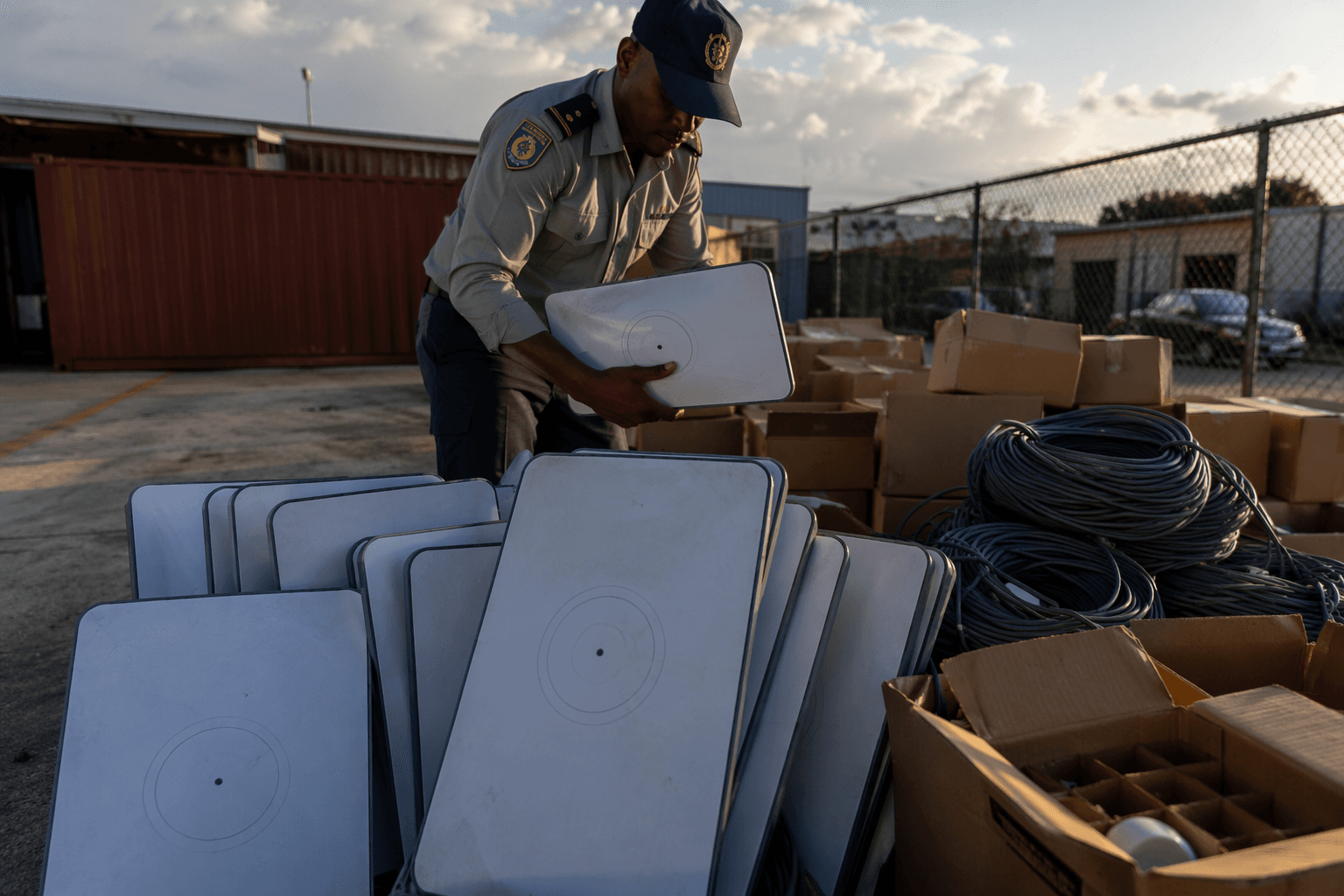
The legal screws also tightened in May. Cuba’s Ministry of Communications published Resolutions 1/2026 and 2/2026 in Extraordinary Official Gazette No. 66 on May 21, sharpening import controls, technical authorization and homologation requirements for telecommunications and ICT equipment. The message is plain enough: unauthorized gear can be confiscated, and it can also bring criminal consequences under Cuban law.
This is not the first warning shot. In April 2025, customs said it seized about 20 Starlink units at José Martí International Airport in Havana, and Wiliam Pérez González had already warned that the devices violated communications rules and threatened the radio spectrum. The Cienfuegos seizures show that Cuba is still drawing a hard line, and that line now runs straight through Miami cargo, airport scanners and any attempt to slip uncensored connectivity past the border.
This article was produced by Prism’s automated news system from verified source data, official records, and press releases, then run through automated quality and moderation checks before publishing. The system is built and supervised by the people who set the standards it runs under. Read our full AI policy.
Did this article answer your question?