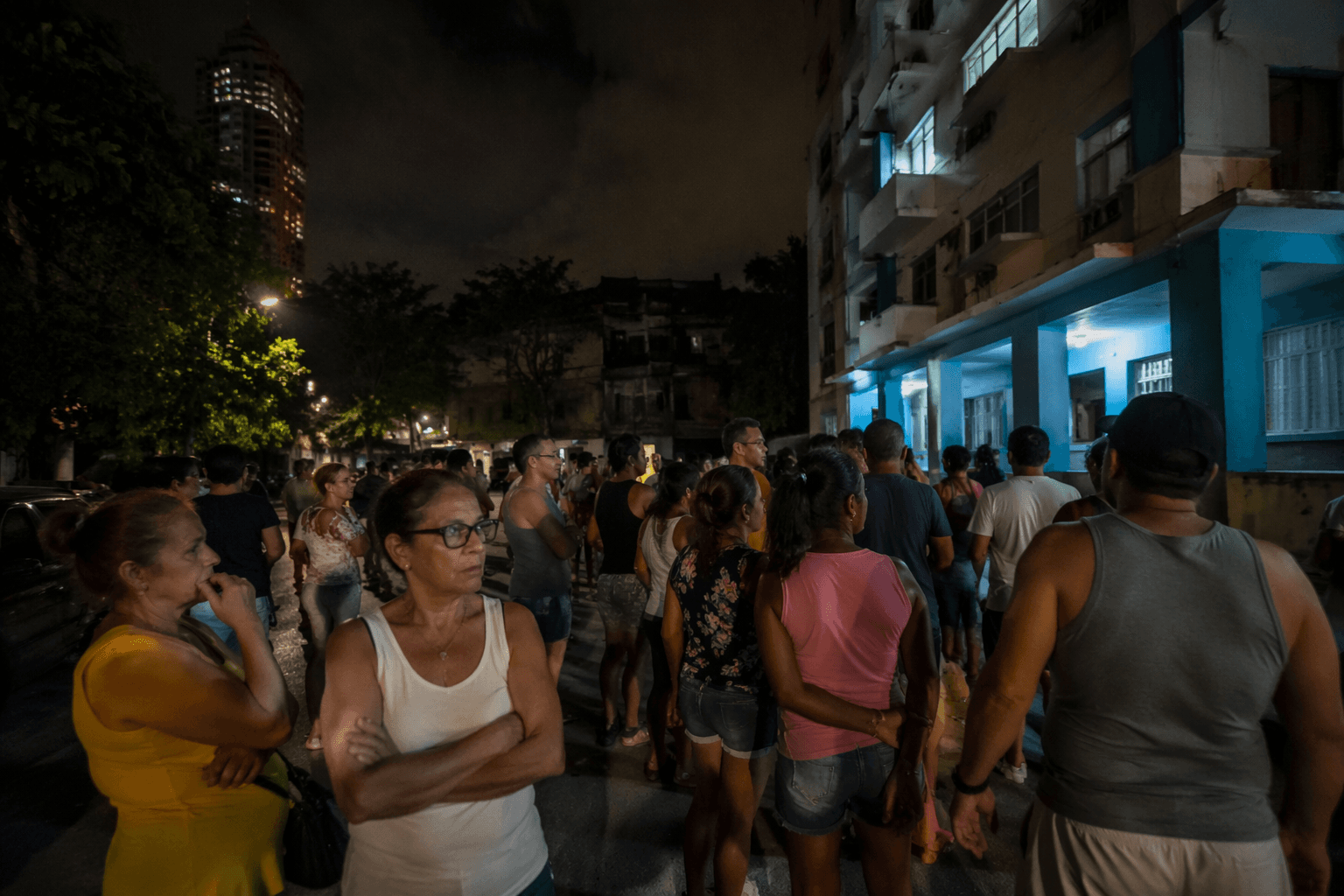
Cuba distributes donated milk from Mexico and Uruguay amid shortages
A first 10.4 tons of powdered milk reached 52 Havana distribution points, but it is already earmarked for just 264,000 children, pregnant women and chronic-care patients.

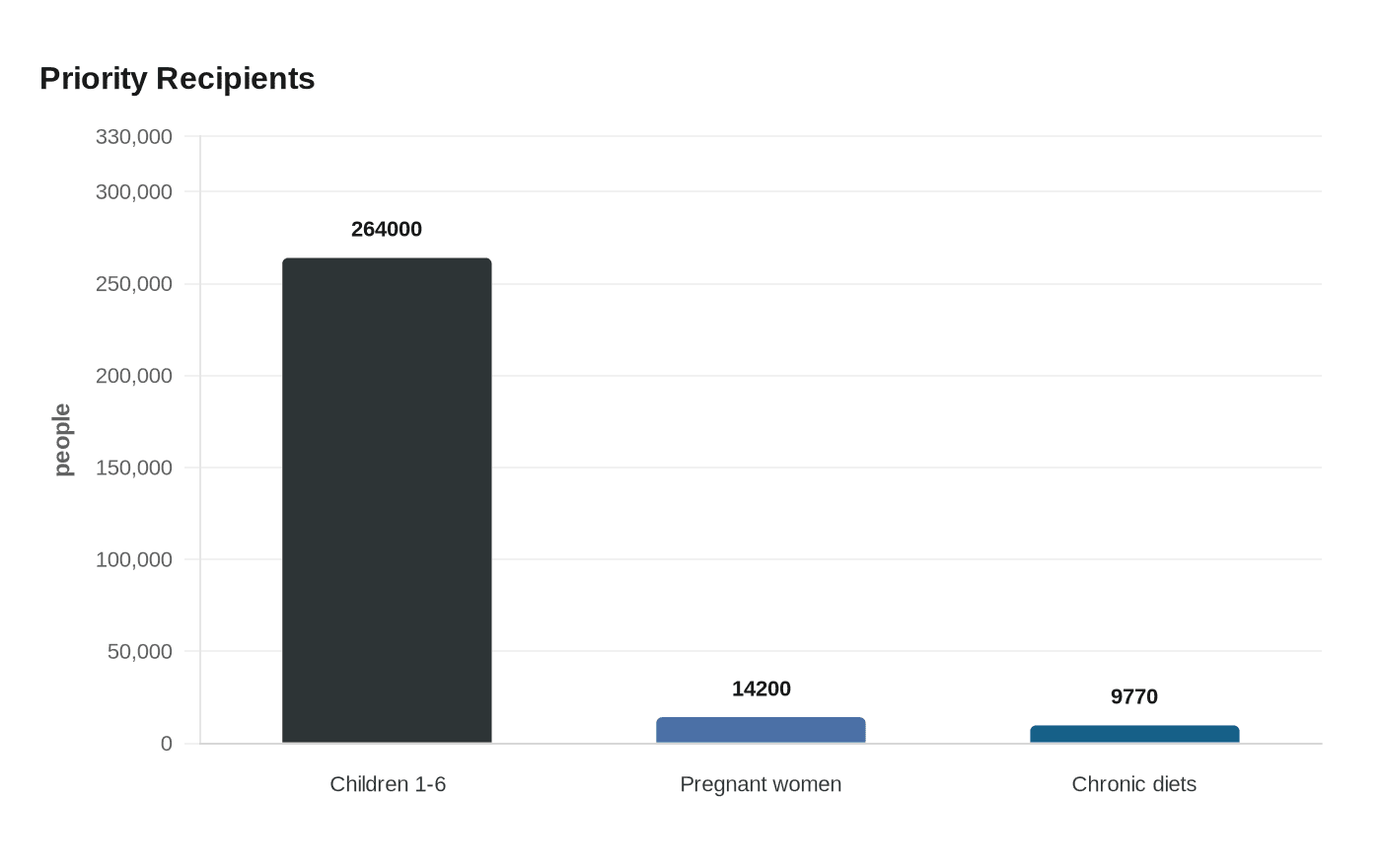
A first 10.4 tons of skimmed milk powder went out in Cotorro, and the numbers show how tight Cuba’s rationing has become: the shipment is meant for 264,000 children ages 1 to 6, 14,200 pregnant women, 9,770 people on chronic-illness diets and public institutions, with everyone else still waiting for other staples to arrive.
The milk is part of a larger flow of donated food and supplies that reached Havana aboard the Asian Katra on May 18, carrying more than 1,600 tons of humanitarian assistance from Mexico and Uruguay. Cuban state media described the cargo as roughly 1,700 tons of grains, powdered milk and hygiene items, and Reuters video coverage said the aid was being prioritized for children, older adults and other vulnerable people as shortages deepened across the island.
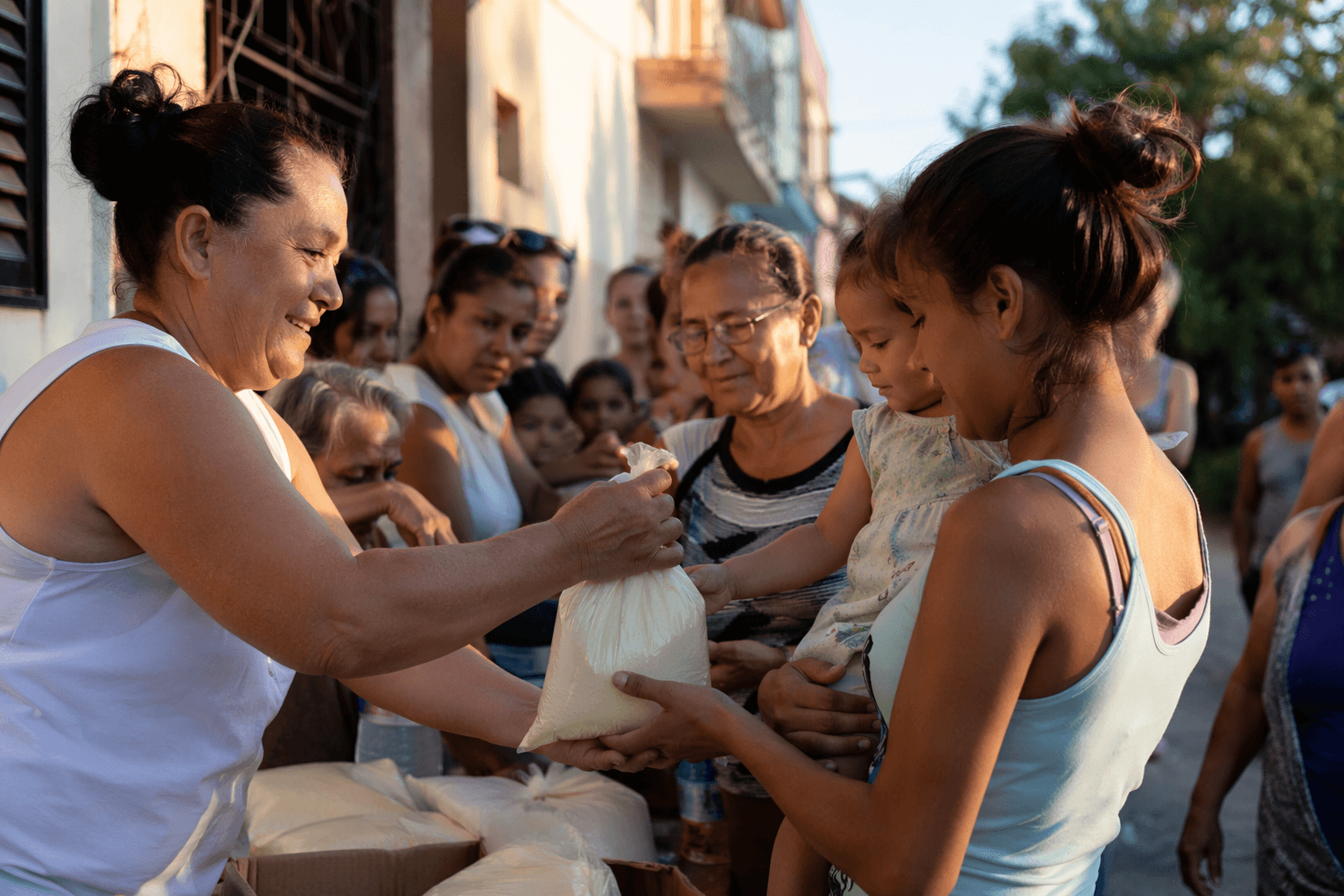
That priority reflects the strain on Cuba’s food system. The milk distribution began on May 31 in Havana, but it is only one stopgap in a much wider shortage of food, medicine and fuel that has left families scrambling for basic items. For many households, the arrival of powdered milk means a few more days of relief, not a return to normal supply. For the state, it is another reminder that rationed distribution now depends heavily on imported humanitarian help.
Mexico has become the main supplier in that pipeline. Miguel Díaz Reynoso said the May shipment was the eighth humanitarian vessel sent by Mexico to support Cuba, and Mexico said its donations had surpassed 6,000 tons. Claudia Sheinbaum said on May 11 that another shipment would be sent to help “ease the suffering” of the Cuban people. Mexico had already sent more than 814 tons of supplies in February, including over 277 tons of powdered milk, and Mexico’s Foreign Ministry said more than 1,500 tons of powdered milk and beans still remained to be sent.
Uruguay is part of the effort too. Its ambassador said the aid was sent using funds from a 2023 strategic cooperation agreement between Mexico and Uruguay, and Uruguay said it was willing to keep sending food, photovoltaic components and spare parts for thermoelectric plants. The message from Havana is blunt: imported milk is not a bonus, it is a lifeline for a rationing system under strain, and even this shipment only reaches the families and institutions already listed on the priority rolls.
This article was produced by Prism’s automated news system from verified source data, official records, and press releases, then run through automated quality and moderation checks before publishing. The system is built and supervised by the people who set the standards it runs under. Read our full AI policy.
Know something we missed? Have a correction or additional information?
Submit a Tip