Strong quake off western Cuba rattles Havana, no major damage reported
A 6.1 quake off western Cuba sent Havana residents into the streets, but authorities reported no injuries or major damage. A tsunami threat was ruled out.
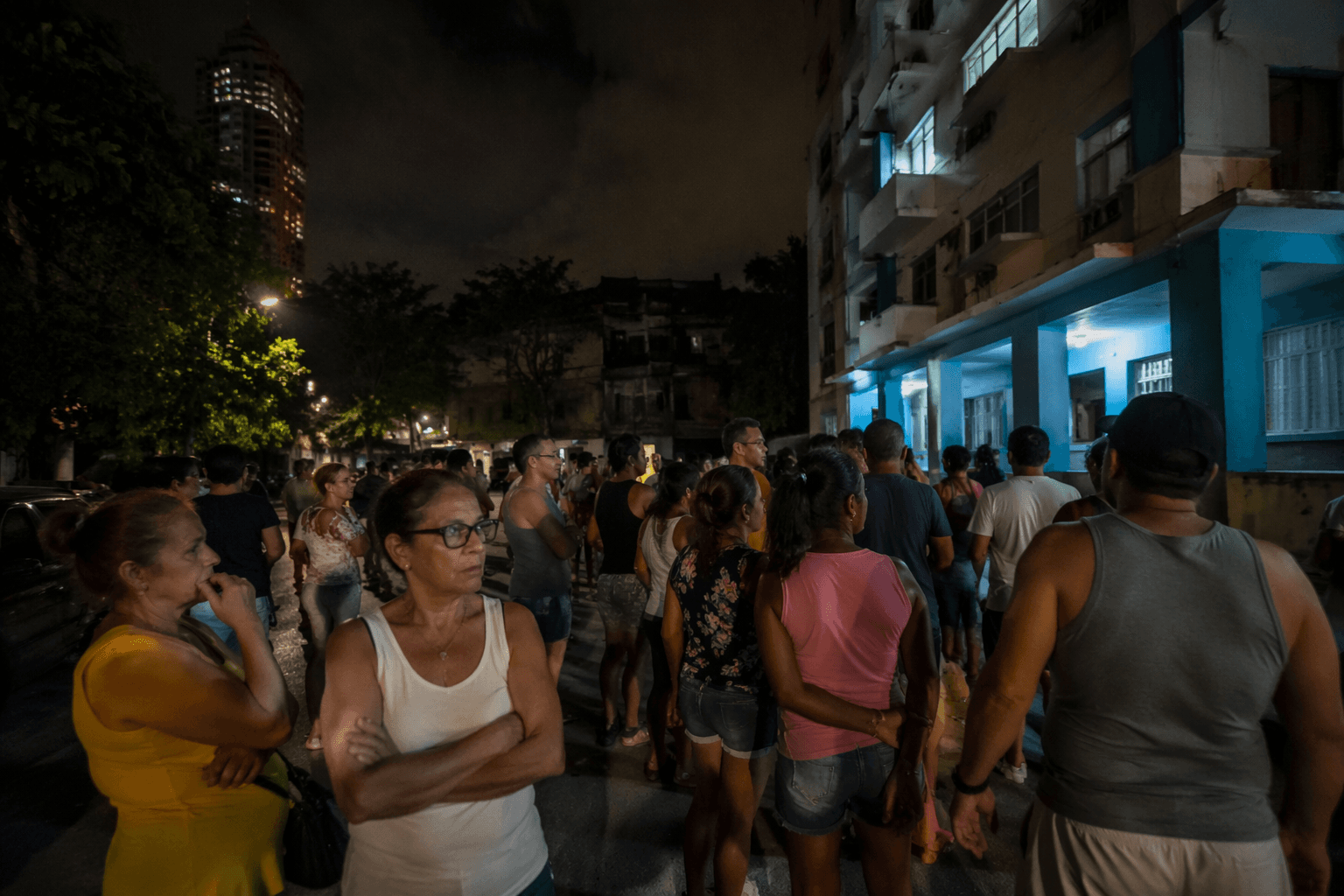
Havana’s buildings shook for about 20 seconds when a strong earthquake struck off western Cuba, sending residents and street-level businesses outside to see what had happened. The U.S. Geological Survey put the quake at magnitude 6.1, 104 kilometers west-northwest of Mantua, Cuba, at a depth of 10 kilometers, with an origin time of 18:00:25 UTC.
Cuban authorities said the tremor was felt across the entire west of the country. No injuries or significant damage were reported, and the U.S. Tsunami Warning Center ruled out a major tsunami threat, saying only a very small possibility of waves existed near the epicenter. Reuters said no tsunami warning or watch was issued after the quake, while the German Research Center for Geosciences listed it at magnitude 6.0.
The immediate scene in Havana was unsettled but orderly. A 47-year-old economist said she first felt dizzy and only later realized it was an earthquake. An actor said a table moved during a radio recording session before everyone rushed down the stairs. In Pinar del Río, a hotel manager said everyone was okay, though people in the street were frightened. Later, people gathered in the city center, checking their phones and comparing notes about the shaking.
The quake was felt beyond Cuba as well, with U.S. media citing the National Weather Service and USGS reporting light shaking across parts of Florida, including South Florida and areas as far north as Tallahassee. That wider footprint echoed other Caribbean quakes that have reached far from their epicenters, including a magnitude 7.7 event on January 28, 2020, and a March 2026 quake in eastern Cuba that was followed by more than 160 aftershocks.
For Havana, the important detail was not collapse or catastrophe but the sudden interruption itself. Twenty seconds was enough to empty buildings, stop conversations, and send people back into the street, which in a city used to blackouts and logistical strain can feel like its own kind of alarm.
This article was produced by Prism’s automated news system from verified source data, official records, and press releases, then run through automated quality and moderation checks before publishing. The system is built and supervised by the people who set the standards it runs under. Read our full AI policy.
Know something we missed? Have a correction or additional information?
Submit a Tip