Cuba e-Visa 2026: How to Apply, Costs, and Key Pitfalls
Cuba replaced the pink tourist card with a mandatory eVisa as of July 1, 2025 — here's exactly how to apply, what it costs, and the pitfalls that catch first-timers off guard.
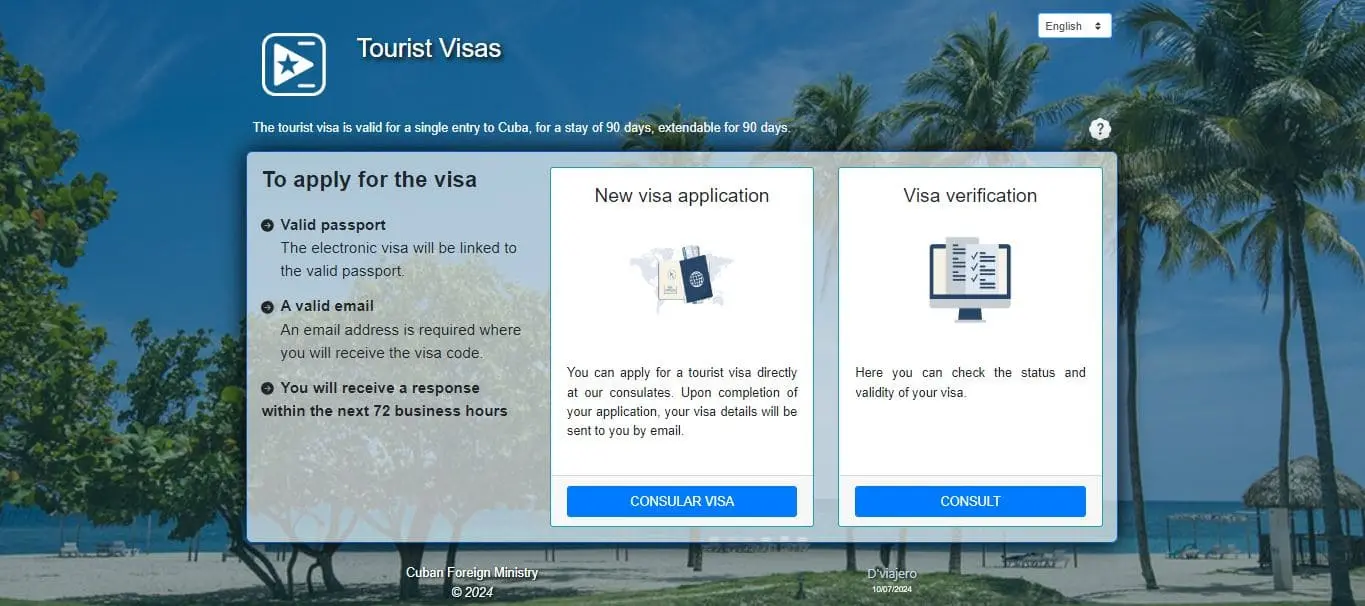
The pink tourist card is gone. Starting July 1, 2025, nearly all international travelers are required to obtain an electronic visa to enter Cuba, fully replacing the traditional tourist card that had served as the main entry document for decades. If you're flying to Cuba in 2026 and haven't dealt with this yet, this guide covers everything: who needs it, how to get it, what it costs, and what trips people up.
Who Needs the Cuba eVisa
The short answer: almost everyone. Any non-Cuban visiting Cuba needs an eVisa, including people from countries that previously traveled without either a visa or a tourist card. The only meaningful exception is Canadians flying directly from Canada, whose eVisa is typically bundled into their airline ticket. But Canadians making a stopover elsewhere still need to apply independently.
If you're traveling to Cuba by cruise or sea, you may still need a paper tourist card. Check with your cruise provider or nearest Cuban consulate for the latest guidance.
One group that sometimes gets overlooked: children of Cuban citizens born abroad who do not hold a Cuban passport must also comply with the eVisa requirement, even if they have family ties and visit regularly.
Where to Apply
The Cuban eVisa is available through the official Cuban government portal at evisacuba.cu. You do not need to use a visa agent. The application is submitted online through this portal, with no need to mail your passport or book a consulate appointment. Once approved, your eVisa is sent to you by email.
How to Apply: Step by Step
The application process itself is straightforward, but read each step carefully before starting:
1. Fill in the required information: personal data, travel details, passport number, and a recent digital photo.
2. Make the payment using one of the secure payment methods available. (More on payment complications below.)
3. Wait for a response: you will receive an email confirming the status of your application.
4. Download and print your eVisa.
Although it is a digital document, a printed copy is required at immigration control and when boarding your flight.
What You'll Need
Applicants need a valid passport, a recent photo, and a means of payment. Beyond the eVisa itself, there are two additional requirements that catch travelers off guard:
- Proof of travel medical insurance valid in Cuba is mandatory for all visitors and must be in place before traveling. US domestic health insurance is not accepted; buy a Cuba-specific policy before you fly.
- Your passport must be valid for at least six months beyond your planned departure date from Cuba.
Costs: What You'll Actually Pay
The official eVisa fee is $50 USD, with an estimated processing time of up to 72 business hours after submission. However, what you pay in practice depends heavily on how and where you apply.
The official cost depends on which Cuban consulate you are buying your eVisa from, not your nationality. If you go through a third-party reseller or an airline counter at the last minute, prices climb sharply: buying at the airport is the most expensive option, with costs running US$85-100 depending on the airline.
For Americans, there's an added wrinkle. While US applicants can use the eVisa platform online, payment is different from other countries: you must mail a check or money order to the Cuban embassy in Washington DC, because US economic sanctions do not permit credit card payments. The Cuban embassy takes on average five days to deliver eVisa codes after receiving payment. If you're applying via the Washington DC embassy using money orders or checks, the total timeframe is around 10-14 days.
Processing Time and Validity
The eVisa is typically processed within 72 business hours and is valid for a single entry, allowing a stay of up to 90 days, which can be extended once for an additional 90 days. The eVisa is not issued for a particular date, so if your plans change, you can still use it within a year from when you purchased it. That's useful flexibility given how often Cuba travel plans shift.
The eVisa can be requested up to 30 days before departure and is valid only for tourism purposes. If you're traveling for business, you'll still need to apply directly through your local Cuban consulate.
The D'Viajeros Form: The Second Mandatory Step
Getting the eVisa is only half the paperwork. Travelers must also complete the D'Viajeros online form within seven days prior to arrival. This form collects health, customs, and immigration information and is mandatory for all visitors, including Canadians.
The D'Viajeros form generates a QR code that is required upon entry and at departure control. Save the QR code somewhere accessible without internet, and print a backup. Cuba's connectivity is unreliable enough that you don't want to be hunting for it at the airport.
If you're staying in a casa particular rather than a hotel, select "House or Room for Rent" in the form and add the name and address provided by your host.
Key Pitfalls to Avoid
A few mistakes show up repeatedly among first-time Cuba travelers:
- Don't wait until the airport. You must buy your eVisa in advance of travel. Paper visas are no longer available at airline check-in counters.
- Beware scam sites. Avoid unofficial intermediaries and always ensure the website is legitimate. The only official government portal is evisacuba.cu.
- Apply well in advance. Apply at least one week before your flight to account for any processing delays, and longer if you're applying from the US via money order.
- US travelers: your eVisa is linked to your passport. The Cuba eVisa for US citizens is electronically linked to the passport you use to apply. You must travel with that passport. If you lose it or it expires, you need to apply for a new eVisa.
- US travelers: cash is essential. US cards won't work in Cuba. Bring enough cash to cover your entire trip: there is no ATM fallback, and US credit and debit cards are blocked by the embargo.
- US travelers: you cannot travel as a tourist. Americans can visit legally under one of 12 OFAC-authorized general license categories, with "Support for the Cuban People" being the most widely used. You self-certify your category when booking — no advance government approval is required — but you must genuinely comply with the requirements of that category and keep records for a minimum of five years.
The Bigger Picture
Cuba's goal with the eVisa system is to implement a more modern, secure, and efficient immigration system, aligned with international standards. For most travelers outside the US, the process is genuinely simpler than the old tourist card scramble. The bureaucratic weight now falls disproportionately on American applicants navigating both Cuban immigration requirements and OFAC compliance simultaneously. Get the eVisa sorted early, print everything, and save your QR codes offline: those three habits alone will spare you the stress that derails too many Cuba arrivals before they even clear the terminal.
This article was produced by Prism’s automated news system from verified source data, official records, and press releases, then run through automated quality and moderation checks before publishing. The system is built and supervised by the people who set the standards it runs under. Read our full AI policy.
Did this article answer your question?