Cuba ends fixed fuel prices as shortages deepen
Cuba dropped fixed fuel prices as shortages worsened, shifting costs to stations and pushing the shock first onto taxis, deliveries, and small businesses.
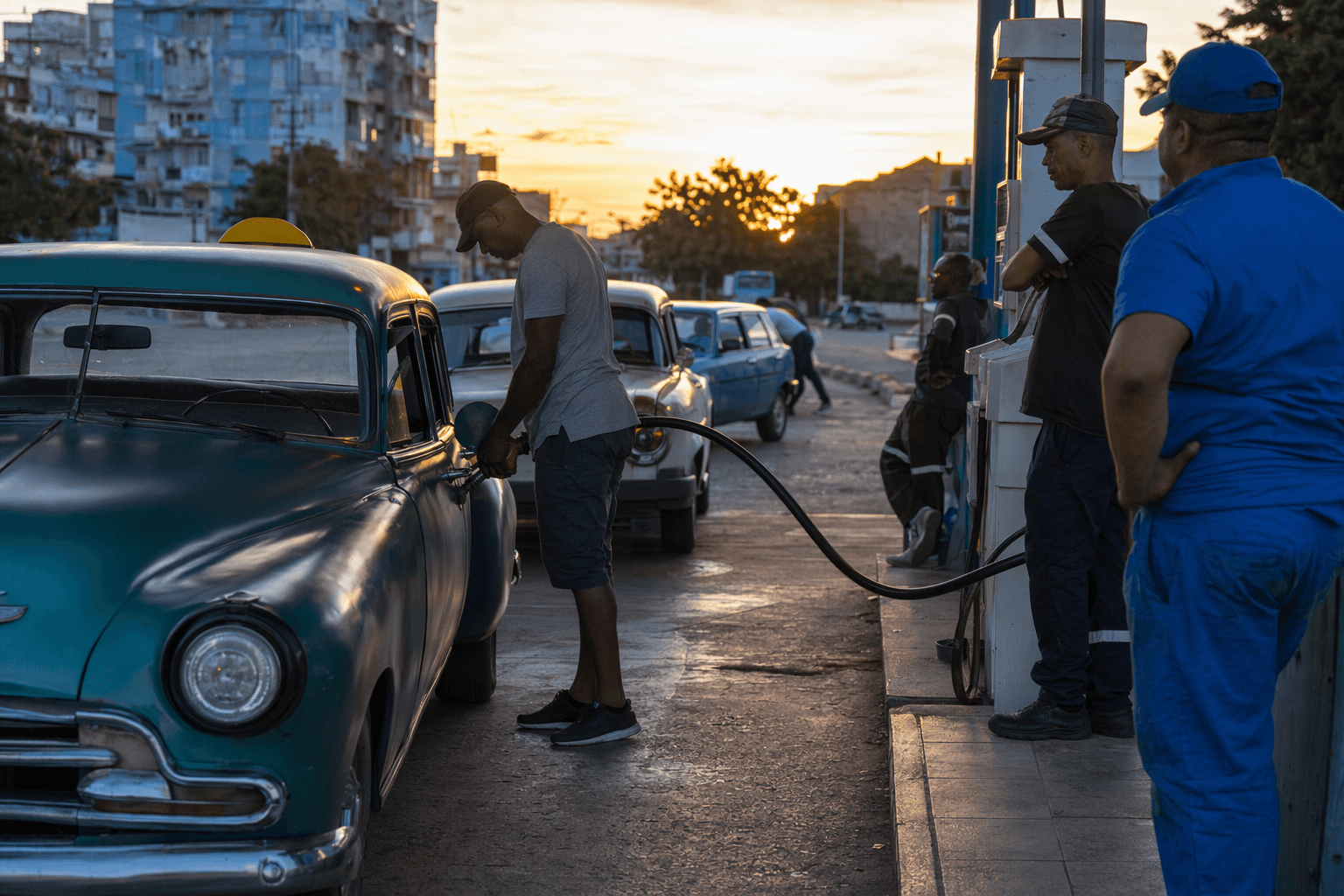
A ride to work, a loaf of bread hauled across town, and a few hours of generator power are all about to cost more in Cuba. The government ended fixed retail fuel prices on May 12, 2026, shifting instead to station-by-station pricing as the island’s fuel crisis deepened and the old system stopped matching real costs.
The change matters because fuel sits under nearly everything Cubans move and make. Private transport operators will feel it first, along with food deliveries, informal drivers, and small businesses that depend on diesel or gasoline to keep refrigerators running, goods moving, and customers coming in. With prices now tied to each fuel point’s costs, the island is likely to see more variation from one place to another, and more uncertainty for people already facing long lines, rationing, and rules that keep changing.
The move was framed as economically necessary, but it also reads as an admission that the shortage has entered a worse phase. In February, Miguel Díaz-Canel described the energy situation as “complex” and warned Cubans were in for “very difficult” times. He said Venezuela supplied about 30% of Cuba’s energy needs in 2025, that roughly two-thirds of the country’s fuel had to be imported, and that Cuba had not received fuel from abroad since the previous December. Havana had already halted power generation using diesel and fuel oil, which had made up about 40% of the energy mix.

The pressure had already spread beyond the gas station. On February 7, the government said it would ration fuel sales because of the shortage, and later that month some private businesses said they had begun receiving imported fuel. EFE also reported that Cuba had started closing some hotels and relocating tourists to cut energy use, a sign that the shortages were biting tourism, aviation, and transport at the same time.
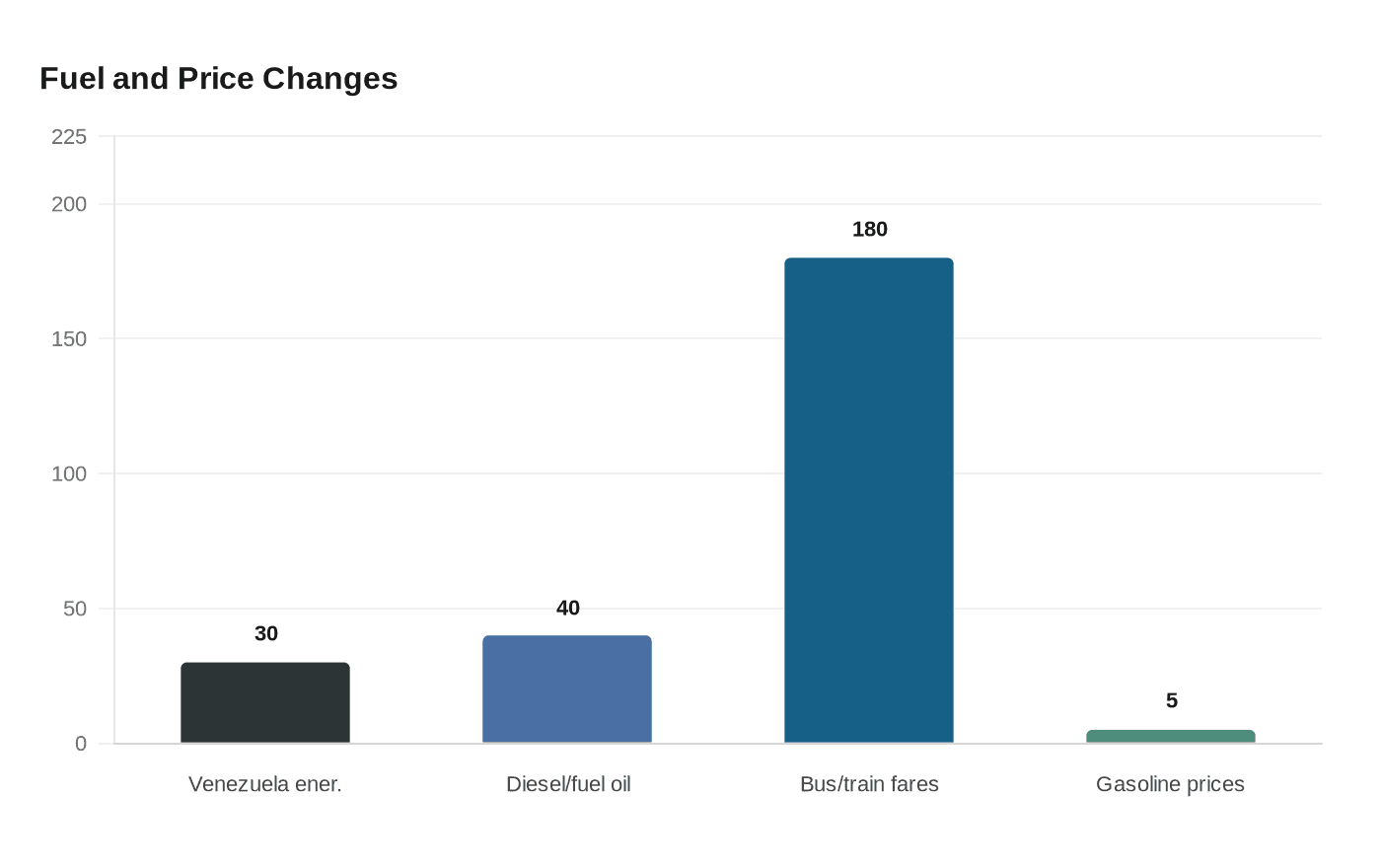
Cuba has seen fuel shocks before, but the scale keeps changing. In January 2024, gasoline prices jumped about fivefold, while electricity and gas also went up and interprovincial bus and train fares were set to rise by 180%. That earlier price correction never solved the underlying problem. By 2026, aging thermoelectric plants, scarce foreign currency, and thinner fuel supplies had pushed the island into a far more fragile balance, where a trip across town, a truck delivery, or a small generator can turn into the first visible cost of crisis.
This article was produced by Prism’s automated news system from verified source data, official records, and press releases, then run through automated quality and moderation checks before publishing. The system is built and supervised by the people who set the standards it runs under. Read our full AI policy.
Did this article answer your question?