Cuba denies hepatitis A epidemic, acknowledges complex health crisis
Cuba says it is not facing a hepatitis A epidemic, but outbreaks in three provinces and collapsing water service have turned sanitation into the real alarm.
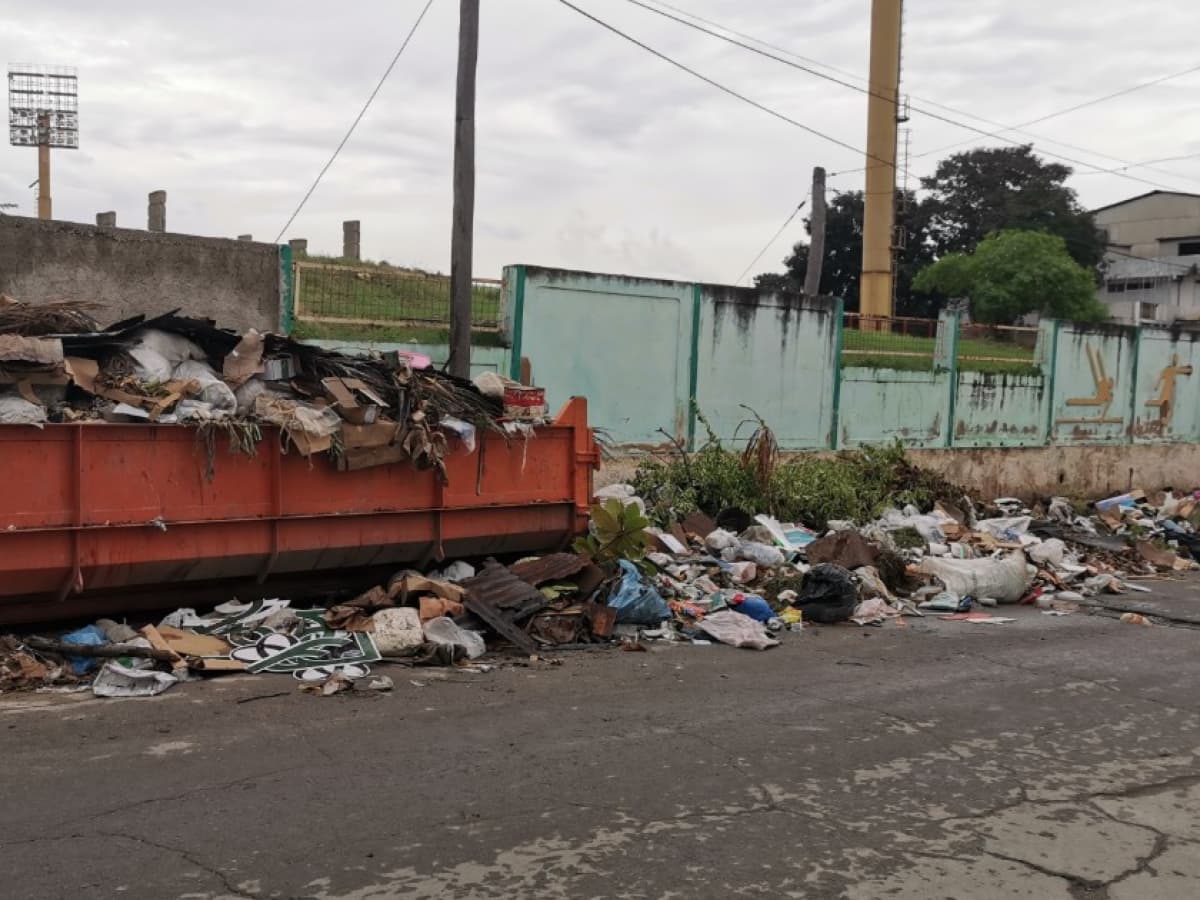
Cuba denied that hepatitis A had crossed into epidemic territory, but it still admitted the country’s health situation was “very complex,” a careful line that did not erase recent outbreaks in Matanzas, Camagüey and Pinar del Río. The government was pushing back on the label, not the underlying strain, and that distinction matters in a place where clinics, sanitation systems and everyday services are already under pressure.
Hepatitis A spreads when people ingest contaminated food or water, and the World Health Organization ties it closely to unsafe water, inadequate sanitation and poor hygiene. That is why the case mix in Cuba is worrying beyond the virus itself. In January, health authorities in Ciego de Ávila were already investigating suspected hepatitis cases in several municipalities, and by late January reports said the outbreak appeared to be spreading in eastern Cuba, especially Santiago de Cuba. The disease is moving in the same spaces where garbage pickup, water treatment and basic public-health monitoring are weakest.
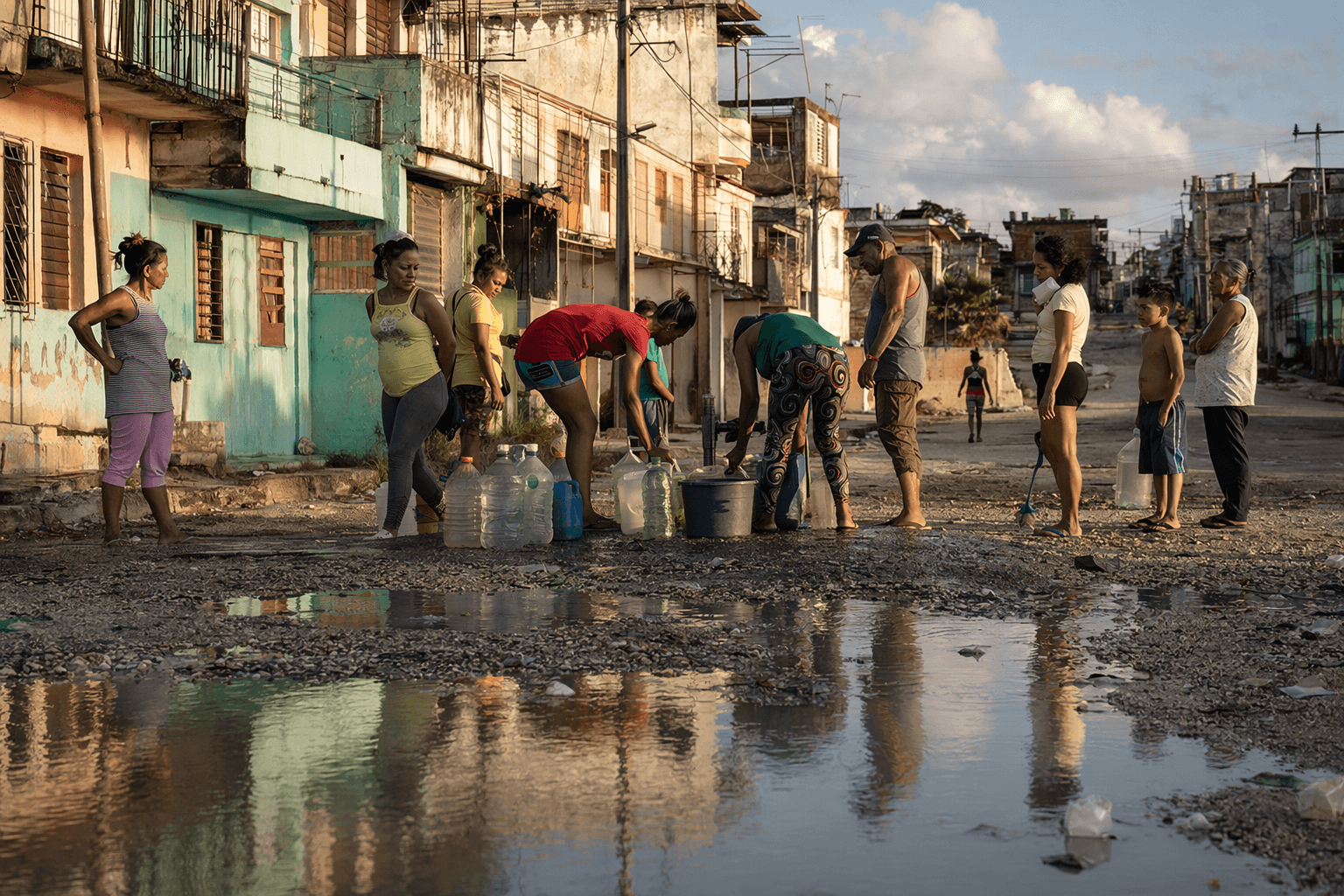
The wider crisis around the island helps explain the official caution. On March 20, Reuters reported that residents in Havana were lining up for water because fuel shortages and power-grid instability had disrupted pumping, and Aguas de La Habana said electricity shortages were interfering with supply operations. On April 6, the United Nations said Cuba’s humanitarian needs remained “quite acute and persistent,” warning that the energy shock had worsened since late March and that blackouts and fuel rationing were affecting safe water, health, sanitation, education and food. On May 13, Reuters reported that Cuba had run out of diesel and fuel oil and that the national grid was in a critical state.
The warning signs did not begin in May. The U.S. Embassy in Havana issued a hepatitis A health alert on August 27, 2025, flagging increased cases in Havana. With about 11.0 million people and one of Latin America’s oldest populations, Cuba has little cushion when water systems falter and health services are stretched. The government may be rejecting the word epidemic, but the combination of outbreaks, blackouts and water disruptions is exactly the kind of pressure that lets hepatitis A spread in the first place.
This article was produced by Prism’s automated news system from verified source data, official records, and press releases, then run through automated quality and moderation checks before publishing. The system is built and supervised by the people who set the standards it runs under. Read our full AI policy.
Did this article answer your question?