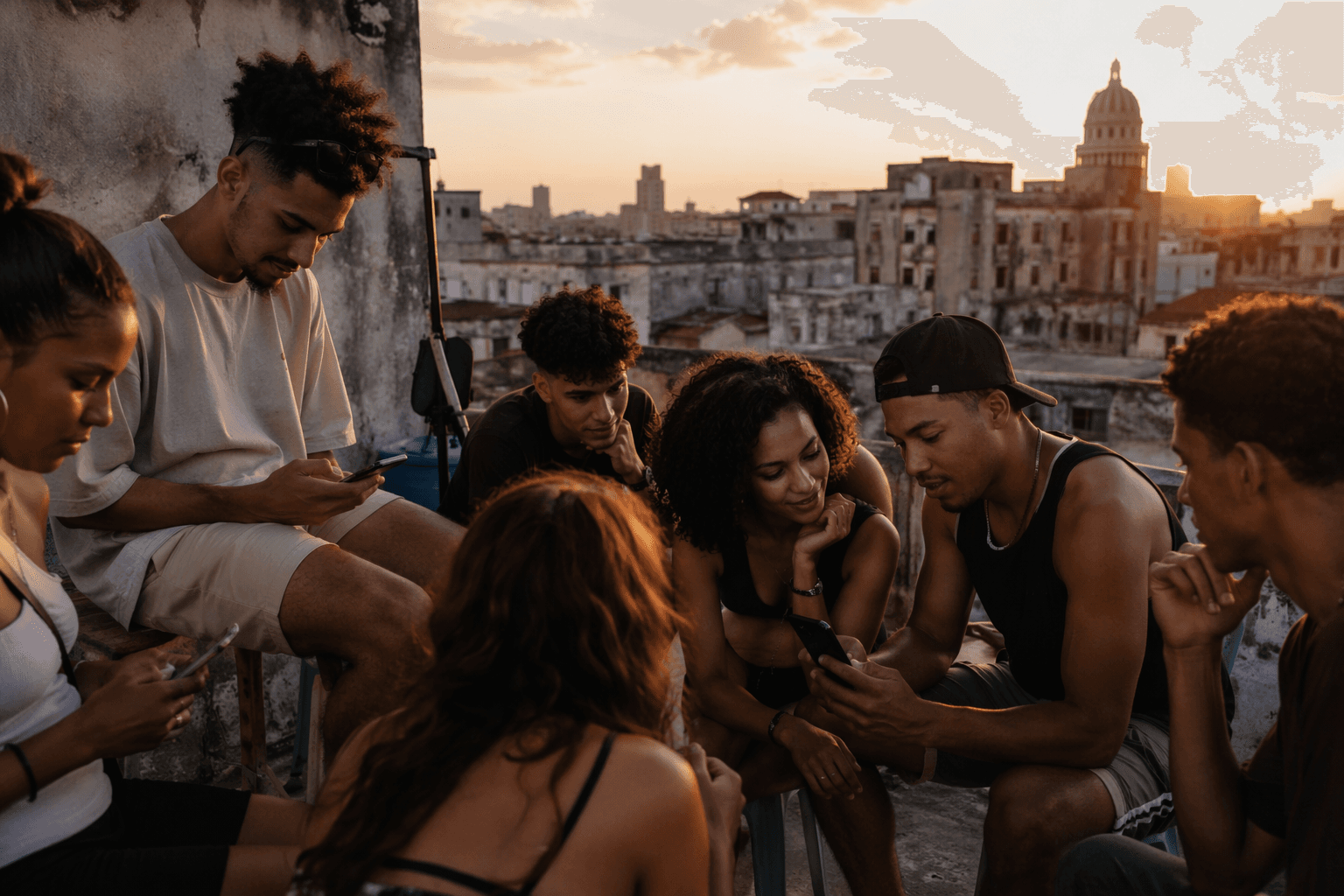
Cuba expands free medical scholarships for Palestinian students amid shortages
Cuba added 200 fully paid medical scholarships for Palestinians while its own hospitals face power cuts, fuel shortages and medicine gaps.
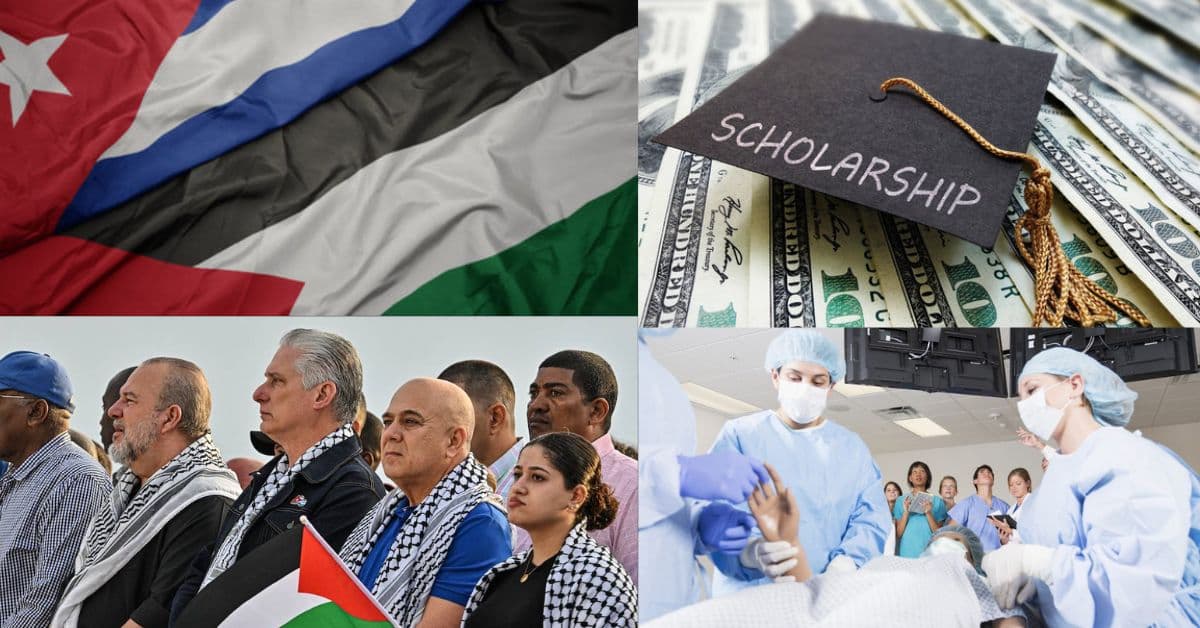
Cuba kept opening seats for Palestinian medical students even as its own hospitals wrestled with power cuts, medicine shortages and fuel shortages. The move is more than a gesture of goodwill. It shows how Havana still treats medicine as a diplomatic weapon, a political value and a piece of soft power it is determined to protect.
In 2024, the Cuban government added 200 fully paid scholarships for Palestinian medical students to complete undergraduate and graduate training. Hundreds of Palestinians were already studying for free on the island, and more than 1,500 Palestinians have studied there without paying over the decades, many of them in medicine. The program is not abstract for the students in it. Samar Alghoul, studying in Cuba while Gaza remains under fire, is one of the young Palestinians whose education is tied directly to the needs of her community back home. Cuban officials also handed scholarship files to Malak Khudeir and Wajeh Matar, who were set to travel to Cuba for the 2024-2025 academic year.
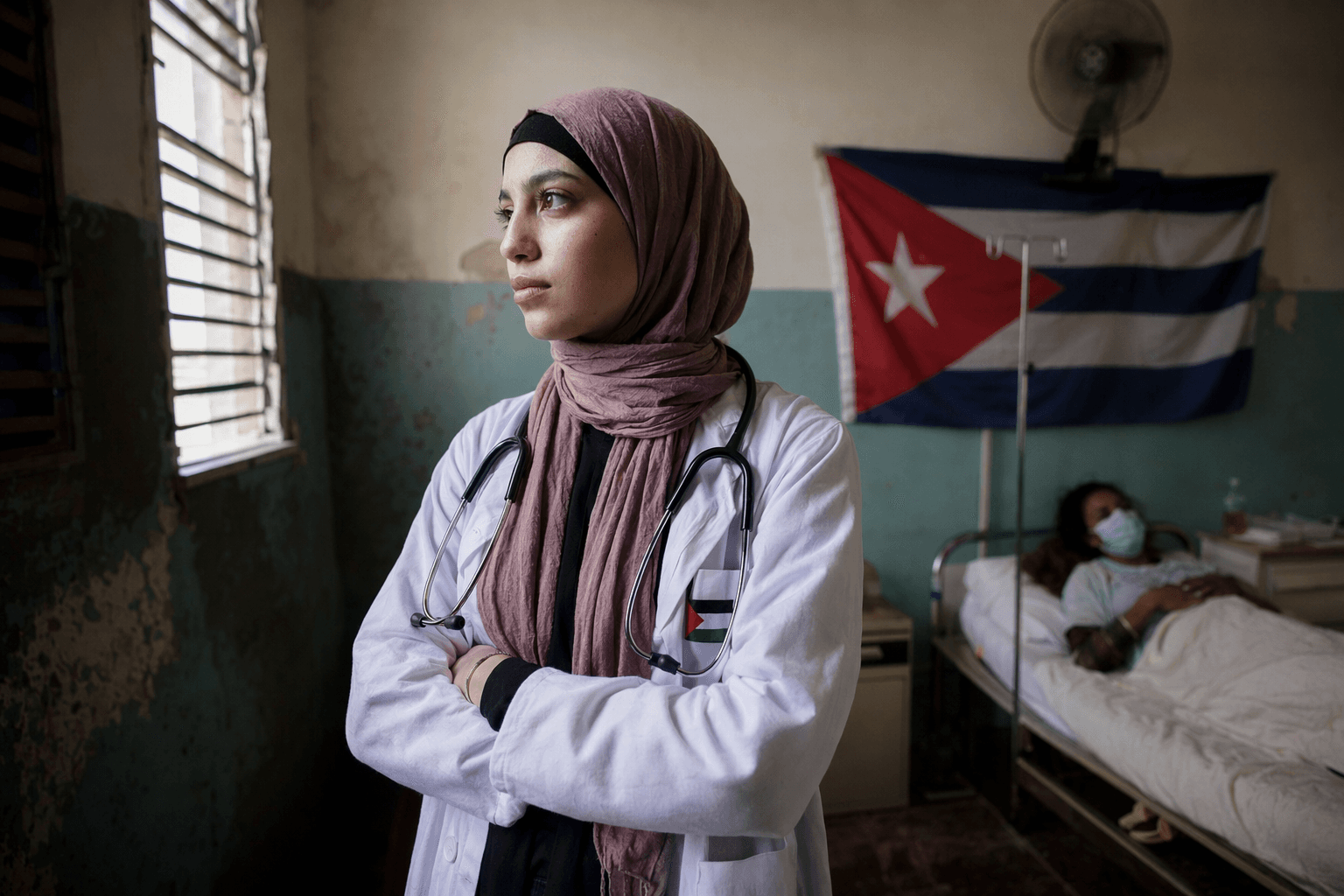
That policy fits a line Cuba has repeated for years: Fidel Castro’s 2003 declaration that Cuba does not drop bombs on other countries but sends doctors instead. In Havana, that slogan is not nostalgia, it is statecraft. Cuban officials and solidarity groups trace the Cuba-Palestine relationship back to 1959, when Che Guevara and Raúl Castro visited Gaza, and later milestones include Cuba recognizing the PLO, backing Palestinian diplomacy at the United Nations and publicly reaffirming support at the Non-Aligned Movement in September 2024.
The contrast with life on the island is sharp. PAHO has described Cuba as facing an unprecedented energy emergency, with medicine shortages and the migration of health workers straining the system. UN and OCHA reporting has also linked fuel shortages to limits on humanitarian and medical operations in Cuba. At the same time, UNRWA says it continues large-scale health and relief work for some 5 million registered Palestine refugees, while Gaza’s health system has been devastated by conflict and fuel restrictions.
That is the real story behind the scholarships. Cuba is under pressure at home, but it still invests in training Palestinian doctors abroad because the program serves three purposes at once: it reflects Havana’s political identity, strengthens its international alliances and keeps alive the idea that the island’s strongest export is still a physician’s white coat, not a weapon.
This article was produced by Prism’s automated news system from verified source data, official records, and press releases, then run through automated quality and moderation checks before publishing. The system is built and supervised by the people who set the standards it runs under. Read our full AI policy.
Did this article answer your question?