Cuba Faces Deepening Crisis as Trump Pressure Fuels Regime Fears
Three nationwide blackouts in March and a 34.6% drop in nighttime light output showed how Cuba’s crisis hit daily life long before Trump’s “end” rhetoric.
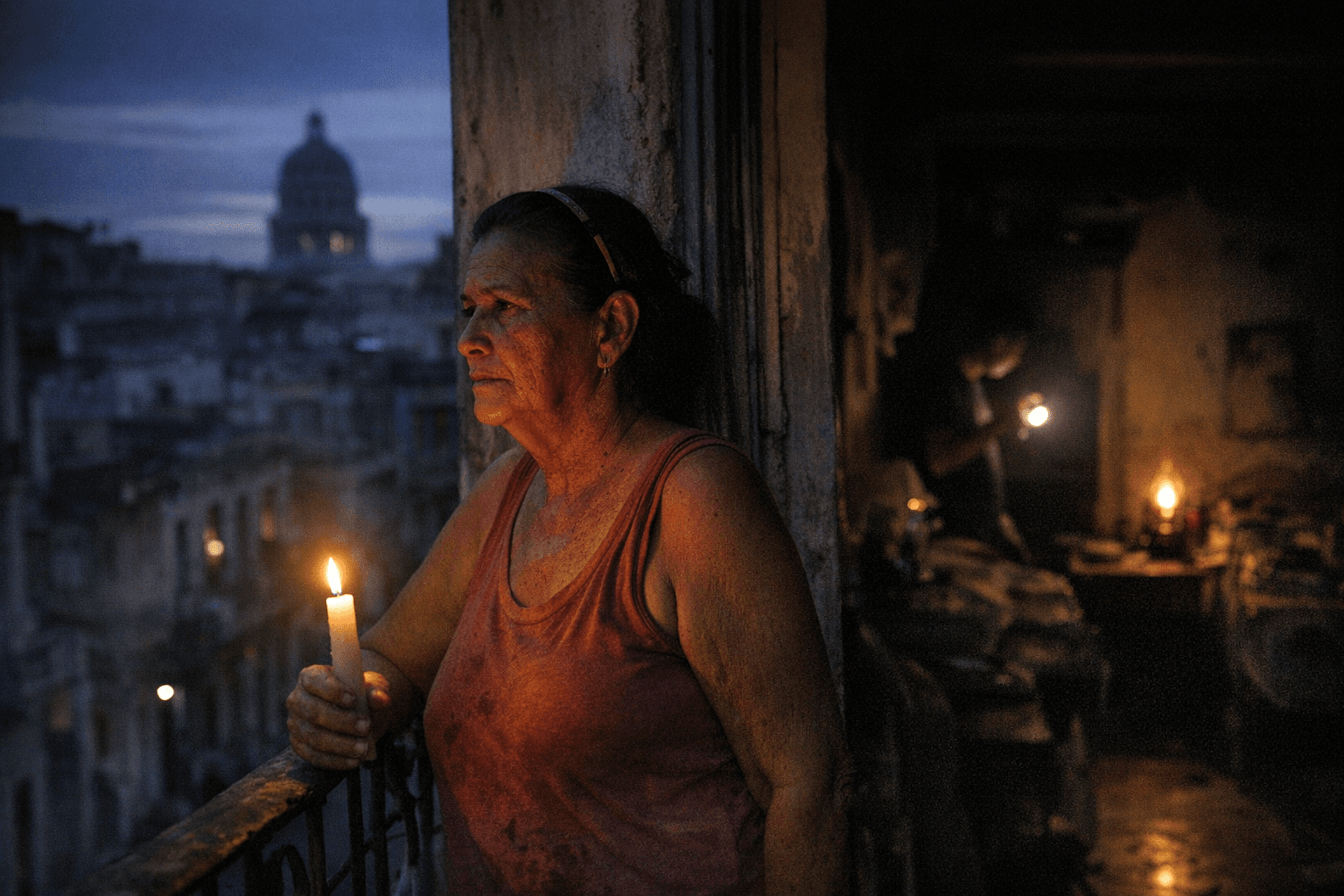
The latest TIME cover turns Cuba’s crisis into a geopolitical showdown, but the daily reality on the island is still measured in power cuts, spoiled food, dry taps and bank lines that close early. In Havana and Matanzas, prolonged blackouts have left streets empty, internet spotty and refrigerators powerless, while the island’s energy system keeps buckling under fuel shortages and obsolete Soviet-era infrastructure.
Donald Trump told reporters on March 16 that Cuba was “seeing the end,” and his administration has tightened pressure on the island at the same time that Cubans have endured three nationwide blackouts in March alone. The message from Washington may sound like regime strategy, but inside Cuba it lands as a question of whether the lights stay on, whether the buses run, and whether families can keep food from spoiling.
The scale of the crisis is stark. ACAPS and United Nations-linked analysis found nighttime light reflectance in Cuba fell from 84,800 to 55,000 nW/cm²/sr between February and March, a 34.6% drop in one month. Cuba’s domestic production covers only about 40% of its estimated daily need of 100,000 barrels of oil, and the country received its first oil shipment in three months on April 2: 730,000 barrels of crude, enough for roughly nine to 10 days of demand.
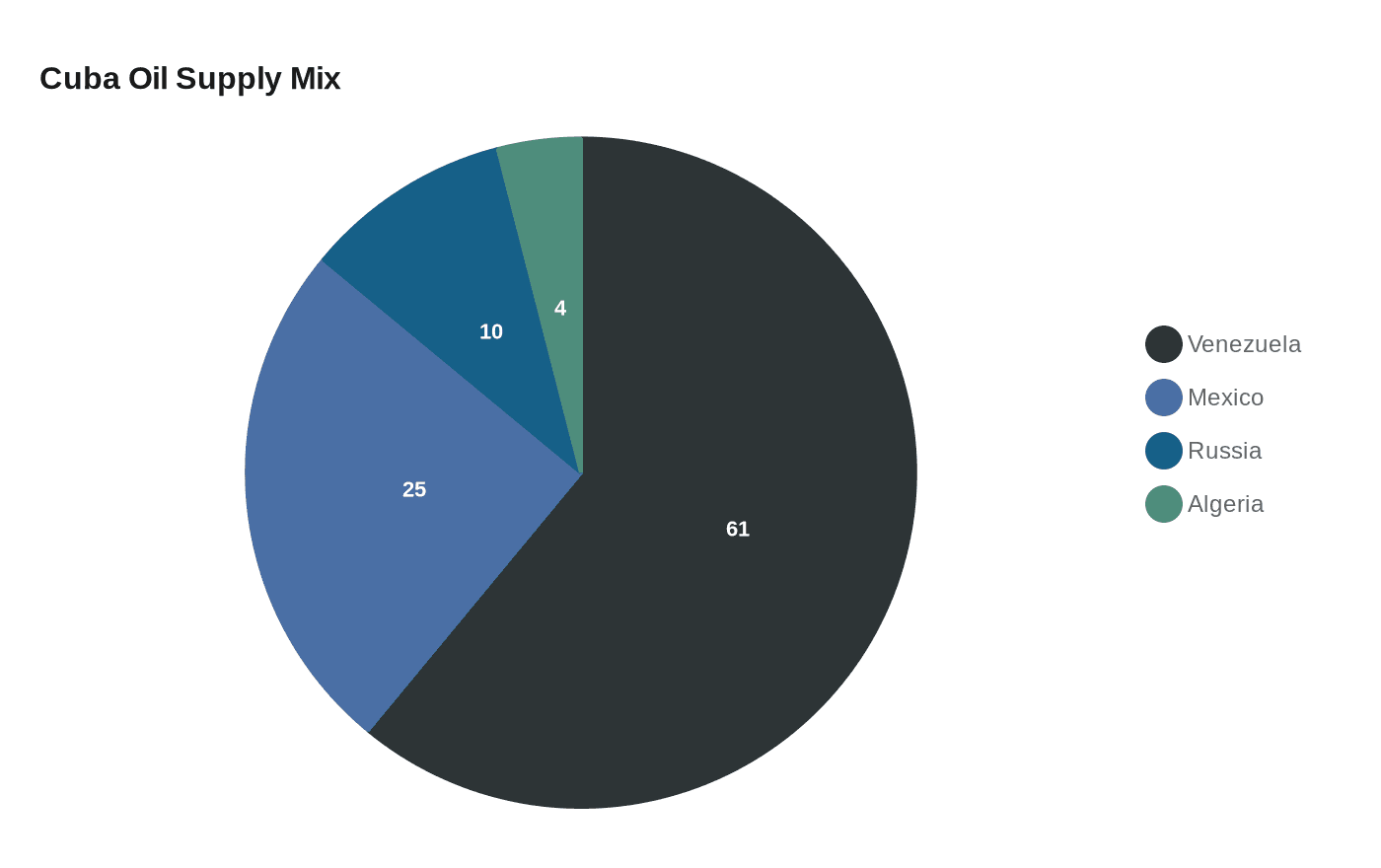
That dependence has made every outside shock more painful. Venezuela supplied 61% of Cuba’s oil in 2025, with Mexico providing 25%, Russia 10% and Algeria 4%. When shipments from Venezuela were interrupted, fuel shortages deepened, hospitals strained and flights were grounded. Relief reporting also said the island’s grid collapsed three times in March, bringing the total to seven collapses in a year and a half.
The politics around that breakdown are sharpening fast. Miguel Díaz-Canel has vowed resistance to “any external aggressor,” while Cuban Foreign Ministry official Alejandro Garcia del Toro said recent talks with U.S. officials in Havana were “respectful and professional” and that ending the U.S. energy blockade was a “top priority.” Marco Rubio said on March 17 that Cuba’s economy and political system “can’t fix it.”
Washington says it has also sent $6 million in humanitarian aid, including rice, beans, pasta, tuna and solar lamps, and Mexico has sent more than 814 tons of food and hygiene products. Cuba is also leaning on the Catholic Church, Caritas and other partners as UN officials describe a worsening humanitarian situation. The larger question now is not whether pressure is rising, but whether the island’s failing grid and collapsing supply lines can survive it.
This article was produced by Prism’s automated news system from verified source data, official records, and press releases, then run through automated quality and moderation checks before publishing. The system is built and supervised by the people who set the standards it runs under. Read our full AI policy.
Did this article answer your question?