Cuba forecasts unusually hot May 2026, with scarce western rainfall
Cuba is heading into a hotter-than-normal May, with warm nights, scarce western rain and more pressure on power, water and sleep.
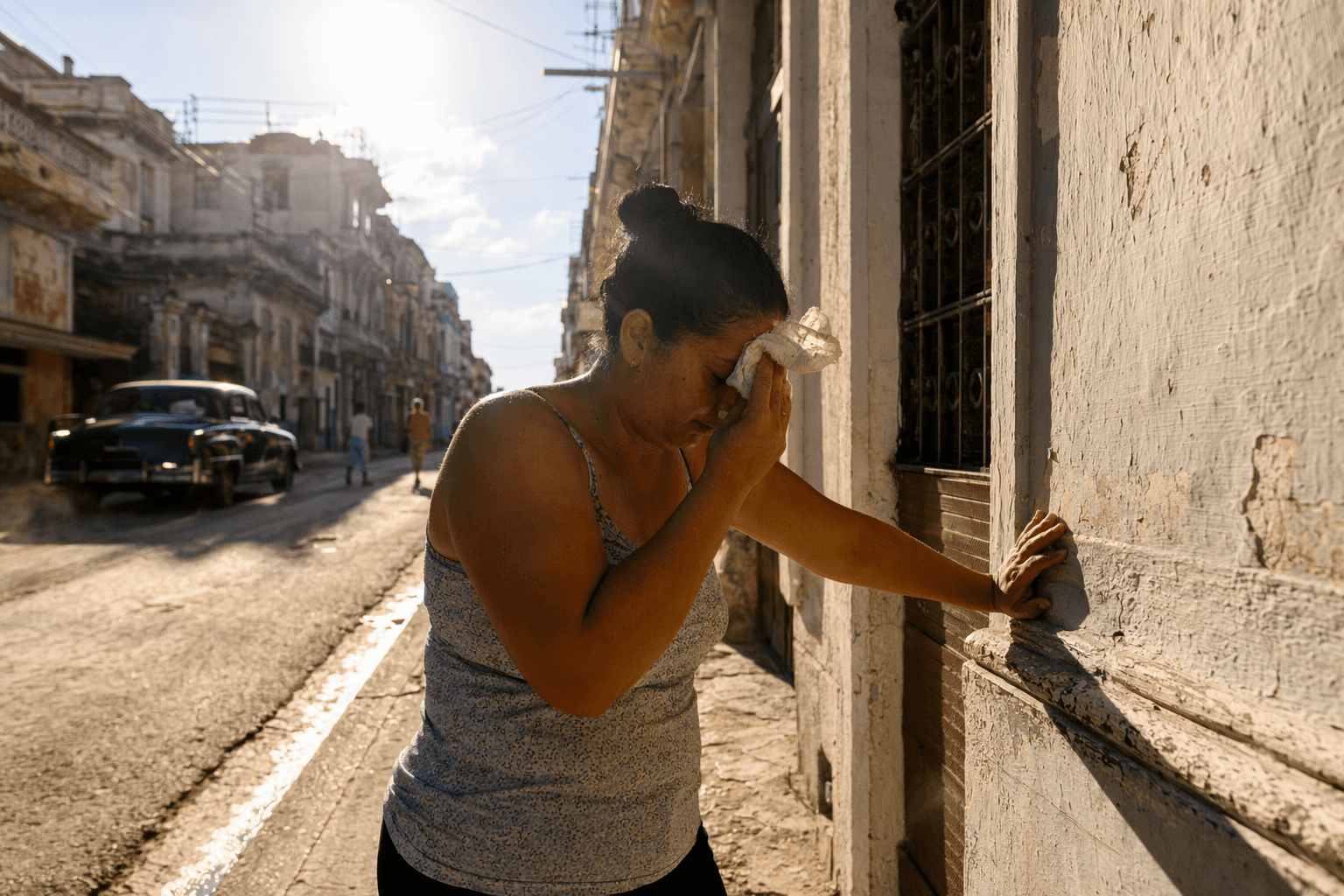
Cuba is heading into a May that looks hotter not just by day, but overnight too. The Climate Center of the Cuban Institute of Meteorology is forecasting temperatures above historical averages across western, central and eastern Cuba, a pattern that can leave the island feeling warm around the clock rather than briefly uncomfortable. Early-May INSMET forecasts already show highs around 31°C and lows near 22°C in parts of the country.
Idelmis González García, head of CENCLIM, presented the outlook at the XV National Forum on Climate Perspectives. The warning matters because May is the opening of Cuba’s wet season, which runs through October and normally delivers about 74% of the country’s annual rainfall. June is usually the rainiest month, but the west may be short on rain even as the seasonal rains begin. Meteorologists are also watching the Pacific, where most models point to a new El Niño/Southern Oscillation event developing in July and lasting until the end of the year, although the Cuban model in the outlook suggests it may not begin until November.
For daily life, the difference between a warm month and an unusually hot one is often measured in blackouts, water jugs and sleepless nights. Cuba’s energy system remains under sustained pressure, and shortages are already affecting safe water, health, sanitation, education and food. When power cuts arrive in the middle of a sticky May evening, fans stop, refrigerators warm up and sleep becomes harder to hold onto. That hits the elderly first, along with families without reliable electricity and outdoor workers who spend long hours under direct sun in Havana, Trinidad and Santiago de Cuba.
Food and water are part of the same strain. The Pan American Health Organization says Cuba depends on food imports for more than 80% of its supply, so heat, transport interruptions and blackouts can quickly turn into spoiled food and tighter household budgets. A hotter month also raises demand for water at the same time that scarce rainfall in the west could leave stores and taps under more pressure. In a country where every outage reverberates through kitchens, clinics and classrooms, the forecast is less a comfort note than a warning about how fragile the next few weeks may feel.
The island is still living with the damage from Hurricane Melissa in October 2025, when flooding, evacuations and disruptions to health, water, electricity and food systems deepened hardship in eastern Cuba. Add a persistently hot May to that backdrop, and the result is a familiar Cuban burden: another month where weather, power and basic services all tighten at once.
This article was produced by Prism’s automated news system from verified source data, official records, and press releases, then run through automated quality and moderation checks before publishing. The system is built and supervised by the people who set the standards it runs under. Read our full AI policy.
Did this article answer your question?