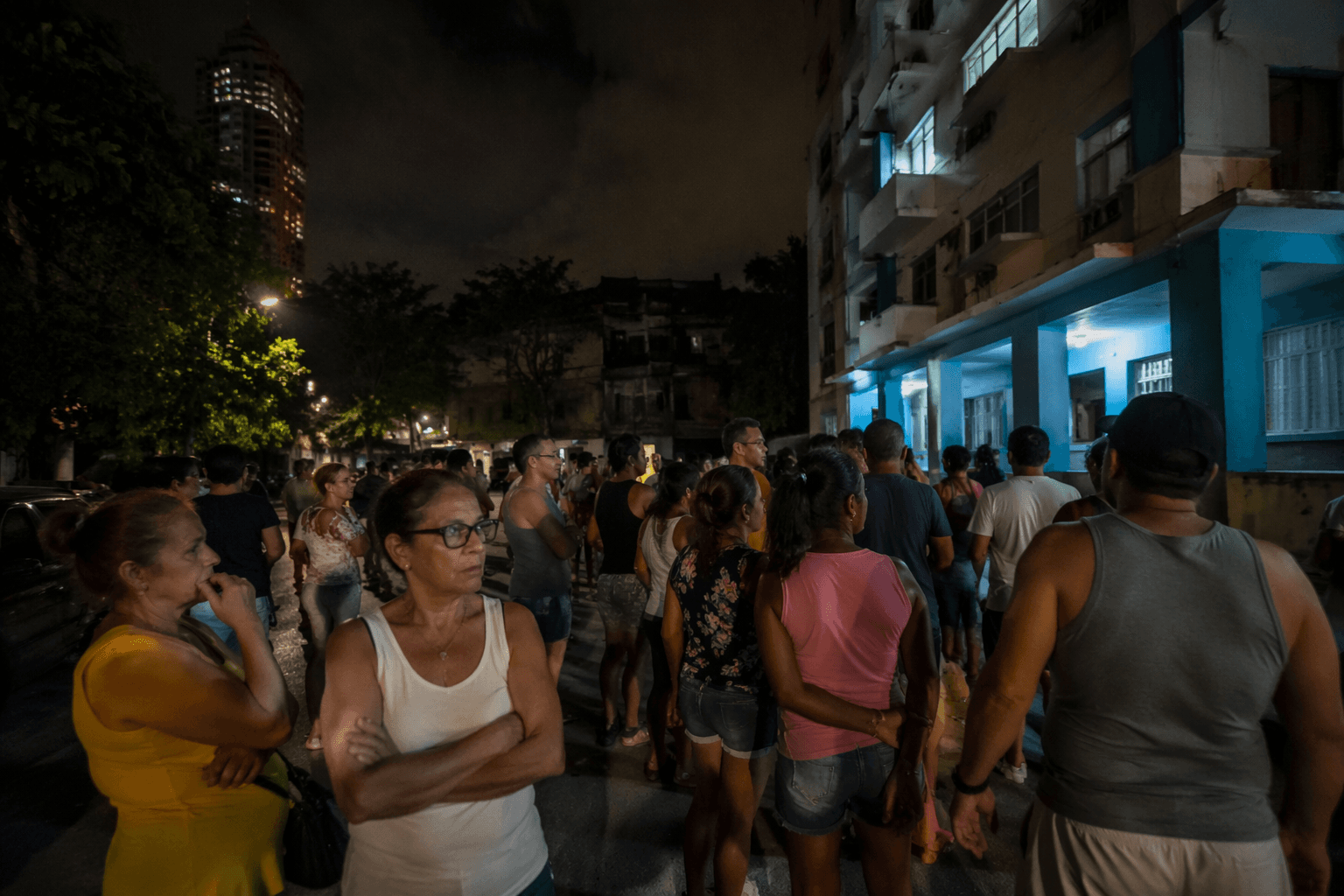
Cuba publishes prisoner amnesty list amid U.S. talks
Cuba finally published its prisoner amnesty list, but the names still left the biggest question hanging: which political prisoners were actually covered?

Cuba’s new prisoner list turned a political promise into a document that can be checked line by line. The decree signed by President Miguel Díaz-Canel and published in the official gazette named the people covered by the April amnesty, after the government said it would free more than 2,000 prisoners.
That matters because Havana had framed the measure as a full and definitive amnesty at a moment when talks with Washington were already running through the thorniest part of the Cuba file: prisoners, protests and the government’s treatment of dissent. At least some of the prisoners had already been released before the list became public, so the publication did not open the process. It made it visible.
The visible record is large. CiberCuba said the gazette list ran more than 100 pages and covered 2,010 sanctioned individuals, including 95 cases linked to Cuba’s Chamber of Crimes against State Security. Reuters also documented the release in action on April 3, when Harold Baez, 31, walked out of La Lima penitentiary as part of the amnesty. His release showed the policy was moving, but it also showed why the published names mattered so much: the gesture was already underway before the public could measure it.
The gap is where the politics sit. In a secret Havana meeting on April 10, U.S. officials pressed Cuba to free artist Luis Manuel Otero Alcántara and rapper Maykel Osorbo, along with more than 1,000 other political prisoners. Human rights groups said the public list should make it easier to test whether that pressure produced anything more than a broad release of ordinary inmates and nonpolitical cases. Human Rights Watch said over 700 political prisoners remained behind bars, and that neither it nor other civil society groups had identified political prisoners among those released at that point.
Amnesty International said Cuba still had not published a complete official list of release or pardon beneficiaries and warned that the process lacked transparency. It also said no prisoners of conscience it had named had been released, and that the people freed could still face surveillance, travel bans or the threat of being sent back to prison.

So the published list did what a real verification moment should do: it narrowed the claims and exposed the missing names. Cuba put the amnesty on paper, but the names Washington cares about most are still the ones that decide whether this was a serious opening or just a managed concession.
This article was produced by Prism’s automated news system from verified source data, official records, and press releases, then run through automated quality and moderation checks before publishing. The system is built and supervised by the people who set the standards it runs under. Read our full AI policy.
Know something we missed? Have a correction or additional information?
Submit a Tip