Cuba restricts ration book access to vulnerable households
Cuba moved to limit the ration book to retirees, chronically ill people and other vulnerable households, shifting more families onto the open market for food.
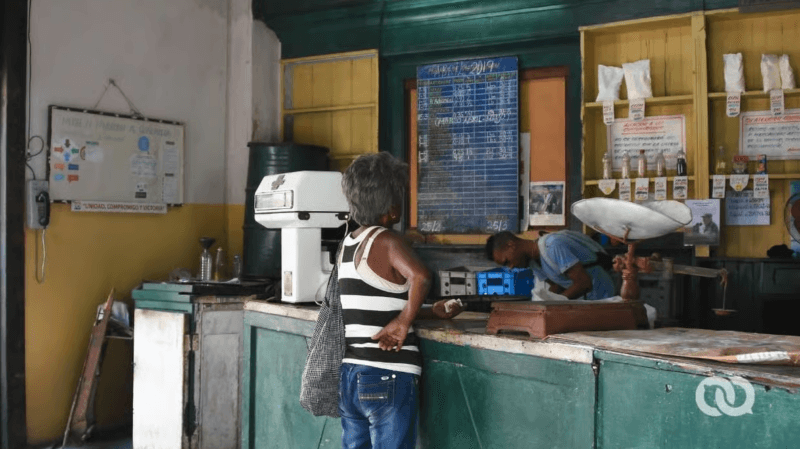
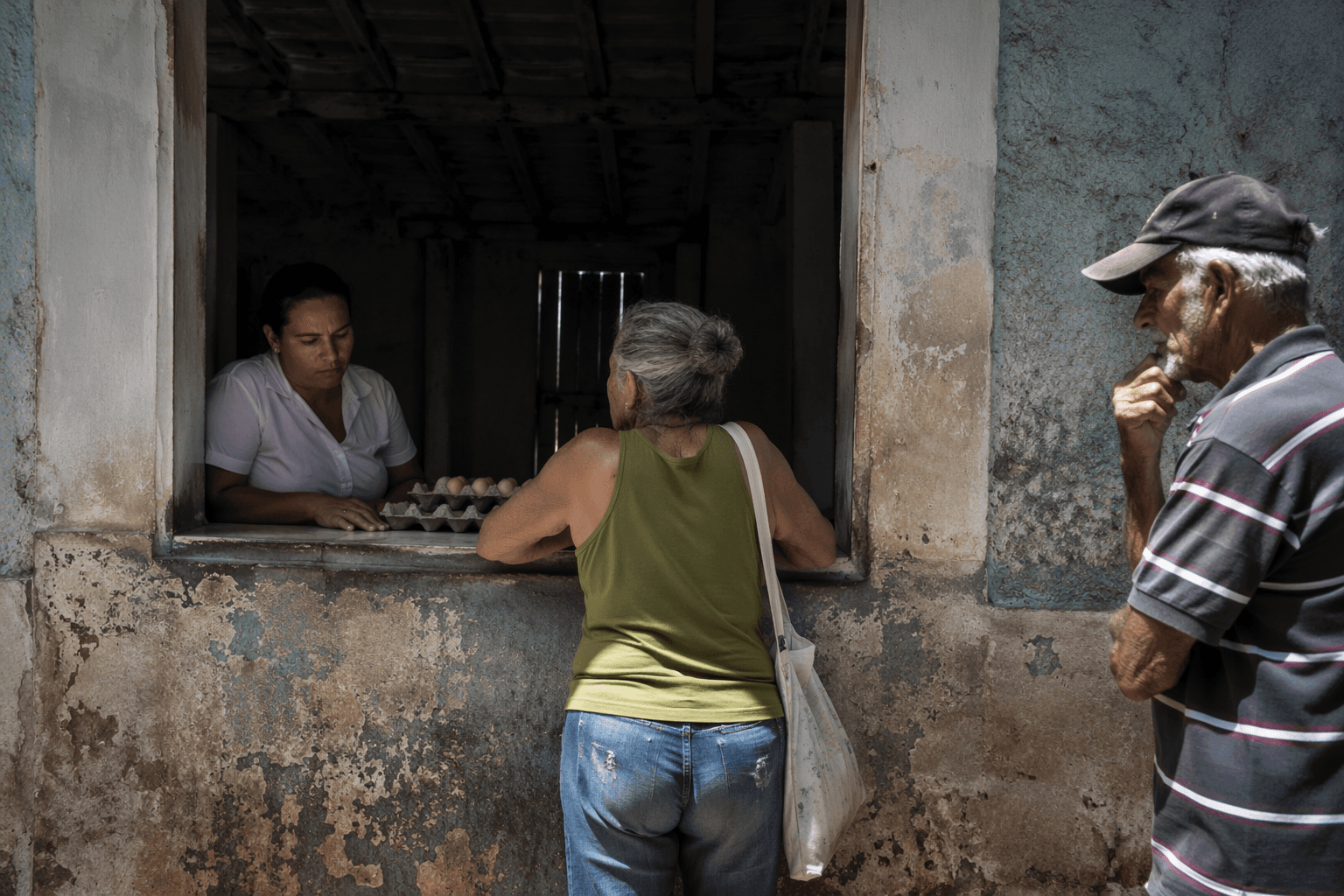
Cuba moved to narrow access to the ration book on June 23, reserving the long-running subsidy system mainly for retirees, people with chronic illnesses and others the state deems especially vulnerable. For families left out, the change means replacing a small basket of subsidized staples with full-price purchases in a market where shortages and inflation already squeeze daily budgets.
The ration book has been part of Cuban life since the 1960s, and it still functions as a basic buffer even after years of shrinking quantities, fewer products and long delays. Access is now tied much more tightly to vulnerability and need.
Manuel Marrero said the next stage of reform is a step-by-step adjustment. First come the prices for economy-wide items such as fuel, electricity, freight, passenger transport and water, and then other products are to follow. The savings from those subsidy cuts will help create a social protection fund, but the procedures, timeline and mechanics remain vague, leaving households to guess how and when any replacement support would actually arrive.
The government wants a more targeted system, but many Cubans still use the ration system simply to soften shortages and keep basic food on the table. Households outside the protected group will have to absorb the loss through already stretched paychecks, substitute goods at higher prices, or go without.
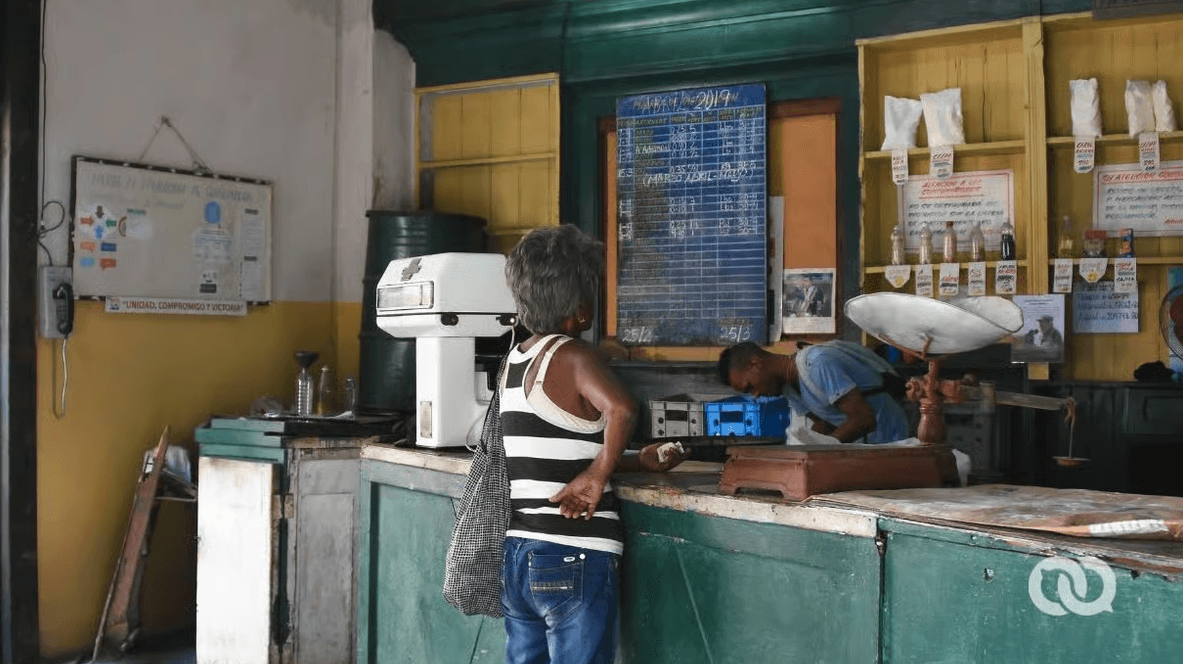
Retirees and people with chronic illnesses are being kept inside the system, while everyone else is being pushed toward the open market, even though large parts of the population are already struggling to afford food, transport and other household necessities.
This article was produced by Prism’s automated news system from verified source data, official records, and press releases, then run through automated quality and moderation checks before publishing. The system is built and supervised by the people who set the standards it runs under. Read our full AI policy.
Did this article answer your question?