Cuba says US talks stalled as UN embargo debate nears
Bruno Rodríguez said Cuba-U.S. talks have stalled, leaving sanctions relief, travel and other openings farther out as Havana heads into a July 7 UN embargo fight.
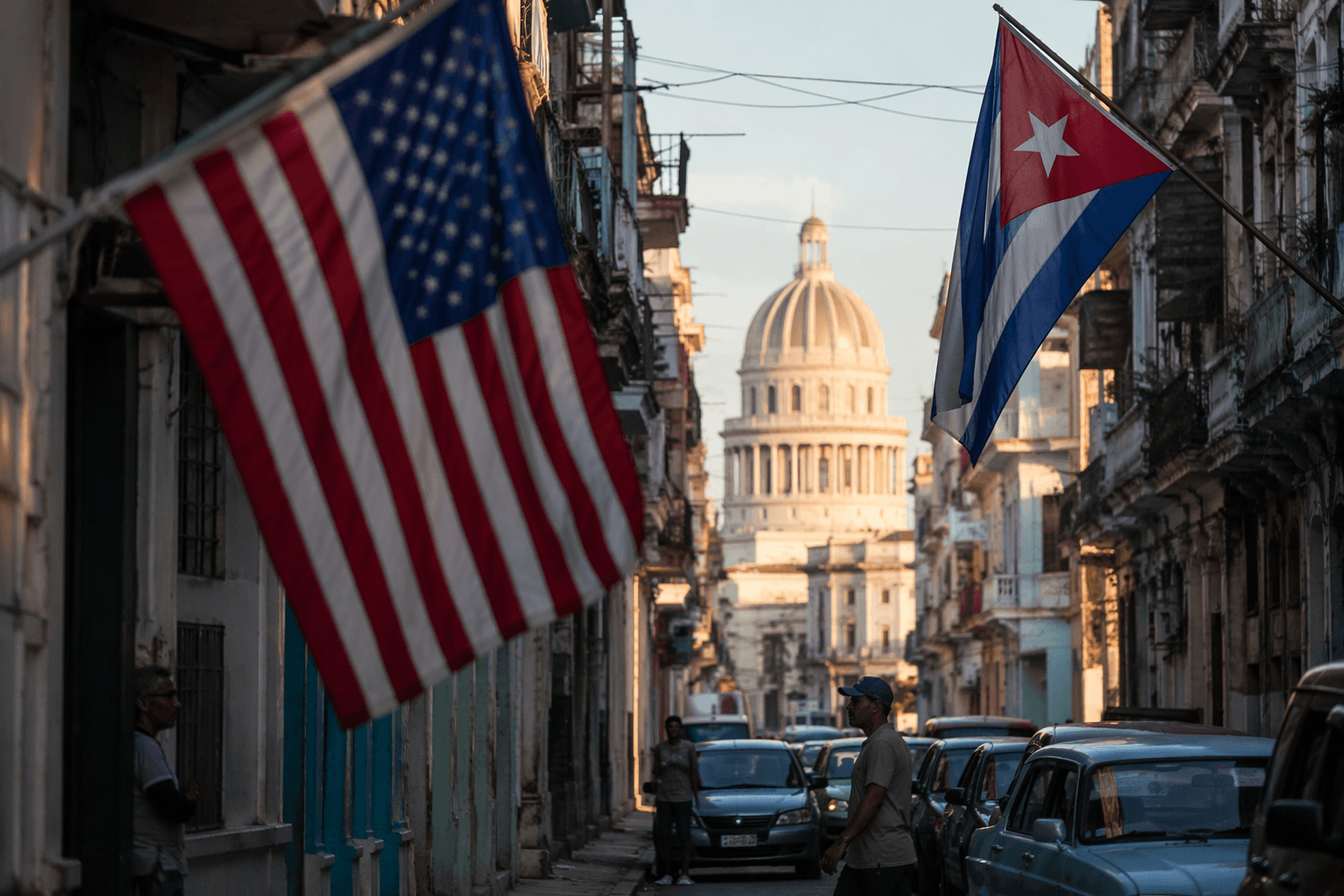
Bruno Rodríguez said in Havana on June 30 that Cuba’s talks with the United States, which began earlier this year, had stalled, and he made clear that the island’s June free-market reforms were not part of those discussions. He called the reforms “a matter of total and absolute sovereignty,” a line that draws a hard boundary around Cuba’s domestic overhaul while the U.S. channel stays frozen. The immediate consequence is blunt: any near-term opening on sanctions, migration, travel, remittances or basic diplomatic contact now looks farther away.
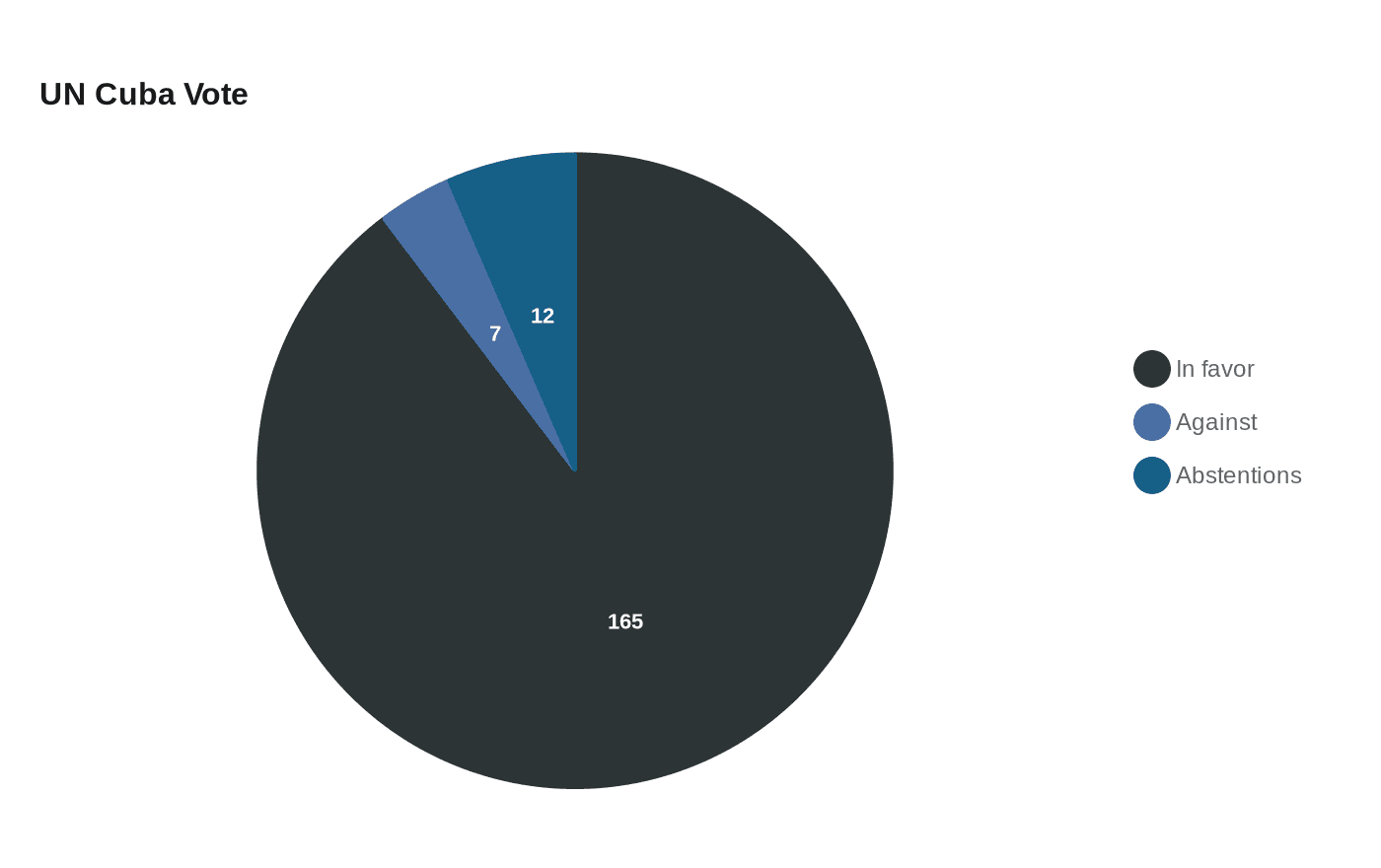
Rodríguez tied that deadlock to the next round of Cuba’s long-running fight at the United Nations. A floor debate on the U.S. embargo is scheduled for July 7, and it will come before the annual General Assembly vote that Cuba uses to press for an end to Washington’s sanctions. The assembly has taken up the issue for 33 straight years, and in its October 29, 2025 vote it backed the resolution by 165 in favor, 7 against and 12 abstentions. The countries voting no were the United States, Israel, Argentina, Hungary, Paraguay, North Macedonia and Ukraine. The vote is non-binding, but Havana treats it as a political barometer, and Rodríguez accused the U.S. State Department of pressuring and intimidating member states to delay the debate.

Washington, meanwhile, has kept tightening the screws. The State Department says President Donald Trump issued Executive Order 14404 on May 1, 2026, and used it to justify a new round of Cuba sanctions. The department announced sanctions on Cuban military instrumentalities on June 4, on Unión Cuba-Petróleo on June 11, and on Cuba’s revenue-generation network on June 23. In its own framing, the U.S. is targeting the regime’s money machine and repression apparatus, not signaling any appetite for a reset.
That is the backdrop for Cuba’s own emergency moves. In June, lawmakers approved nearly 200 free-market reforms aimed at helping the island cope with a severe economic crisis, while tourism has been under heavy pressure. But the stalled talks with Washington leave those reforms isolated from any broader diplomatic opening. For now, Havana is headed into the July 7 debate with a louder U.N. argument and a colder bilateral channel, and that is exactly the kind of stall that keeps sanctions, travel and remittance questions locked in place.
This article was produced by Prism’s automated news system from verified source data, official records, and press releases, then run through automated quality and moderation checks before publishing. The system is built and supervised by the people who set the standards it runs under. Read our full AI policy.
Did this article answer your question?