Cuba turns traditional bohíos into a rural tourism draw
Cuba’s bohíos are moving from rural icon to tourism product, with farms selling food, nature and a closer look at countryside life.
The bohío is becoming the experience
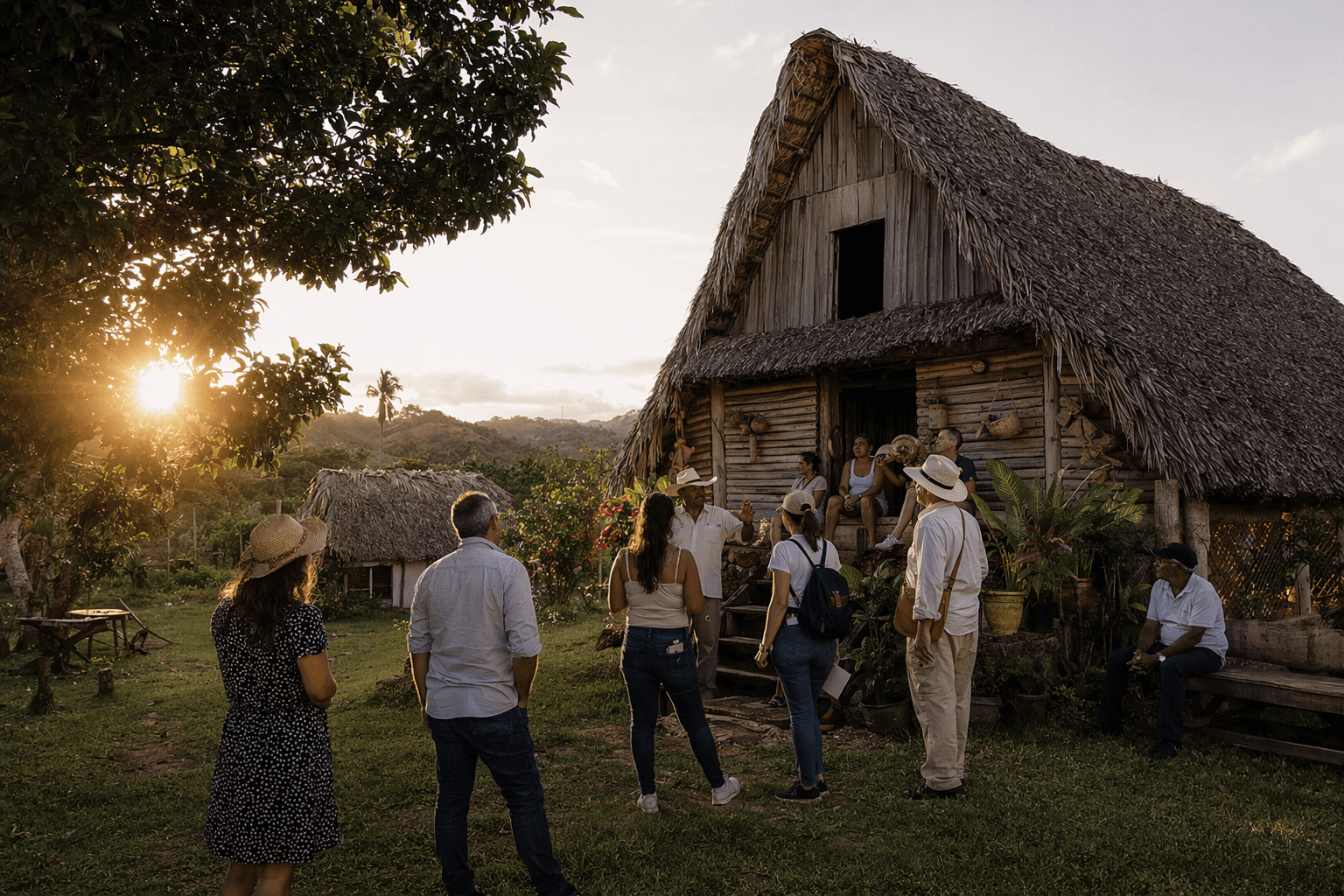
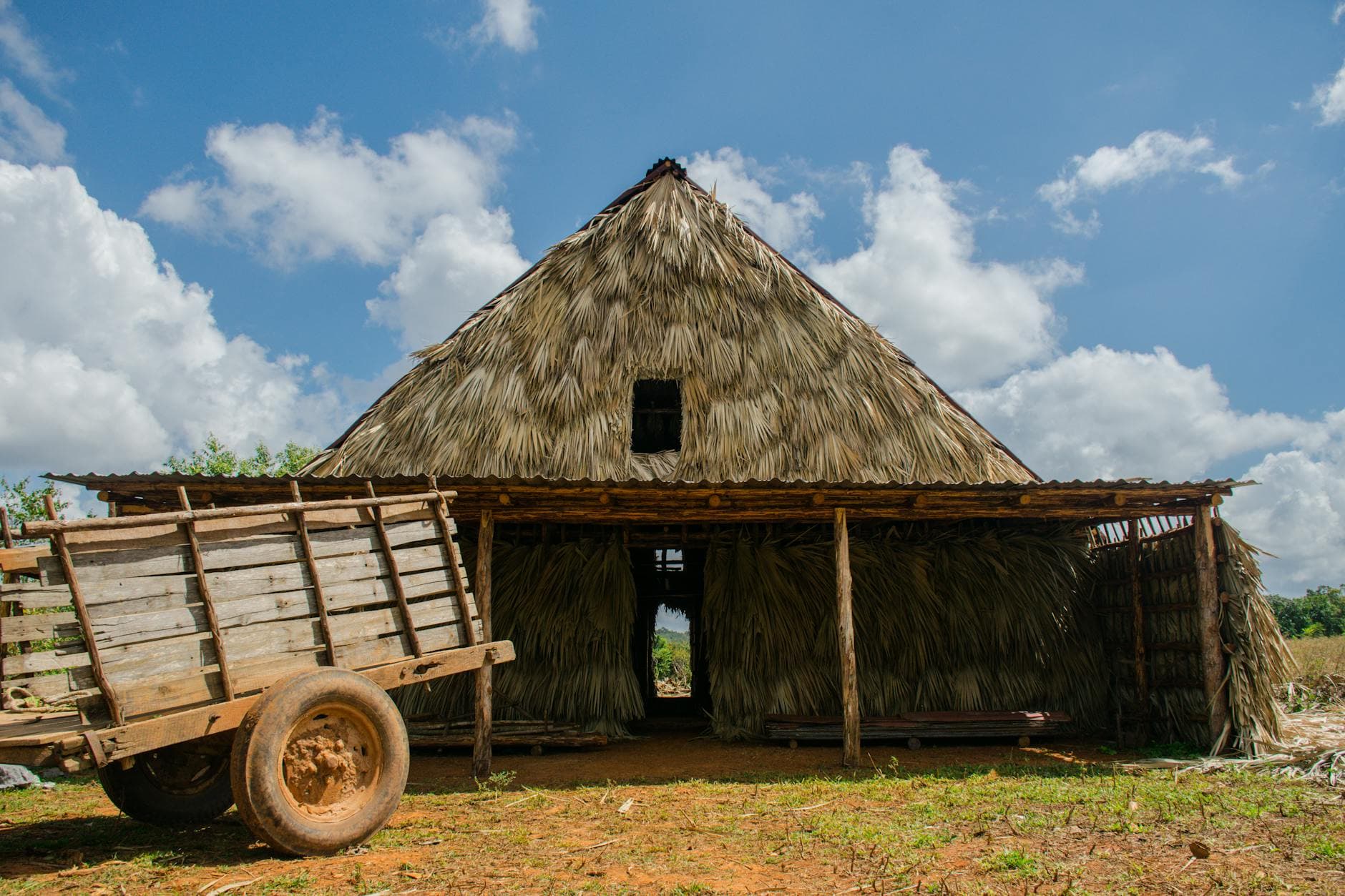
The strongest argument for Cuba’s rural tourism push is not a brochure image. It is the way a traditional bohío now functions as the main attraction, especially for travelers who want something more grounded than a sun-and-beach package. At Finca Vista Hermosa in Bacuranao, the draw is the setting itself: guano-and-wood structures, local food and direct contact with the countryside, all wrapped into a visit that treats rural life as the product, not the backdrop.
That matters because it changes what “authenticity” means on the island. Here, authenticity is not a vague label attached to a rustic room or a decorative farmhouse. It comes through in the architecture, in the food sold on site, and in the way the farm is presented as a living piece of agrarian history rather than a staged theme. Raúl Reloba, the farm’s general coordinator, describes the project as a locally important development initiative, and the farm has even hosted state visits.
Vista Hermosa: from rural symbol to working destination
Finca Vista Hermosa has become one of the clearest examples of how this model works in practice. The farm draws dozens of travelers every weekend, and what they are seeking is not isolation for its own sake but immersion in a countryside setting that still feels connected to daily production. Visitors can buy buffalo yogurt, goat cheese and other goods on the farm, turning the trip into something part outing, part food stop and part lesson in how local production can anchor a destination.
The farm’s role goes beyond hospitality. FAO materials show that Vista Hermosa has been part of the agency’s Cuba initiatives since at least 2023, with a partnership aimed at improving goat-milk cheese production and diversifying dairy products. FAO travel material also placed the farm inside the 1,000 Digital Villages Initiative, which gives the site a broader development frame: it is not just receiving visitors, it is being used to connect tourism, technology and rural livelihoods.
Cuba is widening the model beyond Havana
What is happening at Vista Hermosa is not an isolated experiment. In Pinar del Río, officials say more than 200 farms have been identified for rural tourism development, and more than 60 are already contracted in Viñales. That scale is important, because it shows rural tourism is no longer being treated as a side option. It is being organized as a sector, with farms becoming part of a larger tourism map that reaches beyond Havana and the traditional resort corridor.
The 10th Ibero-American Meeting on Rural Tourism helped sharpen that direction. The promotion linked to the event included visits to five farms and a guided ECOTUR program, making the case that rural tourism can be sold through landscape, production and guided interpretation rather than through mass-volume travel. A Joint SDG Fund piece went one step further, describing agrotourism in Pinar del Río as a financial solution that can help support biodiversity conservation.
That combination, farm income plus environmental value, is one reason the region matters. In a country trying to broaden its tourism offer, the farm visit is being framed not just as leisure but as a tool for rural development, conservation and local business survival.
Santa Clara and the hotel sector are adapting too
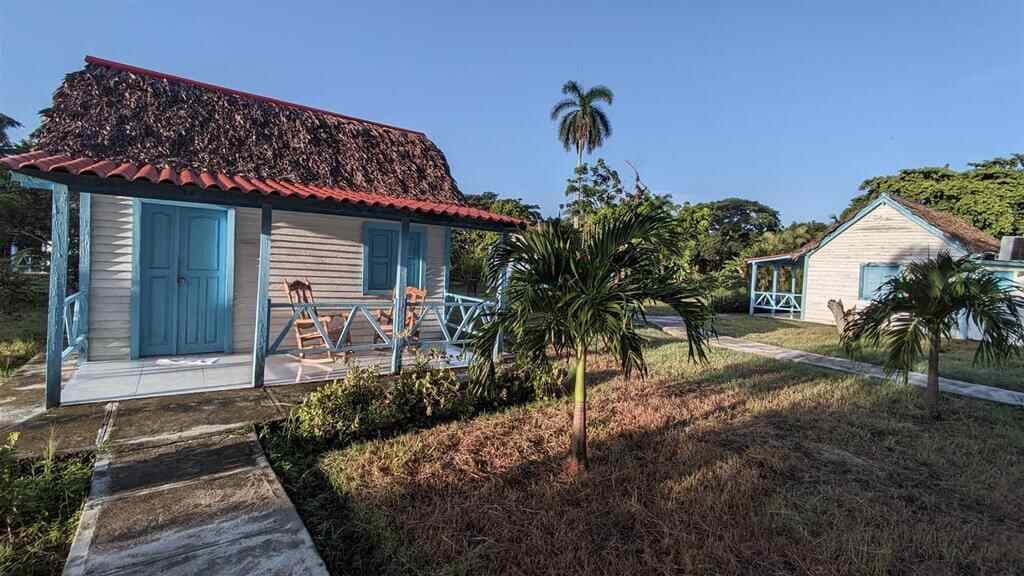
The shift is not confined to private or farm-based projects. Cubanacán has also adjusted to the trend through Horizontes La Granjita in Santa Clara, where the official positioning emphasizes circuit tourism and excursions in a Cuban rural environment. The property’s bungalow-style rooms are modeled after campesino bohíos, which shows how the concept is being translated into hotel product as well as farm experience.
That adaptation is revealing. Instead of competing only on beach access or city convenience, the property leans into the appeal of the countryside itself. The message is clear: rural Cuba is no longer being marketed as what sits outside the destination. It is being sold as the destination.
Camagüey pushes the model toward learning and hands-on activity
Camagüey gives the clearest sense of how far the idea can stretch. Finca La Liliana blends silvopastoral systems, agroecology, biodiversity conservation and rural tourism into a single stay, and a 2024/2025 academic abstract says the farm has had an integral management plan since 2021 covering agricultural, livestock, forestry and tourism programs. That makes the visit feel less like a simple overnight stop and more like an introduced way of understanding how the countryside works.
The educational angle is even more visible at Finca El Justo, also in Camagüey, where visitors can fish with bamboo rods and cook products directly from the garden. The experience turns participation into the selling point. Rather than observing rural life from a distance, travelers are invited into tasks and routines that connect food, labor and landscape in a single visit.
Why the timing matters now
The push toward these offerings lands at a moment when Cuba’s tourism numbers have been under pressure. Official tourism statistics released in 2025 showed international arrivals down about 25% in the first half of the year, with 981,856 visitors reported through June. Another 2025 report based on ONEI data said Cuba had 496,858 travelers by February, including 374,267 international visitors, down 29.1% year over year.
That decline helps explain why lower-cost, experience-driven, and more locally rooted products are getting more attention. The island is not just looking for more visitors. It is looking for new reasons to travel within Cuba’s own geography, especially reasons that can be delivered without relying on the classic resort model.
The real shift, then, is not simply that bohíos are being restored or repackaged. It is that they are being turned into places where travelers can eat, learn and move through the countryside in ways Havana and the beach strip cannot replicate. That is where the bohío becomes more than a symbol. It becomes the experience itself.
Know something we missed? Have a correction or additional information?
Submit a Tip