Cuba urged to cut Russia and China ties, free prisoners for deal with Washington
Cuba’s next opening to Washington may hinge on a hard bargain: break with Moscow and Beijing, free more prisoners, and hope sanctions relief follows.
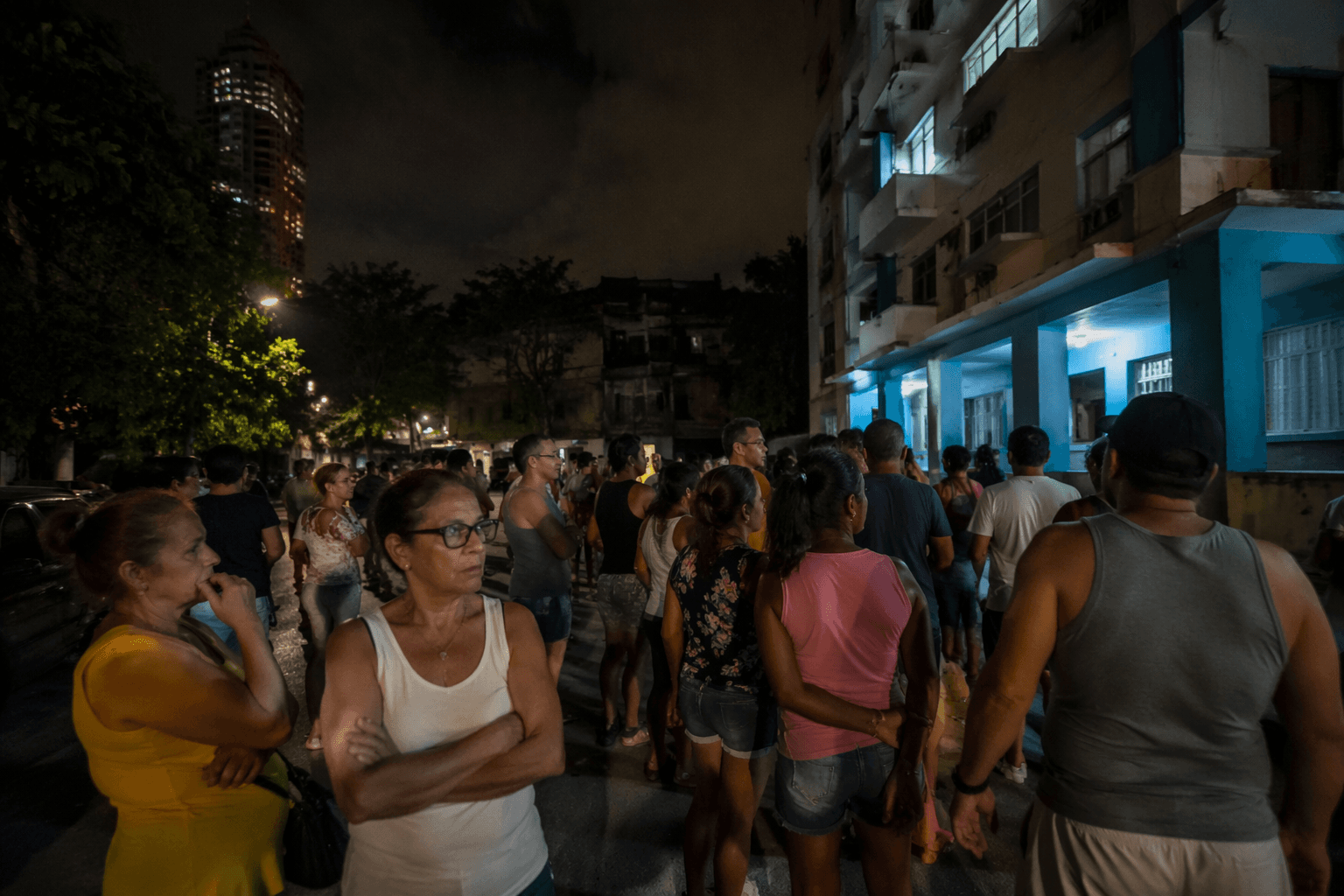
Cuba’s economic squeeze is now so severe that a new opening to Washington is being framed less as diplomacy than as a survival trade. Tymofiy Mylovanov, citing Foreign Affairs, said Havana may have to sever its links with Russia and China and release more prisoners if it wants a deal, while the island’s economy slides in what Foreign Affairs called “free fall” without access to foreign oil. For a country of about 11 million people, the pressure point is immediate: blackouts, food shortages and a fuel crisis have made basic life harder across Cuba.
The White House sharpened that pressure again on May 1, 2026, when it issued an executive order imposing sanctions on people responsible for repression in Cuba and on those seen as threatening U.S. national security and foreign policy. The signal was clear: Washington is still willing to tighten the screws, not just talk about them. That leaves Havana with a narrow lane if it wants relief, and the lane runs through prisoners, political repression and the island’s foreign alignments.
There is a recent precedent for that kind of bargain. In January 2025, the Biden administration removed Cuba from the U.S. state sponsor of terrorism list as part of a Vatican-mediated deal. Havana agreed to free 553 prisoners, and the release was completed on March 10, 2025. Human Rights Watch said independent Cuban NGOs estimated that about 200 of those freed were political prisoners, but hundreds of Cuban government critics still remained behind bars.
The prison issue is inseparable from the deeper rights record. U.S. State Department and Human Rights Watch reporting in 2024 and 2025 described arbitrary detention, harsh prison conditions and severe repression in Cuba, including continuing arrests tied to the July 11 protest sites in Cuba after the 2021 unrest. Human Rights Watch has said the government continues to detain protesters and suppress dissent, even after the 2025 prisoner release.
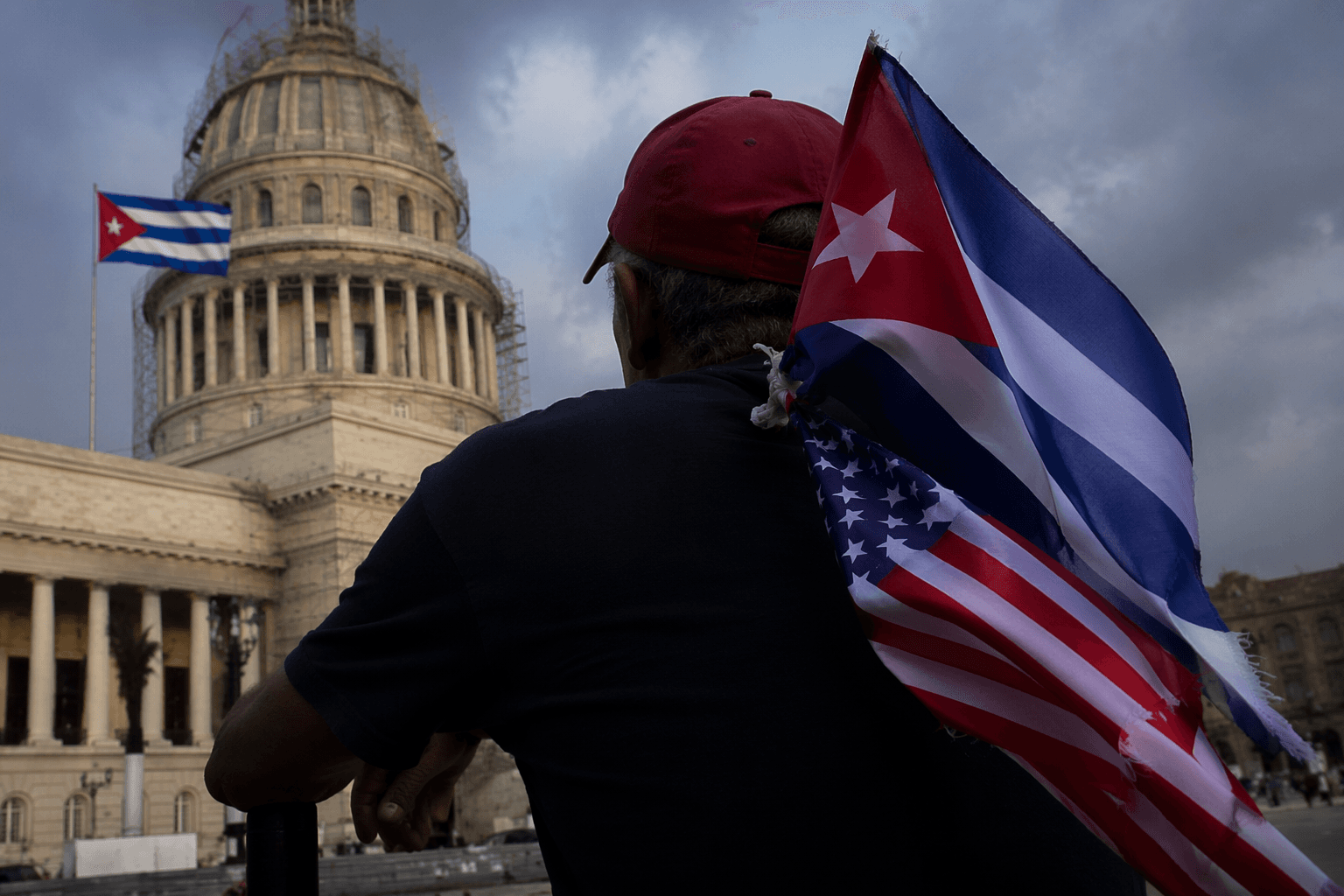
The foreign-policy angle is just as fraught. CSIS said in December 2024 that it identified four sites in Cuba likely supporting China’s intelligence collection efforts against the United States. On February 5, 2026, China’s foreign minister said Beijing firmly supports Cuba and opposes outside interference. In May 2026, Russia said it would provide Cuba “active support” amid U.S. sanctions pressure. That leaves Havana boxed in: any real sanctions-relief bargain would have to involve more than rhetoric, and Washington would have to decide whether it can still deliver enough relief to make Cuba walk away from Moscow and Beijing.
This article was produced by Prism’s automated news system from verified source data, official records, and press releases, then run through automated quality and moderation checks before publishing. The system is built and supervised by the people who set the standards it runs under. Read our full AI policy.
Know something we missed? Have a correction or additional information?
Submit a Tip