Cuba urges UN help as U.S. pressure threatens humanitarian crisis
Bruno Rodriguez Parrilla pressed the Security Council for more than sympathy, as Havana warned fuel cuts and sanctions could deepen blackouts, shortages, and a wider humanitarian crisis.
Bruno Rodriguez Parrilla went to the United Nations Security Council with a blunt test for the world: would Cuba get anything concrete beyond concern. He argued that U.S. pressure and an energy blockade were pushing the island toward a humanitarian catastrophe, and he urged the international community to mobilize before the situation turned disastrous. The message was not about abstract diplomacy. It was about whether Cuba could secure solidarity, supplies, emergency financing, or even enough political backing to slow the squeeze on fuel, medicine, and daily life.
The appeal landed in the middle of a fast-escalating confrontation. In May 2026, the Trump administration imposed new sanctions on Cuban officials and agencies, while Secretary of State Marco Rubio continued to frame Washington’s policy as pressure on Cuba’s political system rather than a simple economic dispute. Cuban officials also pointed to a week of rising tension that included the indictment of former president Raúl Castro and fresh warnings about the risk of broader escalation. After Rodriguez spoke, President Miguel Díaz-Canel publicly praised the intervention as a defense of Cuba against U.S. aggression.
The United Nations had already been sounding alarms. On February 13, 2026, the UN Human Rights Office said it was “extremely worried” about Cuba’s deepening socio-economic crisis, citing the decades-long embargo, extreme weather, and recent U.S. measures restricting oil shipments. On February 5, the UN warned of a potential humanitarian collapse after Washington moved to block oil supplies to the island. UN human rights experts also condemned a January 29, 2026 executive order from the U.S. president that they said authorized tariffs on oil imports from third countries to Cuba, calling it a fuel blockade.
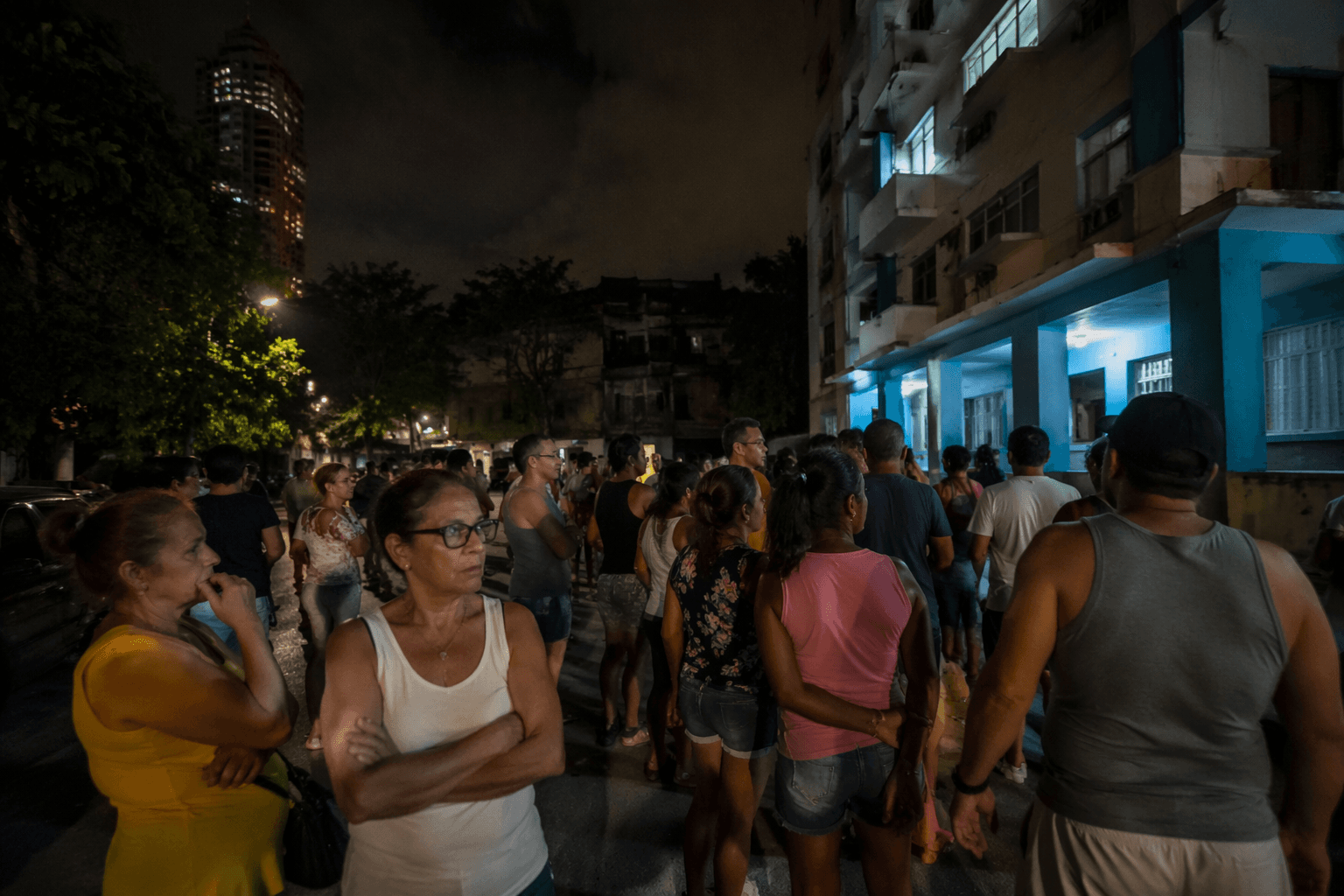
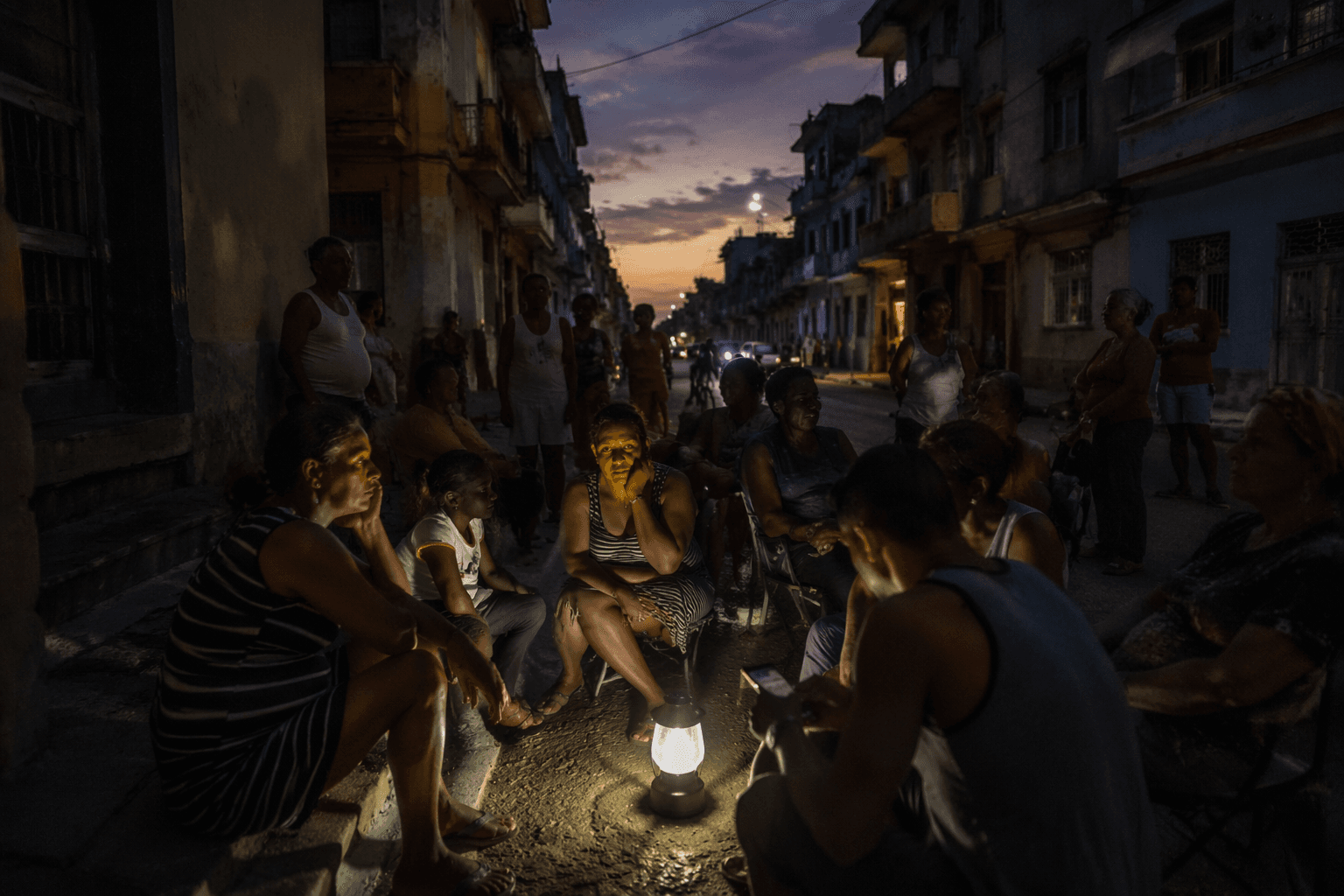
The pressure was visible on the ground. Reporting in May 2026 said blackouts in parts of Havana were lasting up to 22 hours a day, while Energy Minister Vicente de la O Levy said Cuba had no crude oil, no fuel oil, and no diesel, with only limited domestic gas production available. That is the reality behind Rodriguez’s appeal: a diplomatic fight over sanctions that is already showing up in dark homes, stalled transport, and thin supply lines.
Cuba’s case also sits against the broader UN record. On October 29, 2025, the General Assembly again called for an end to the U.S. embargo on Cuba for the 33rd consecutive year, even as the balance shifted somewhat. Rodriguez’s Security Council intervention showed Havana trying to turn that long-running opposition into practical relief. The question now is whether the humanitarian language will translate into shipments, money, or backing before the island’s shortages deepen further.
This article was produced by Prism’s automated news system from verified source data, official records, and press releases, then run through automated quality and moderation checks before publishing. The system is built and supervised by the people who set the standards it runs under. Read our full AI policy.
Know something we missed? Have a correction or additional information?
Submit a Tip