Cuba warns of possible U.S. military strike, urges nation to prepare
Díaz-Canel tied Revolution Day to an open warning of conflict as blackouts, shortages and U.S. pressure collide in Havana.
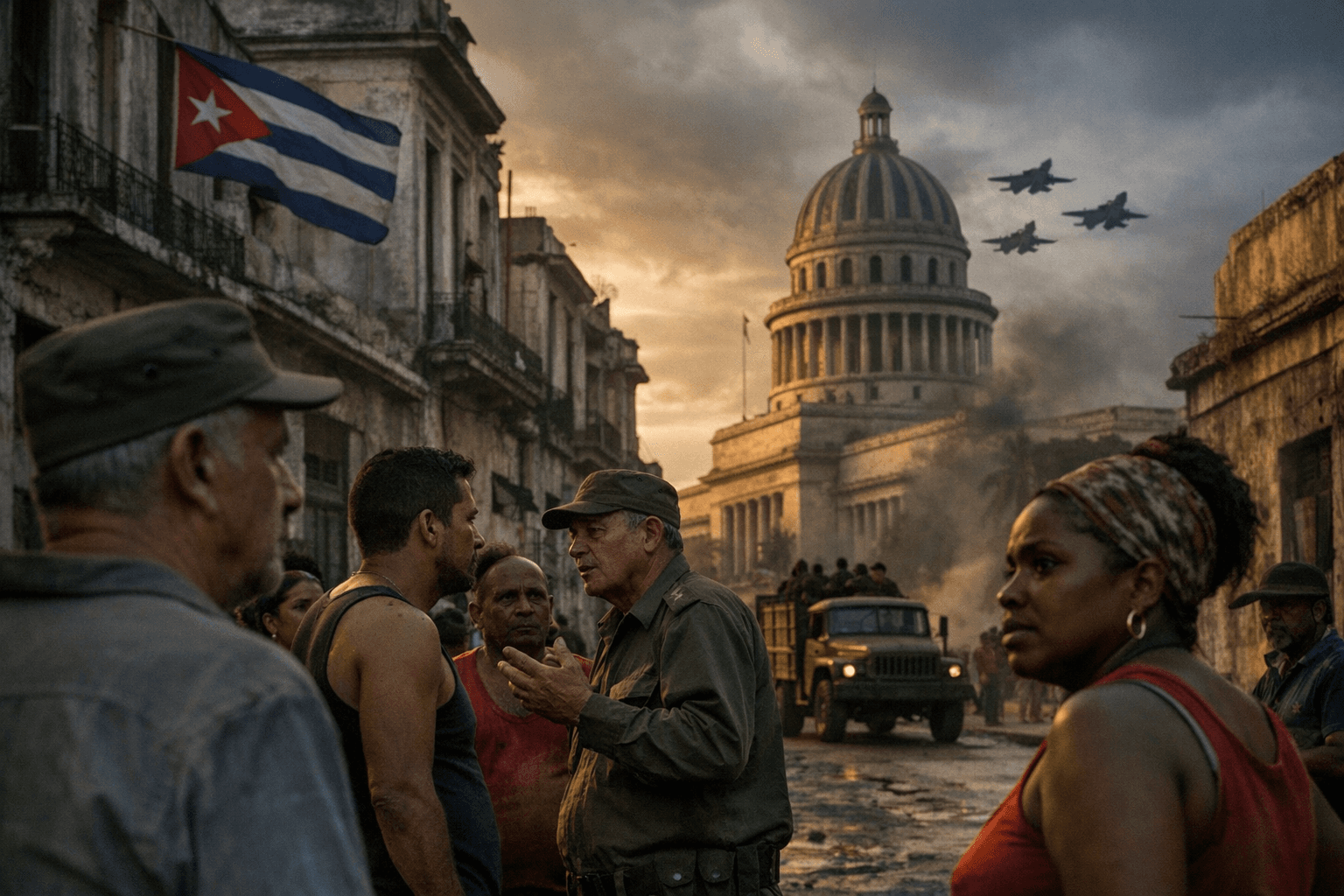
Miguel Díaz-Canel turned Havana’s Revolution Day rally into a direct warning that Cuba now sees a U.S. military strike as a real possibility, a sharper line than the government’s usual complaints about sanctions and pressure. Speaking at Plaza de la Revolución on April 16, the Cuban president marked the 65th anniversary of the proclamation of the socialist character of the revolution and urged the country to be ready to defend itself.
That message matters because it pushes Cuban state rhetoric past the familiar economic siege narrative and into open talk of armed confrontation. Cuban officials have warned before about Washington’s hostility, but this speech was different in tone and timing. It came as state media linked the moment to Girón and framed socialism as “the shield of the present and the guarantee of the future,” a deliberate call to revolutionary memory rather than a routine political speech.
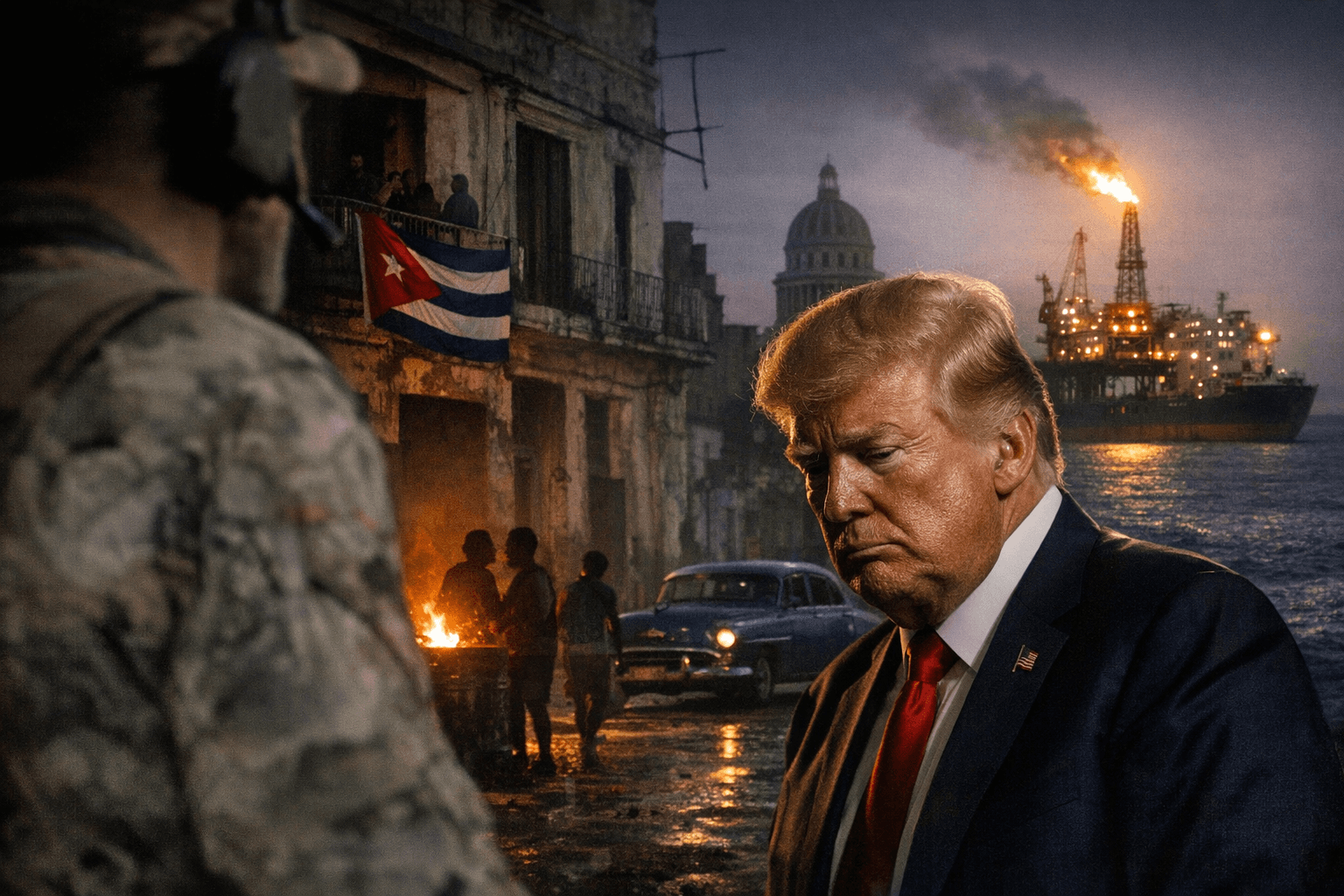
The hardening was not one-sided. The White House said in January that Cuba constituted an unusual and extraordinary threat to U.S. national security and foreign policy, and it reissued NSPM-5 in June 2025, keeping tighter restrictions on transactions tied to the Cuban military and on U.S. travel. Congressional Research Service also noted that Donald Trump reversed Biden-era Cuba changes on January 20, 2025, after Biden had announced them days earlier on January 14. U.S. Southern Command and the U.S. Navy declined to discuss any response or contingency planning, leaving the public face of the U.S. military deliberately opaque.
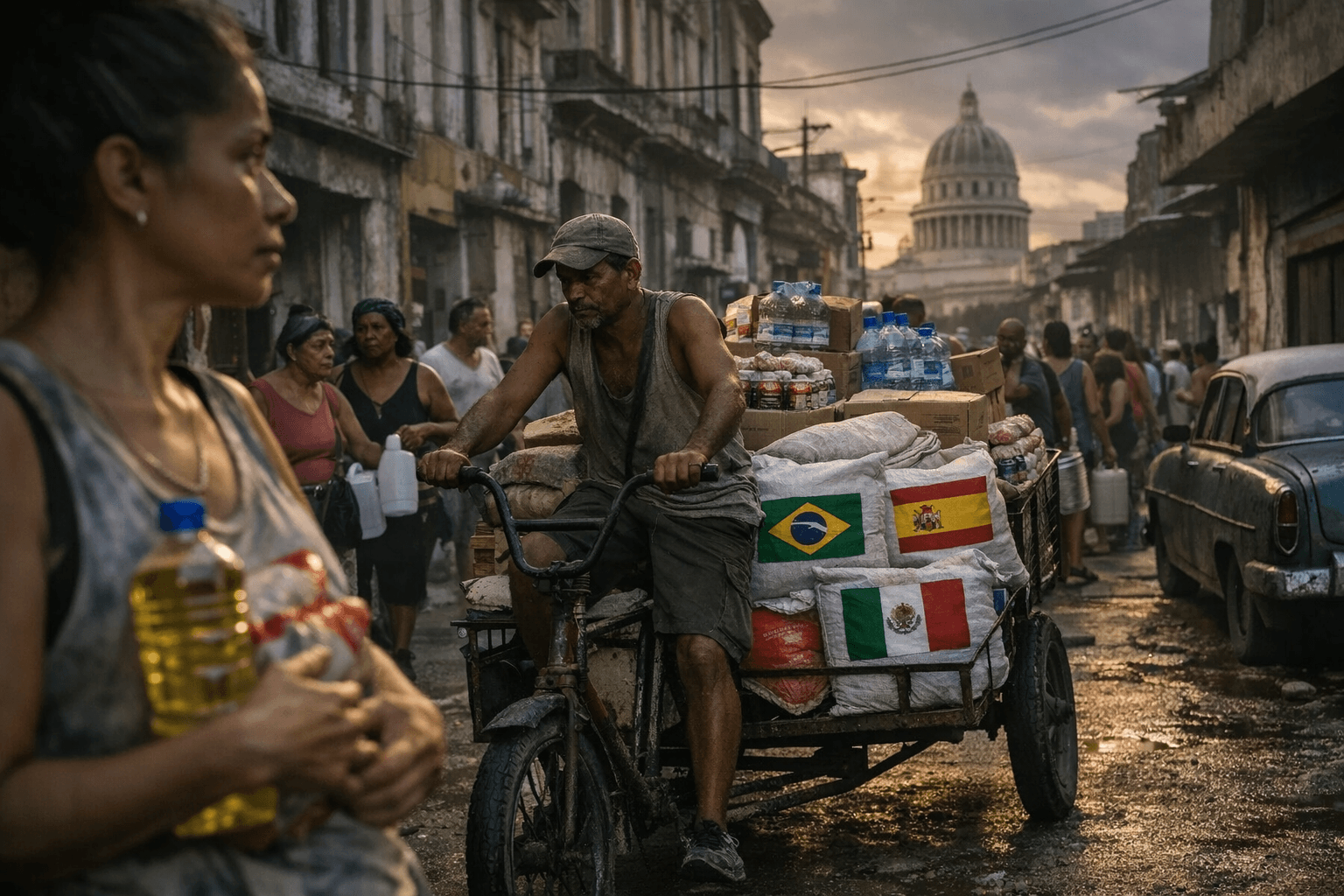
The setting inside Cuba helps explain why Díaz-Canel chose this moment. The United Nations said Cuba received only 730,000 barrels of crude oil on April 2, enough for roughly nine to ten days of demand, after going three months without a shipment. OCHA said the island’s electrical system disconnected three times in March, while the UN said more than 96,000 surgeries remain pending, including 11,000 for children, and roughly one million people depend on water trucking. In that context, even a warning about possible war lands on a country already stretched thin by blackouts, fuel scarcity and public-health strain.
The date also carried a heavy historical charge. April 16 was the eve of the Bay of Pigs confrontation in 1961, when about 1,500 Cuban exiles backed by the CIA invaded the island; more than 100 were killed or drowned and about 1,200 were captured. Only about 200 veterans remain today. By invoking that memory while warning of a possible strike now, Díaz-Canel was not just repeating a familiar slogan. He was testing whether Washington’s pressure is being read in Havana as real threat, or whether external danger is being used to rally support during a domestic crisis that is already reshaping daily life across the island.
Know something we missed? Have a correction or additional information?
Submit a Tip