Cuban doctors’ exit leaves patients stranded in Venezuela clinics
Patients in eastern Caracas were turned away when Cuban specialists left a public clinic, exposing how U.S. pressure on Havana is shrinking care in poor Venezuelan neighborhoods.
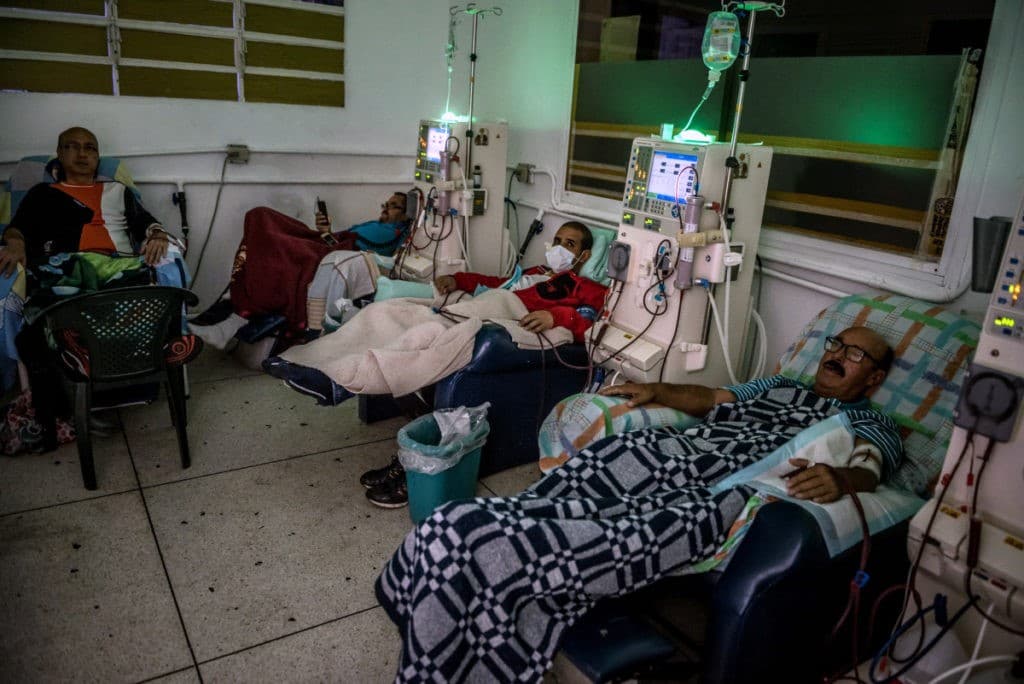
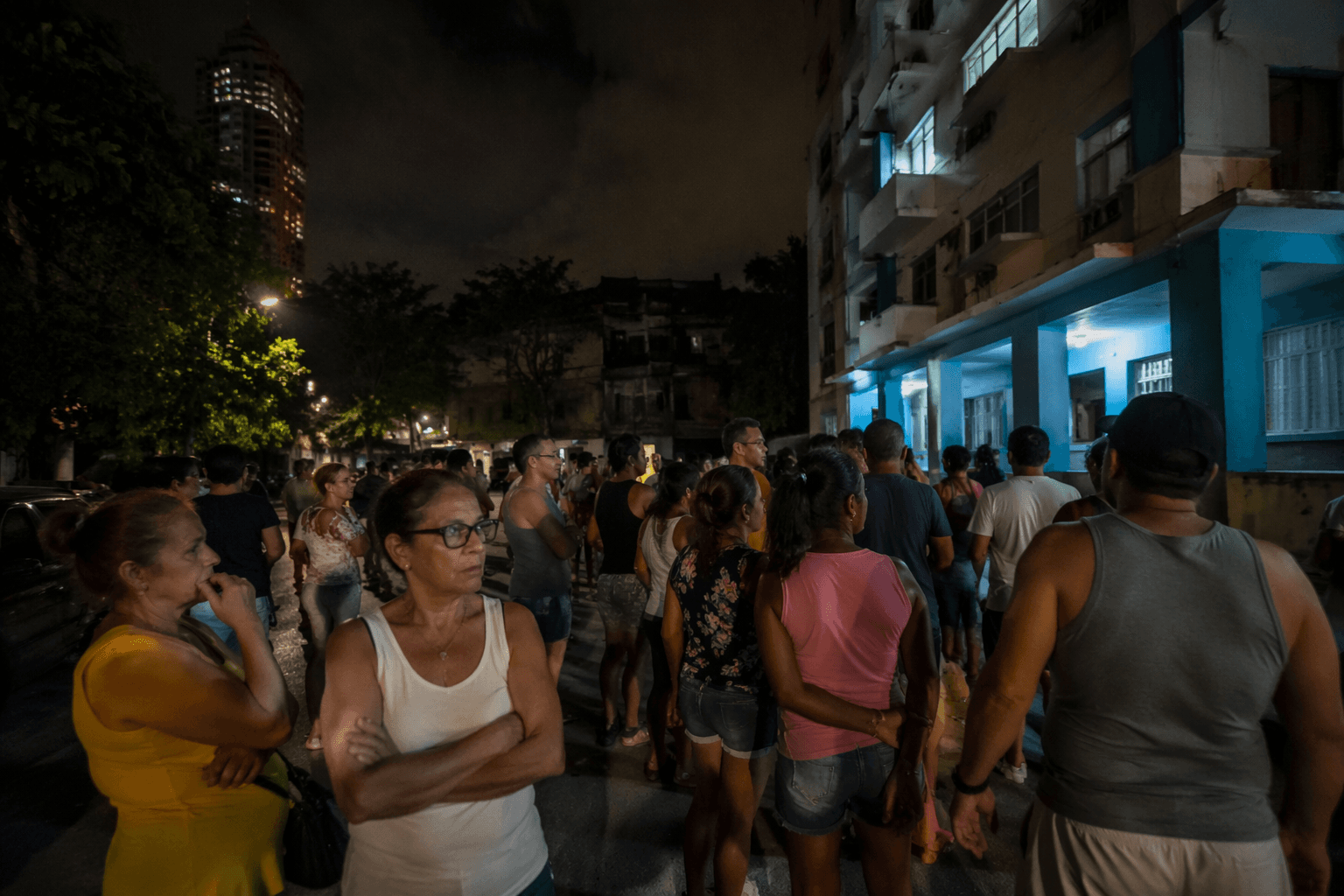
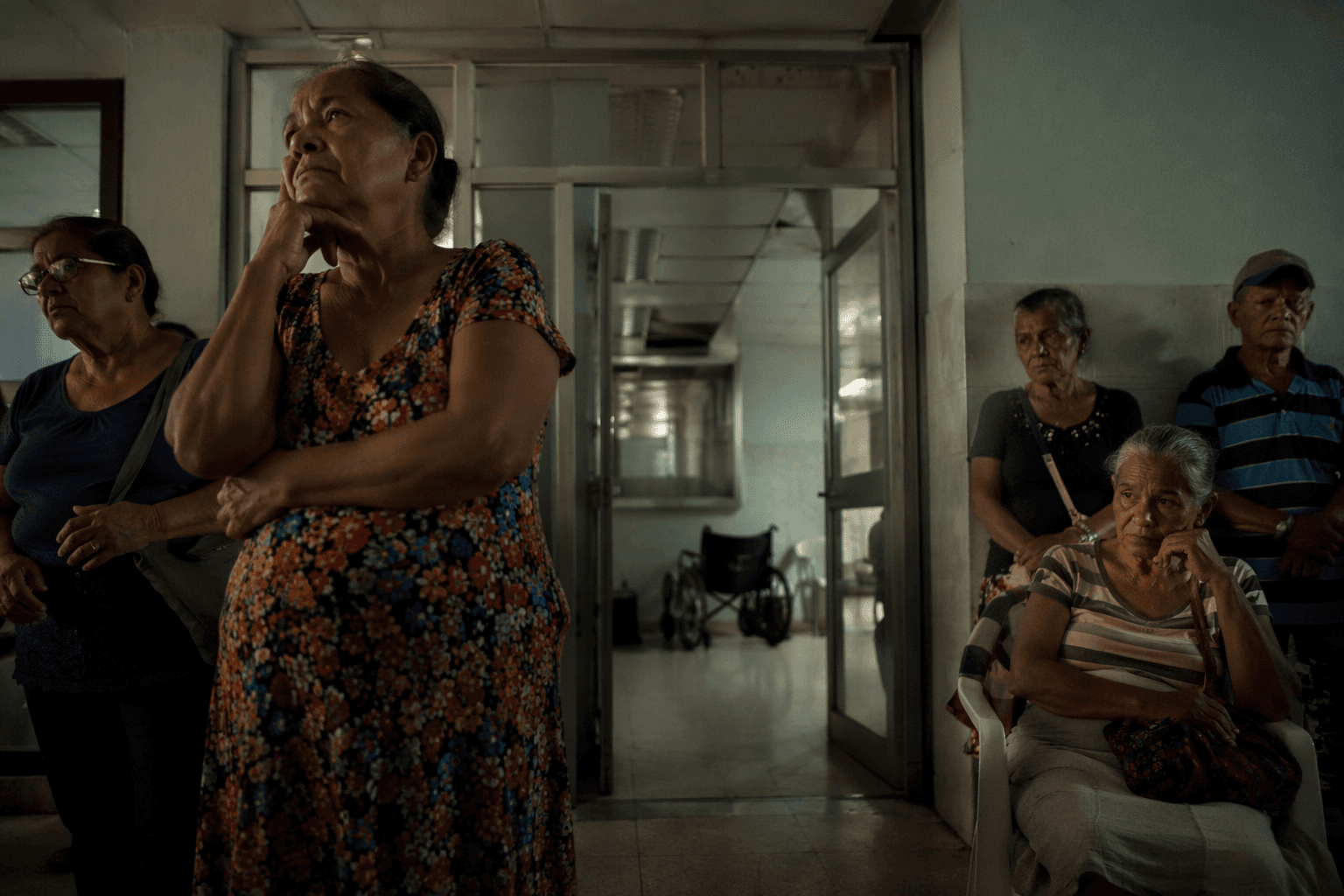
Patients walked into the Salvador Allende Integral Health Center in eastern Caracas at the end of April and found the service they needed gone. The Cuban specialists had left, and for people in poorer neighborhoods that depended on the public clinic, the gap was immediate: no replacement, no backup, and no easy alternative nearby.
That scene made the broader fight over Cuba concrete in Venezuela. The U.S. campaign to choke off revenue flowing into Havana has not only tightened pressure on the Cuban government and its medical-export program, it has also removed care options for people who relied on Cuban staff to fill shortages in Venezuela’s health system. In practice, that has meant missed diagnoses, postponed procedures and patients being turned away when specialist care was no longer available.
Cuban medical cooperation has long been one of Havana’s most important tools abroad, bringing hard currency and political influence while helping fill thin staffing in public clinics across Latin America and the Caribbean. In Venezuela, that role had been especially visible. Reporting in 2026 estimated about 14,000 Cubans remained on mission there, down sharply from an official 2019 estimate of 29,505 Cubans in Venezuela, including 20,000 medical personnel. That drop underscores how much capacity has already been stripped out of the system.
The pressure has come from Washington on multiple fronts. The White House issued a sanctions action on May 1, 2026, expanding penalties and financial restrictions on Cuban regime officials and entities, after a January 2026 Cuba policy directive described Cuba as a threat to U.S. national security and foreign policy. The U.S. Department of State has also expanded visa restrictions to people involved in Cuba’s labor-export program, including overseas medical missions. The department says that program brings in an estimated $6 billion to $8 billion a year and that it documented government-affiliated Cuban workers in 56 countries.
That is why the fallout in Caracas matters beyond one clinic. The Salvador Allende Integral Health Center became a warning sign for what happens when specialists leave and no one fills the gap: public care in poor areas gets thinner, access gets slower and the people with the least power are left to absorb the cost.
This article was produced by Prism’s automated news system from verified source data, official records, and press releases, then run through automated quality and moderation checks before publishing. The system is built and supervised by the people who set the standards it runs under. Read our full AI policy.
Know something we missed? Have a correction or additional information?
Submit a Tip