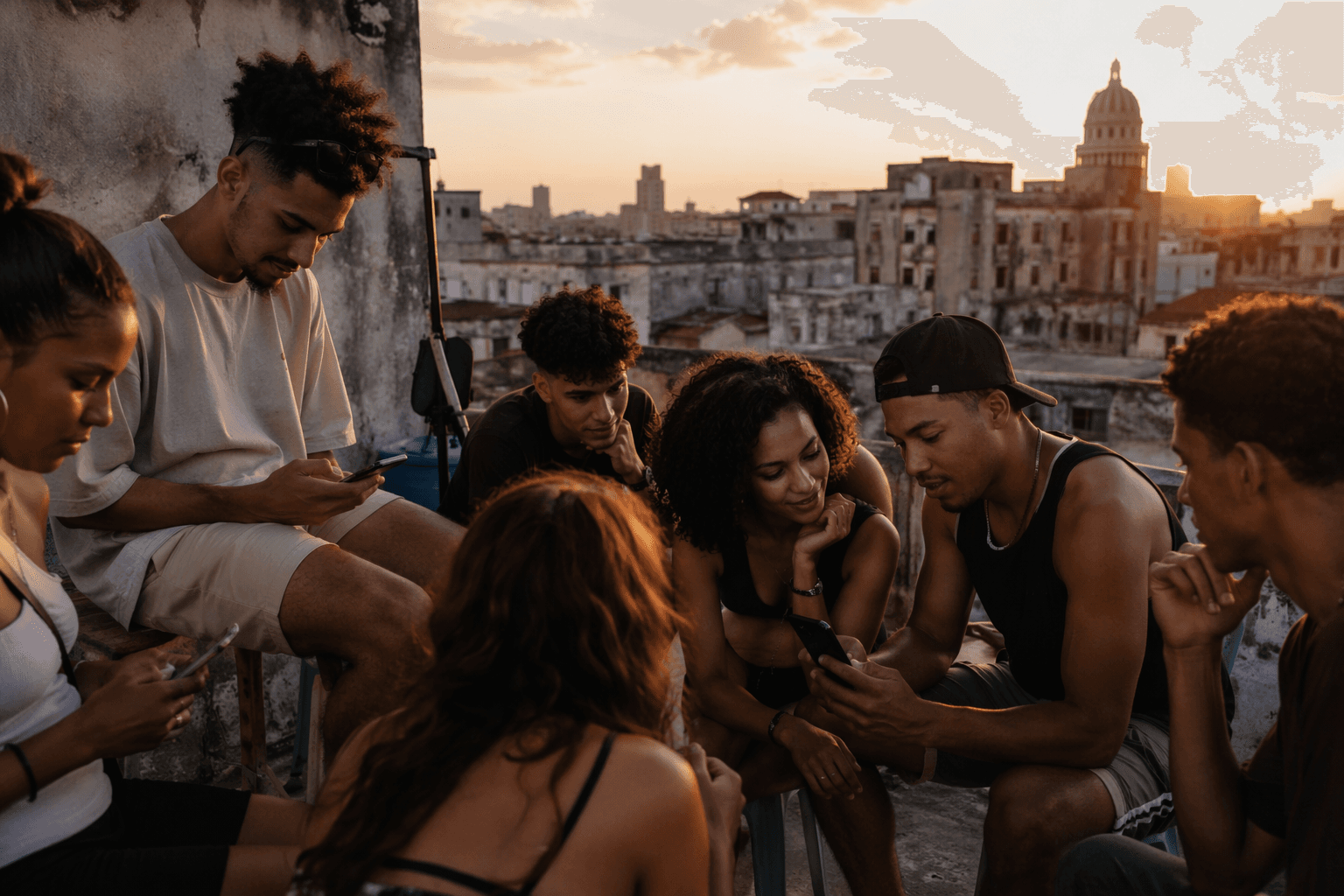
Cuban doctor’s old training photo shows six colleagues have all left medicine
A Cuban doctor’s old class photo showed six young colleagues in training, and all six have since left medicine. The image captures a system losing its own people.

An old training photo posted by a Cuban doctor turned into a harsh ledger of loss: six young colleagues in intermediate-care rotations, and not one still in the island’s health system. The caption, "Out of six brave souls, not one remains," read less like nostalgia than an obituary for a profession Cuba once held up as a national triumph.
That single image says more about Cuban medicine in 2026 than any speech from the health ministry. The six trained together, but they scattered through emigration, burnout, moves into other sectors and, in some cases, a full break from medicine. When an entire cohort disappears, the shortage is no longer a matter of individual frustration; it is a staffing crisis that reaches wards, clinics and operating rooms.

Reuters reported in March that one Cuban doctor with more than 25 years of practice was earning about 8,000 pesos a month, roughly $16 at the unofficial exchange rate, while selling food on the side to get by through blackouts and transport costs. The same reporting put Cuba’s surgical waiting list at 96,000 people, including 11,000 children, and projected it could reach 160,000 by year-end. Doctors described colleagues leaving for small businesses, waitressing and housecleaning because the state salary no longer covered life.
The collapse is happening in a system that still boasts numbers on paper. PAHO said in April 2025 that 14 of 39 countries in the Americas lacked enough doctors, nurses and midwives to meet population needs, and warned the region could face a deficit of 600,000 to 2 million health workers by 2030. Cuba still sat near four times the WHO benchmark for health-worker density, but PAHO also pointed to inflation, medication and supply scarcities, migration and disaster damage, with 385 health facilities affected and severe water shortages in provinces including Artemisa and Havana. It also recorded 23,639 suspected Oropouche cases and 626 confirmed cases as of January 30, 2025.
At the same time, Cuba said 24,000 Cuban doctors and other health professionals were deployed in 56 countries in 2025, a network projected to bring in about $7 billion. Guatemala, Honduras, Jamaica and Guyana ended agreements with Cuba for Cuban doctors, even as the island leaned harder on overseas missions. The old class photo is powerful because it strips away the statistics and leaves the human core of the crisis: six faces that should have filled hospitals at home, and a public system forced to live with the empty spaces they left behind.
This article was produced by Prism’s automated news system from verified source data, official records, and press releases, then run through automated quality and moderation checks before publishing. The system is built and supervised by the people who set the standards it runs under. Read our full AI policy.
Did this article answer your question?