Cuba's elderly face daily survival as crisis erodes social safety net
An 85-year-old Havana bureaucrat waited at home after collapsing because his son had no fuel, a small scene that captures Cuba’s wider collapse.

Sagrado Armando Garcia collapsed at home in Havana and could not get quickly to a hospital because his son did not have fuel for the family car. The 85-year-old former government bureaucrat once spent his career inside Cuba’s state machinery, but in old age he found himself trapped by the same shortages now defining daily life across the island.
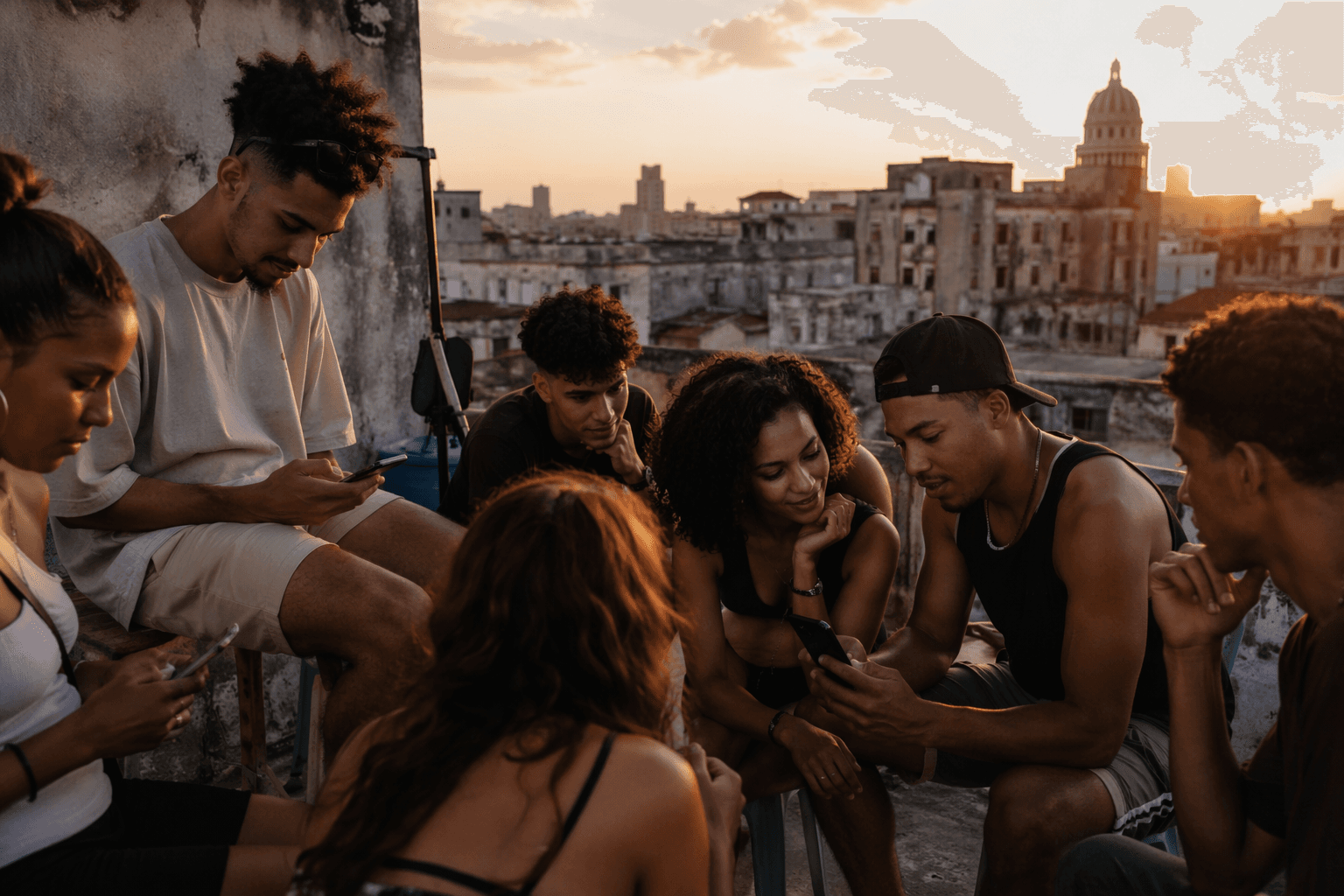
Garcia’s experience lands in a country where a pension no longer guarantees even the basics. Cuban pensions have fallen to about $7 a month on the black market, while the peso has lost roughly a third of its value against the dollar since the start of the blockade. For older Cubans, that has turned food, transport and medicine into a constant calculation. A doctor’s visit can depend on whether a relative can find gas. A simple errand can collapse into a day lost to waiting.
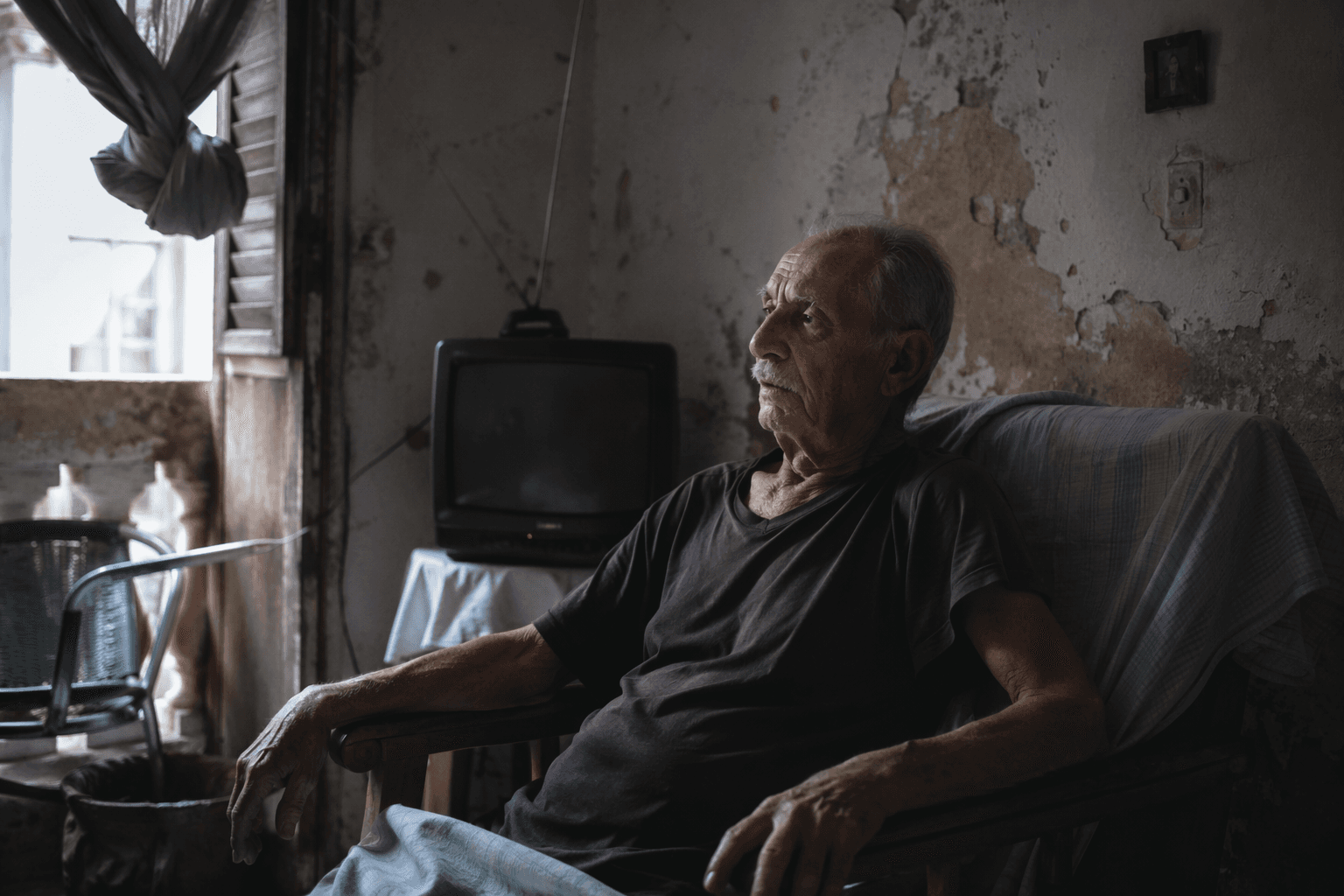
That is what makes Garcia’s story sting. He spent decades working for Cuba’s Ministry of Social Security, believing the communist state would protect workers in old age with subsidized food, healthcare, transport and pensions. Instead, he says the state has left people to their fate. For the revolutionary generation that built, staffed and defended the post-1959 system, the crisis is no longer an abstraction about policy or sanctions. It is a failure of the social contract.

The outside pressure is real, and so is the damage from within. The United Nations Human Rights Office said on June 8, 2026 that expanded U.S. sanctions on Cuba were causing widespread harm and endangering lives. United Nations experts said in February that a U.S. executive order imposing a fuel blockade was a serious violation of international law and a grave threat. In April, the United Nations said humanitarian needs remained acute and persistent despite limited fuel arrivals, and warned that Cuba’s health, food and water systems depend heavily on imported fossil fuels.
Demographics are making the pain sharper. The Economic Commission for Latin America and the Caribbean says Cuba is among the oldest populations in Latin America, and its regional data show the Caribbean’s old-age dependency ratio rising from 10 in 2000 to 14 in 2020, with 20 projected by 2030. The World Food Programme’s Cuba strategy for 2026 to 2030 still includes assistance for crisis-hit people, stronger social protection and support for nutritionally vulnerable groups, including targeted help such as two meals a day for the elderly. For Garcia and many others his age, the collapse is already here: a former promise of security reduced to fuel, medicine and time running out.
This article was produced by Prism’s automated news system from verified source data, official records, and press releases, then run through automated quality and moderation checks before publishing. The system is built and supervised by the people who set the standards it runs under. Read our full AI policy.
Did this article answer your question?