Cuba's fear of youth shown in teenage protester’s prison case
A 16-year-old Christian from Morón is in Canaleta prison on a sabotage charge that could bring 15 years, turning one case into a warning for Cuba’s youth.
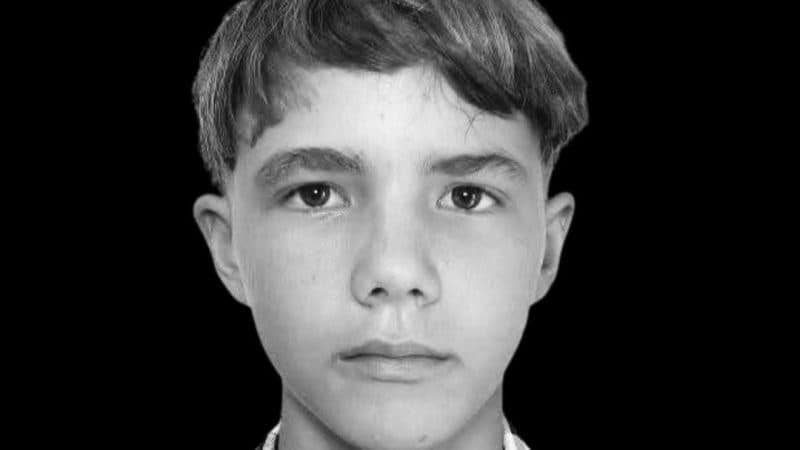
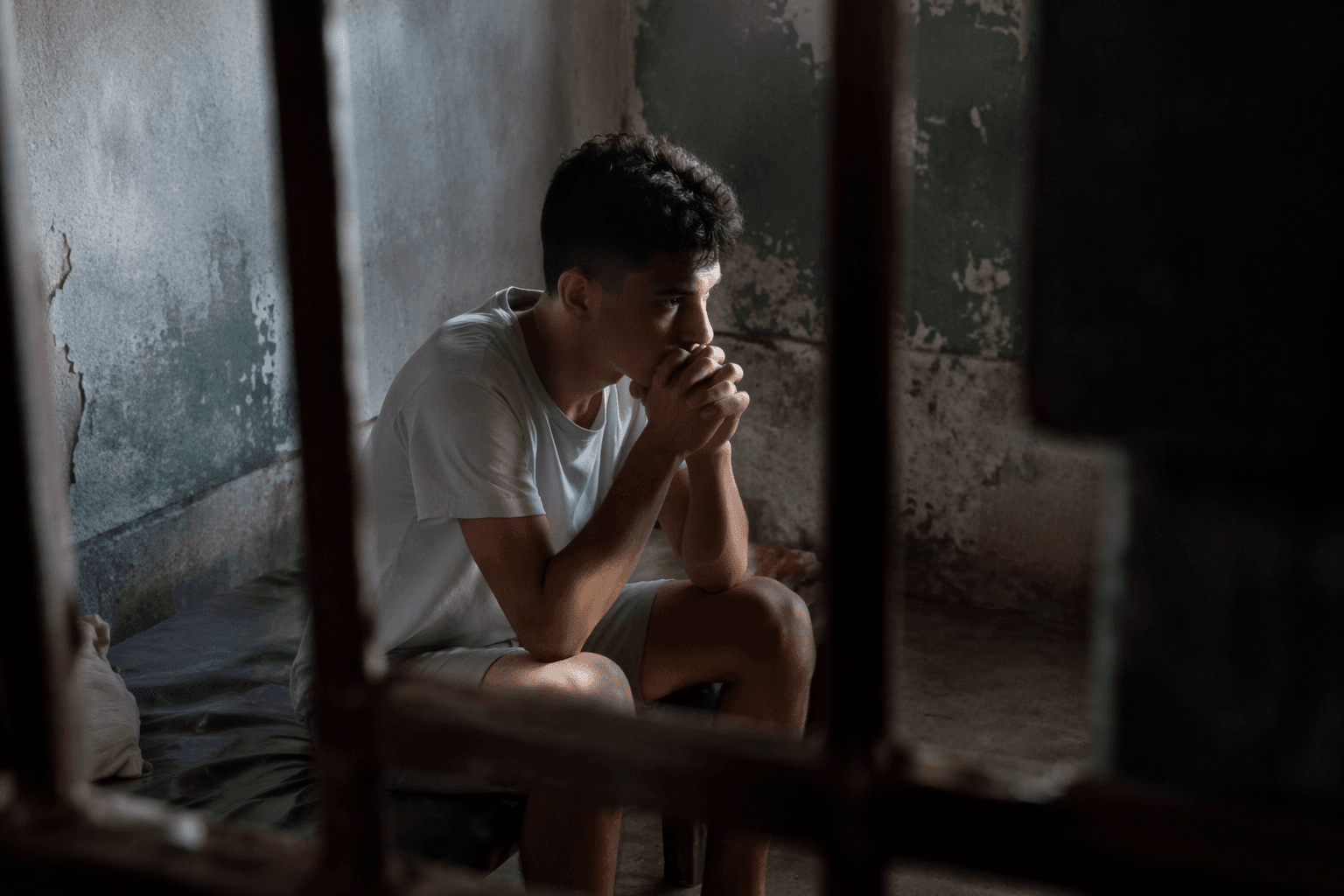
Jonathan Muir Burgos is 16, and in Cuba’s prison system that age has not shielded him. Held in Canaleta prison in Ciego de Ávila, he has been calling his mother in the early morning hours to ask how much longer he will have to stay there, a painfully intimate detail that has made him the face of a wider crackdown on politically conscious teenagers.
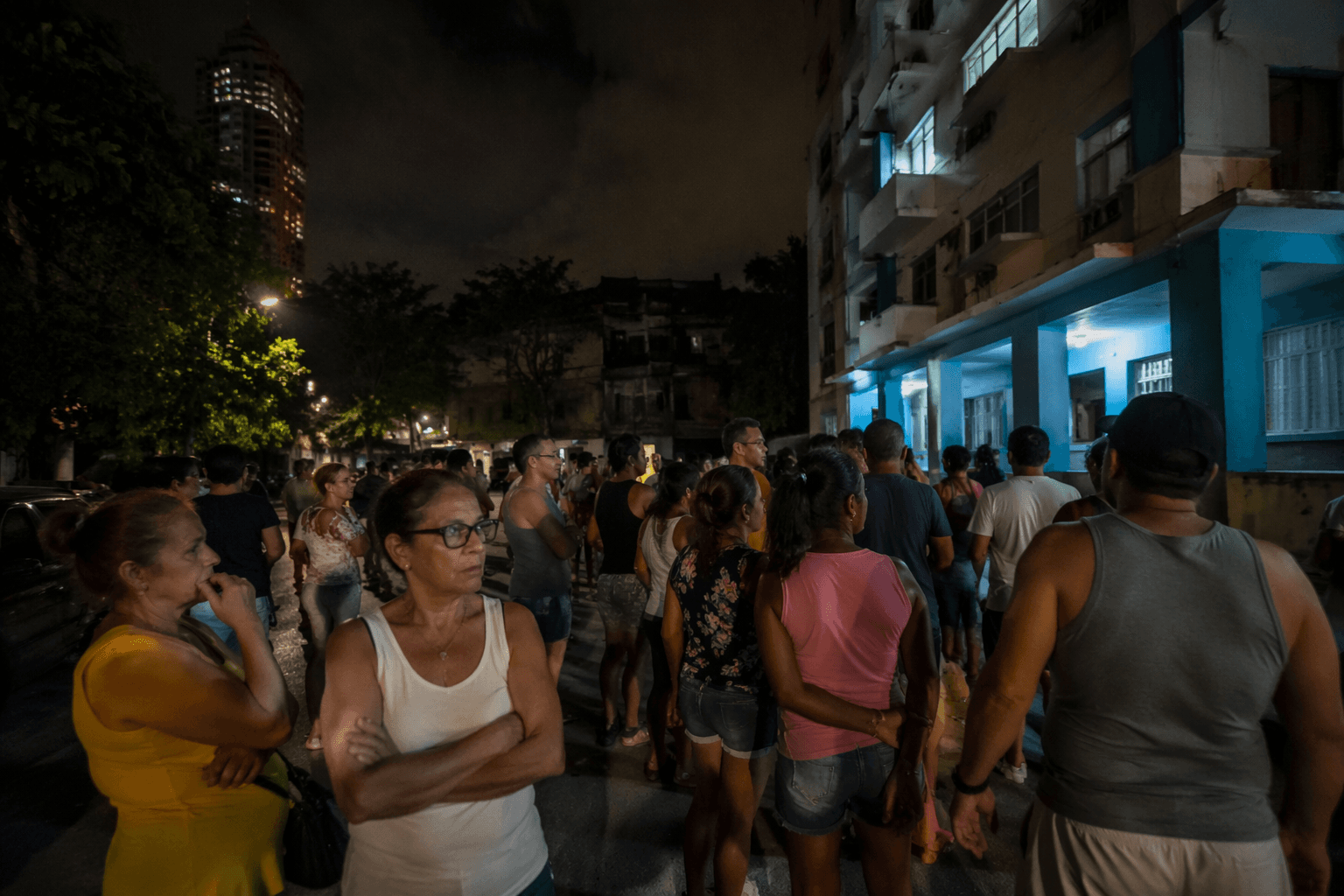
Authorities detained Jonathan on March 16, 2026, after protests in Morón that broke out over long power cuts and food shortages. Amnesty International said he was held in an adult prison and charged with “sabotage,” a vague and politicized offense that can carry a possible 15-year sentence. His case has become a test of how far the Cuban state will go to punish young people who move from frustration into public dissent.
Jonathan’s arrest did not come out of nowhere. Teachers mocked his religious beliefs, school authorities blamed him for misconduct, and his family was harassed after founding a church. His father, Pastor Elier Muir Ávila, leads Tiempo de Cosecha Independent Church. Christian Solidarity Worldwide said he was detained alongside his son on March 16 and released later that day at 5:30 p.m., while Jonathan remained behind bars. The family’s story has become a portrait of how pressure builds across school, church and home long before a teenager ever reaches a protest line.
The broader setting is no less stark. Human Rights Watch says protests in Cuba have continued to erupt over prolonged blackouts, shortages, deteriorating living conditions and rising internet costs. The group also says Cuba has lost around 10 percent of its population in recent years, according to government figures, a measure of how many people have chosen exit over endurance. Reuters reported protests in Havana on May 13 amid worsening rolling blackouts, underscoring that Morón was not an isolated burst of anger.
What has changed is not just the scale of the hardship, but the channels through which dissent now spreads. Youth opposition in Cuba increasingly travels through social media, livestreams, public denunciations, pot-banging protests and songs like Patria y Vida. That makes teenagers harder to ignore and easier to fear. Cubalex said at least 55 people were detained in the latest protests, Prisoners Defenders reported 1,207 political prisoners in January 2026, and Freedom House called for Jonathan’s release in May. Together, those numbers show a state trying to contain a generation that no longer accepts the old script.
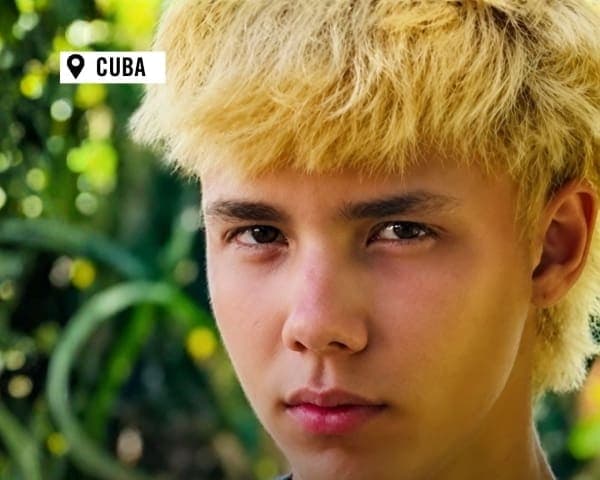
Jonathan’s case now stands for more than one boy in one prison. It shows a government so wary of youth dissent that it has turned a 16-year-old protester into a warning, even as the anger that put him there keeps finding new voices.
This article was produced by Prism’s automated news system from verified source data, official records, and press releases, then run through automated quality and moderation checks before publishing. The system is built and supervised by the people who set the standards it runs under. Read our full AI policy.
Know something we missed? Have a correction or additional information?
Submit a Tip