Cuba’s teachers struggle as collapsing salaries hit schools
A teacher’s pay fell from just over $12 a month to about $7, and families are now filling the gaps with cash swaps, antibiotics and supplies.
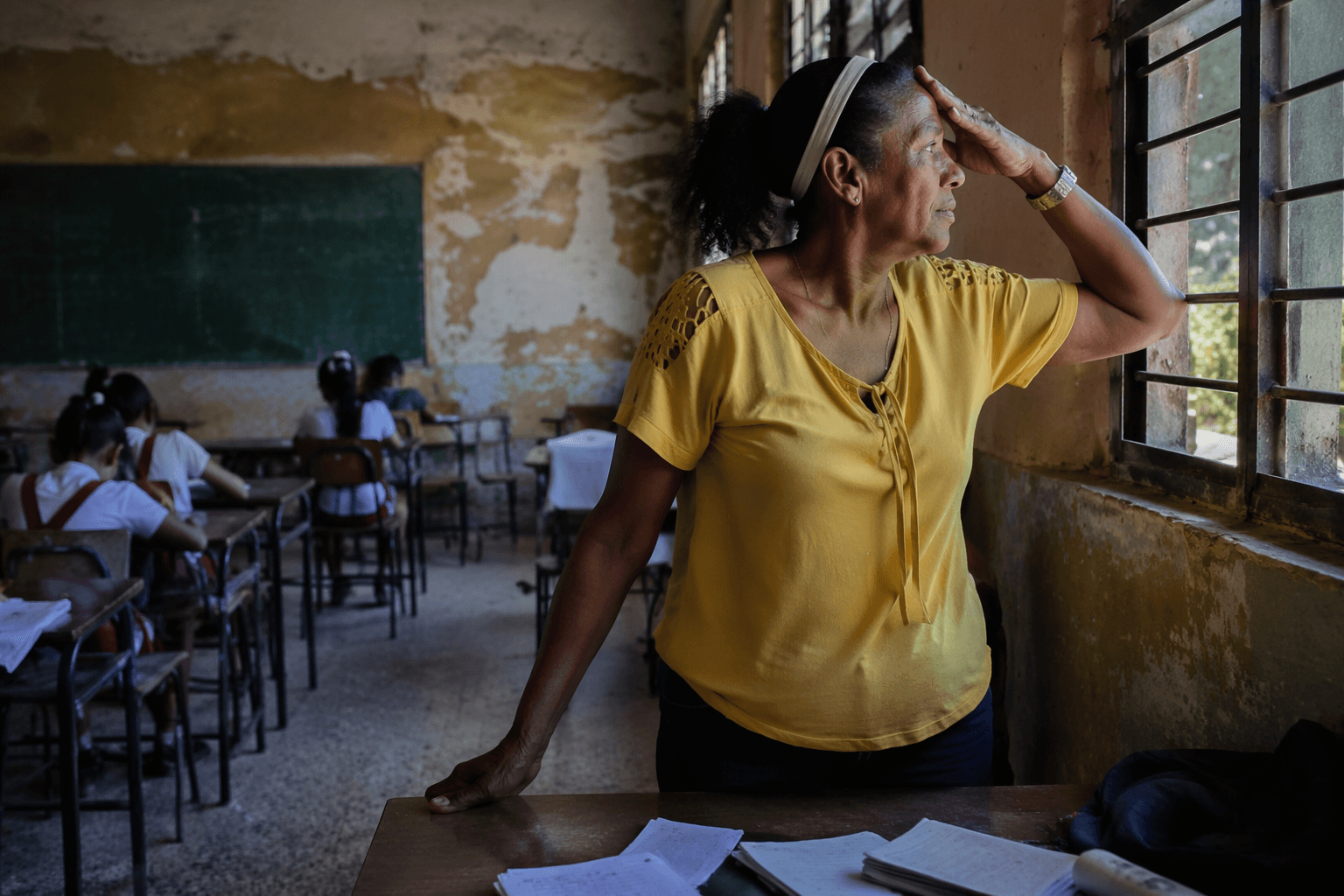
A ten-year-old boy’s teacher started the 2025-2026 school year earning the equivalent of just over $12 a month. By late June, that monthly pay had slipped to about $7 as the peso kept losing value, a brutal measure of how fast Cuba’s education system is being hollowed out from the bottom up.
The wage collapse is now bleeding directly into the classroom. Chicken and cooking oil have roughly doubled in price since April, charcoal has become far more expensive in some inland provinces, and bank withdrawals remain restricted, leaving many teachers with digital salaries they cannot easily turn into cash. In one case, a student’s father who owns a cafeteria swaps the teacher’s salary into cash every month, a private workaround that keeps a public classroom functioning.
Families are also covering the basics that the school system no longer reliably provides. The report described parents and relatives supplying antibiotics, bicycle tires and other essentials to help teachers make it through the month. That is not a side effect of the crisis anymore. It is part of the job description for keeping children in class.
The strain is visible in class size too. The room described in the report had 42 students, almost twice the Ministry of Education’s guideline for an elementary class. The shortage is even worse in middle school, beginning in seventh grade, where the report says staffing gaps are especially severe and where the system is losing the people it needs most.
Naima Trujillo, Cuba’s education minister, said the 2025-2026 school year opened with more than 1.5 million students in more than 10,000 educational centers and called the start “particularly complex.” UNICEF’s Cuba education profile said there was a shortage of 24,000 teachers at the beginning of the school year, with basic education in urban areas hit hardest. A separate account put Camagüey’s deficit at more than 2,000 teachers, affecting about 25 percent of students, while local authorities planned more than 1,000 part-time contracts to try to plug the holes.

The numbers keep pointing in the same direction. Cuba’s official inflation rate reached 15.89 percent in May 2026, the euro hit 800 pesos in the informal market on June 21, and the government dropped price caps in June on cut chicken, cooking oil, powdered milk, pasta and sausages after admitting the caps had failed. With the average official monthly salary at about 6,930 pesos in 2025, the teacher’s pay in that overcrowded classroom is not just low. It is collapsing into a level that pushes school costs onto families and leaves poorer students with the thinnest support.
This article was produced by Prism’s automated news system from verified source data, official records, and press releases, then run through automated quality and moderation checks before publishing. The system is built and supervised by the people who set the standards it runs under. Read our full AI policy.
Did this article answer your question?