Family Pleads for Cuban Teen Held in Maximum-Security Prison
A 16-year-old from Morón is in Canaleta prison as his parents fear a long sentence, worsening health, and a life behind bars. His case has become a symbol of Cuba’s crackdown.
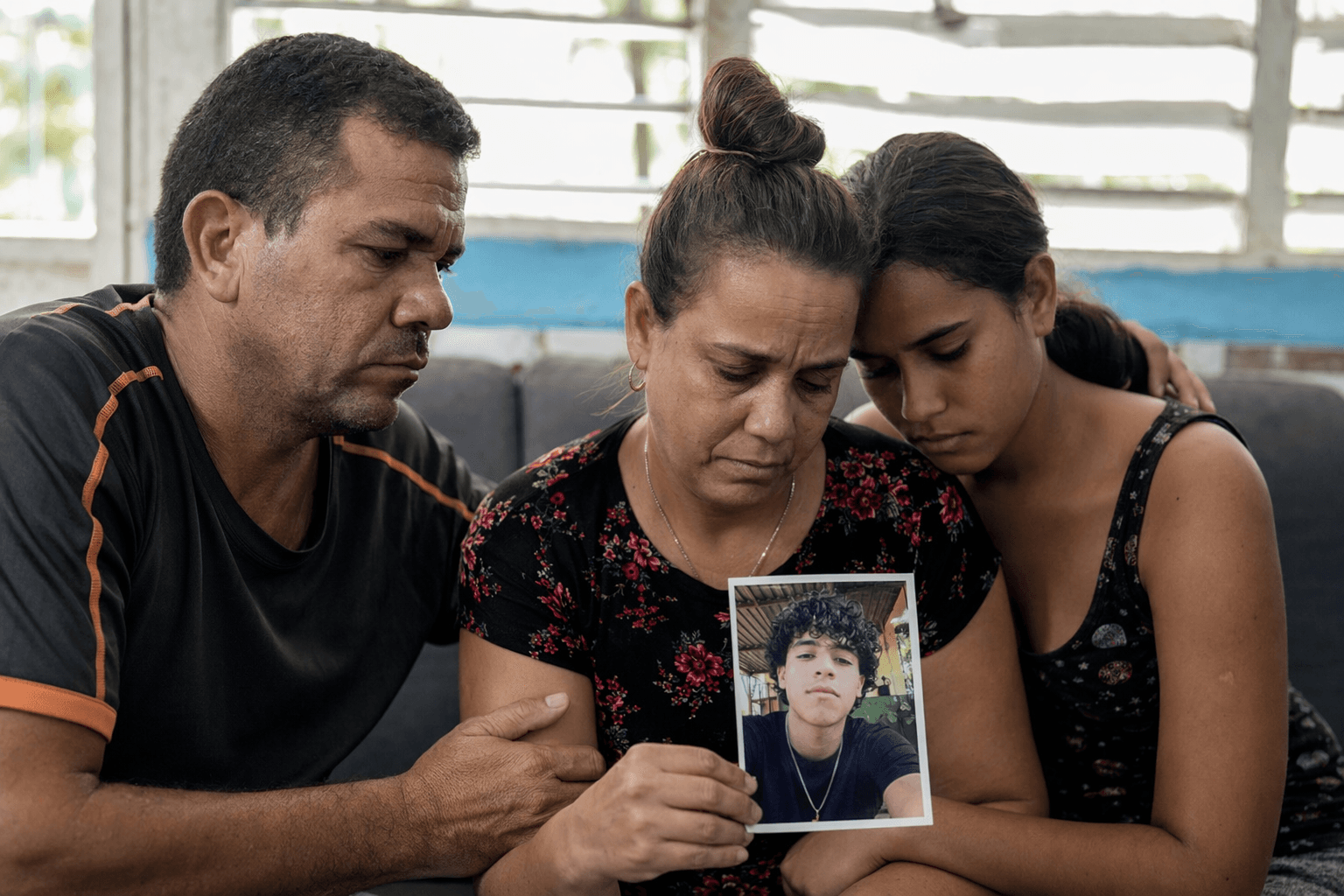
Jonathan David Muir Burgos is 16, and his parents are fighting to keep him from growing up inside a maximum-security prison. Held in Canaleta prison in central Cuba, the Morón teenager has become one of the most alarming faces of the island’s post-protest crackdown, with his family warning that a sabotage case could lock him away for years.
His father, Elier Muir, an evangelical pastor, said the family still sees Jonathan as a little boy and cannot accept the idea of watching him spend his youth in prison. The teenager, who has dyshidrosis, a chronic skin disease, was arrested after the March 13 unrest in Morón, where protesters damaged a Communist Party office, threw rocks and hurled furniture into a bonfire while chanting for freedom. Authorities charged him with sabotage after the protest and riot.
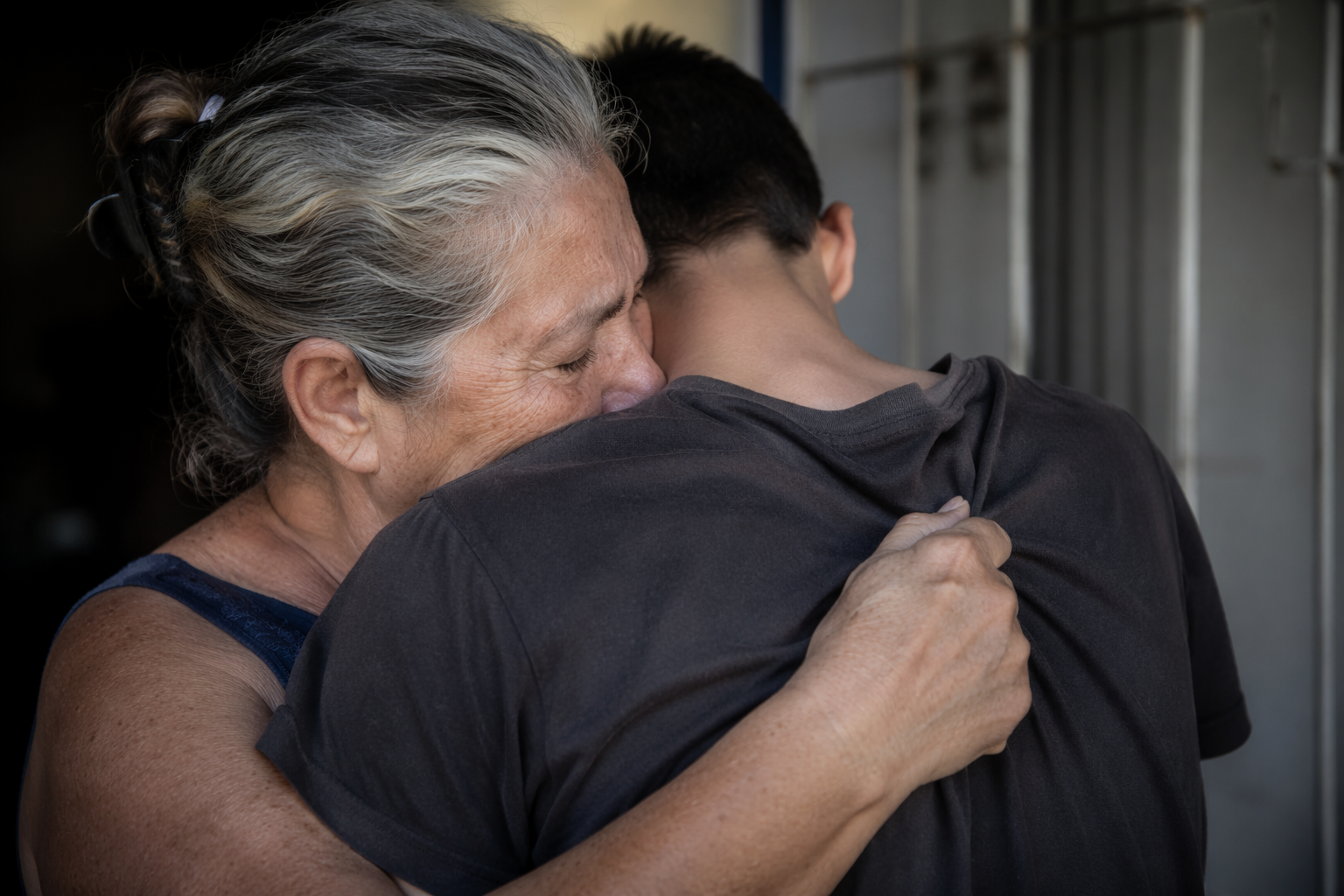
The family’s fear is not only that he is behind bars now, but that Cuba’s legal system treats 16-year-olds as adults, exposing him to the full weight of criminal sentencing. That is why the case has resonated far beyond one household in Ciego de Ávila province: for many Cubans, it captures what repression looks like when a teenager can be swept into the same machinery used against adult dissidents. If the charge holds, Jonathan could remain imprisoned well into adulthood.
Jonathan’s mother, Minervina Burgos López, has also publicly pleaded for his release, while more than 50 residents of Morón signed a letter defending him and said they were willing to testify on his behalf. Local reporting said the Morón Municipal Prosecutor’s Office ordered preventive detention on April 2, and the Provincial Court of Ciego de Ávila rejected habeas corpus appeals and requests to change that measure.
The case has now drawn formal international scrutiny. On April 24, the Inter-American Commission on Human Rights granted precautionary measures, saying Jonathan faced grave and urgent risk to his life, personal integrity and health. The commission said he had been deprived of liberty since March 16, and it cited restricted visits, poor food, lack of drinking water and no information that he was receiving needed care for dermatological and gastrointestinal conditions. It asked Cuba to improve detention conditions, allow regular family and legal contact, give lawyers access to the file and clarify whether he had appeared before a competent court.
Amnesty International said the Morón protests erupted amid prolonged blackouts, fuel shortages and worsening living conditions, while Human Rights Watch said rights groups documented at least 20 people detained after March protests tied to power outages and food shortages. In that wider sweep of arrests, Jonathan’s case has become a warning: if pressure fails, a 16-year-old can disappear into Cuba’s prison system for years, with Canaleta standing as the place where a childhood can be turned into a sentence.
This article was produced by Prism’s automated news system from verified source data, official records, and press releases, then run through automated quality and moderation checks before publishing. The system is built and supervised by the people who set the standards it runs under. Read our full AI policy.
Did this article answer your question?