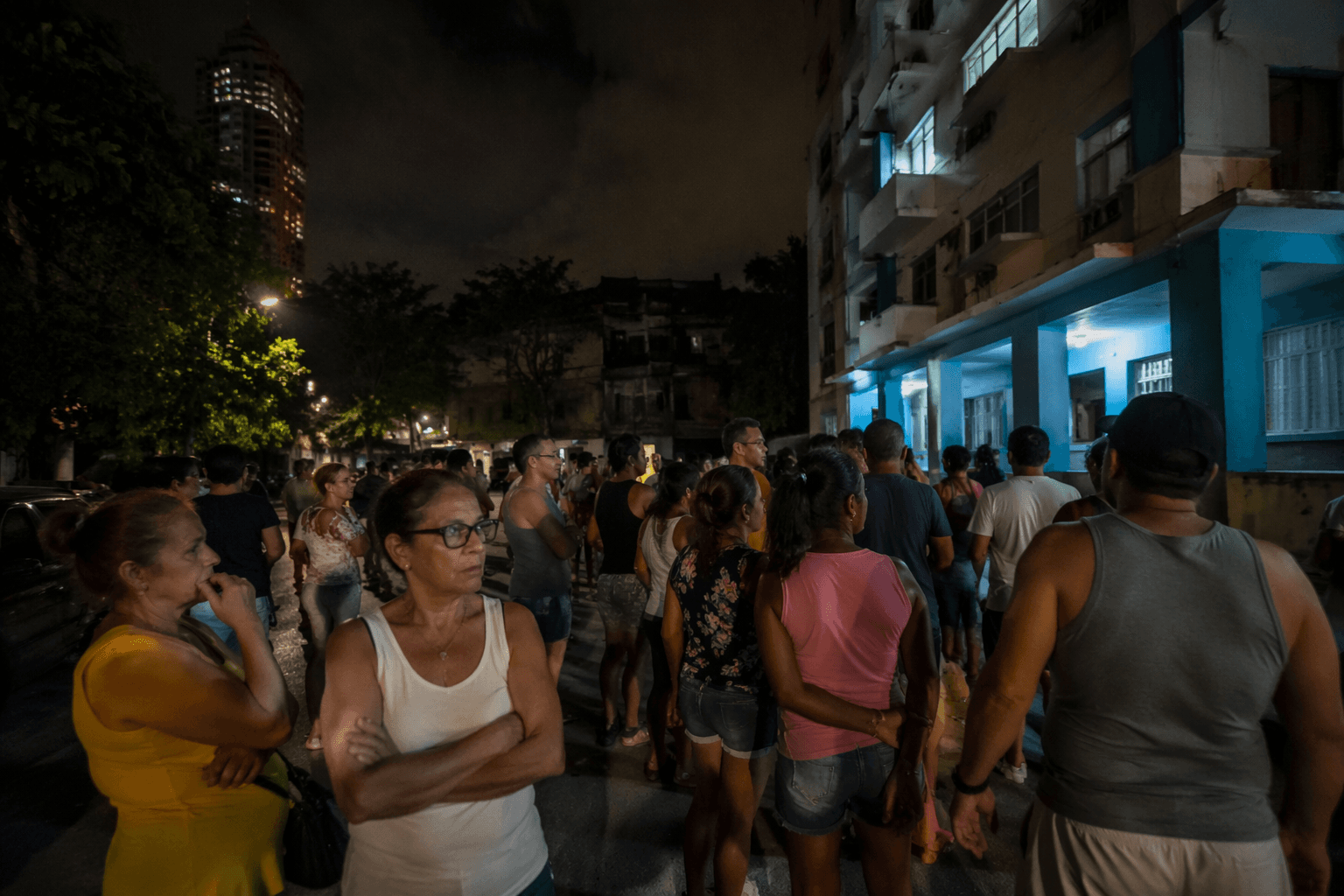
Foreign firms pull back from Cuba as GAESA sanctions deadline nears
Foreign hotel chains are cutting Cuba exposure as a June 5 sanctions window closes, with card payments now set to break on June 6.
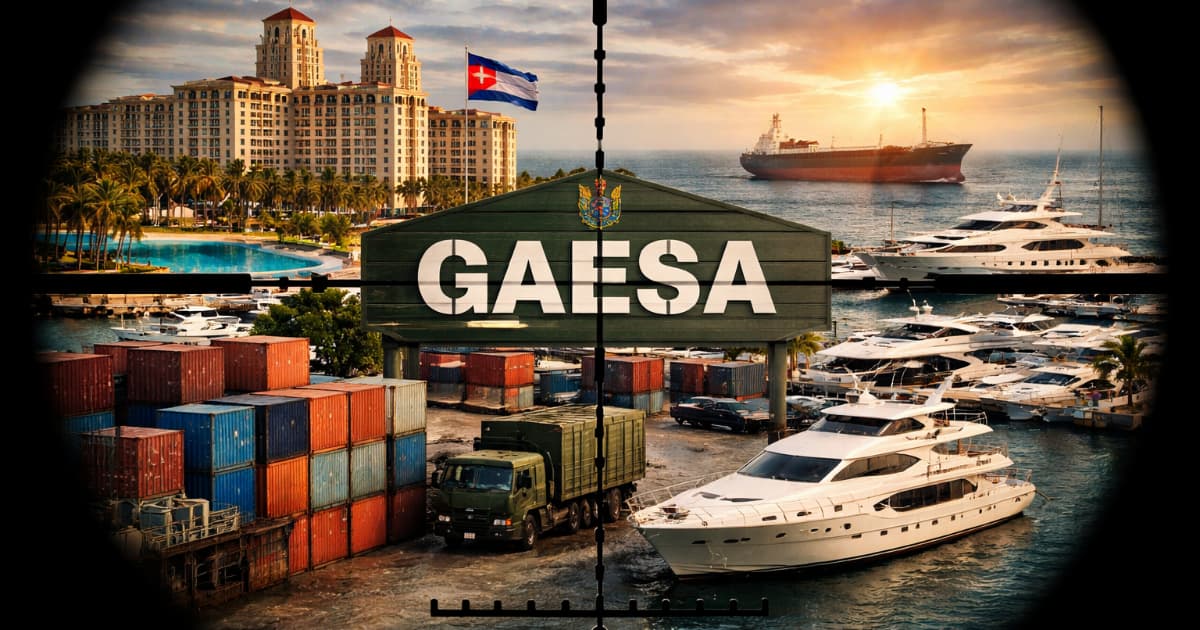
Foreign companies began pulling back from Cuba as Washington’s deadline to wind down dealings with GAESA closed in, tightening pressure on the island’s hotel, payment, and supply systems. President Donald Trump issued Executive Order 14404 on May 1, the U.S. State Department designated GAESA on May 7, and OFAC said foreign persons and foreign financial institutions were generally not intended to be targeted for GAESA wind-down transactions only through June 5.
The first major retreat has come in tourism, where GAESA’s reach is deepest. Meliá Hotels International said it would stop managing 15 hotels in Cuba, while Iberostar had already ceased operations and marketing at 12 of its 18 hotels on the island as of June 1. Blue Diamond Resorts also withdrew. Meliá said the financial hit would be limited because most of the affected properties were already closed or barely used amid power shortages and weak tourism, but the exits still mark a sharp reset for a sector that has long been central to Cuba’s hard-currency earnings.

The pressure has landed as Cuba’s tourism slump worsens. Visitor numbers have fallen far below pre-pandemic levels, and the industry is still dealing with airline suspensions, blackouts, shortages, and low hotel occupancy. Because GAESA controls major parts of Cuba’s hotel and travel apparatus, the sanctions squeeze reaches beyond individual properties and into transport, gas stations, ports, telecoms, retail, and remittances, all of which shape daily life for Cubans trying to move, buy, and earn on the island.
Cuba’s government pushed back on June 2, defending GAESA as a contributor to the country’s economic and social development. Bruno Rodríguez Parrilla amplified that position publicly, while officials accused Washington of slander and cast the sanctions campaign as another step in the long U.S. embargo. But the business consequences are already visible: foreign operators are recalculating exposure, and firms tied to GAESA-linked assets are moving faster to avoid the next layer of risk.
The latest disruption is in payments. Cuba’s central bank said Visa and Mastercard transactions would be suspended starting June 6 after a foreign bank that processed those payments decided to limit operations and end its relationship with Fincimex S.A., the state financial-services company involved in card processing. That leaves foreign-currency spending more dependent on cash, domestic prepaid cards, and cards issued through systems such as Russia’s Mir and China’s UnionPay.
For Cubans, the effect is immediate and practical. The sanctions rule that began as a deadline for foreign firms to cut ties with GAESA has now reached hotel desks, payment terminals, and the channels that keep goods and money moving across the island.
This article was produced by Prism’s automated news system from verified source data, official records, and press releases, then run through automated quality and moderation checks before publishing. The system is built and supervised by the people who set the standards it runs under. Read our full AI policy.
Know something we missed? Have a correction or additional information?
Submit a Tip