Havana cafe offers paid jobs to young people with Down syndrome, autism
At Mazón and Neptuno, Liva turned a bright yellow corner cafe into paid work for about a dozen young Cubans with Down syndrome and autism.
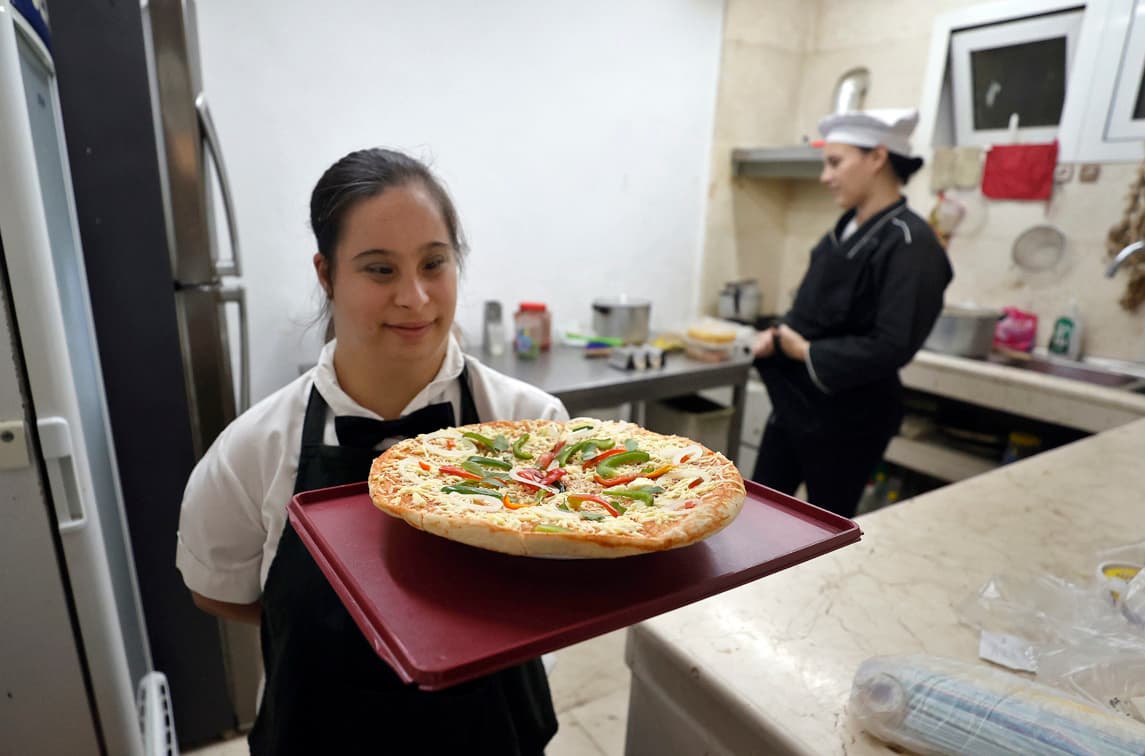
A bright yellow cafe on a busy central Havana corner is trying to do something Cuba’s crisis economy rarely makes easy: offer steady, paid work to young people with Down syndrome and autism. Liva, at Mazón and Neptuno, has become a visible test of whether inclusion can survive when ordinary jobs are scarce, unstable and often out of reach.
The project took shape in February and formally opened on March 21, 2026, as the island was sliding into another emergency cycle of fuel shortages and state-sector cuts meant to save energy. Liva is part of Cielos Abiertos and takes its name from Liván Valle, the son of project director Mariolis Escobar. About a dozen young workers, between 20 and 35 years old, are employed there as waiters or kitchen assistants and earn roughly 1,000 Cuban pesos a day.
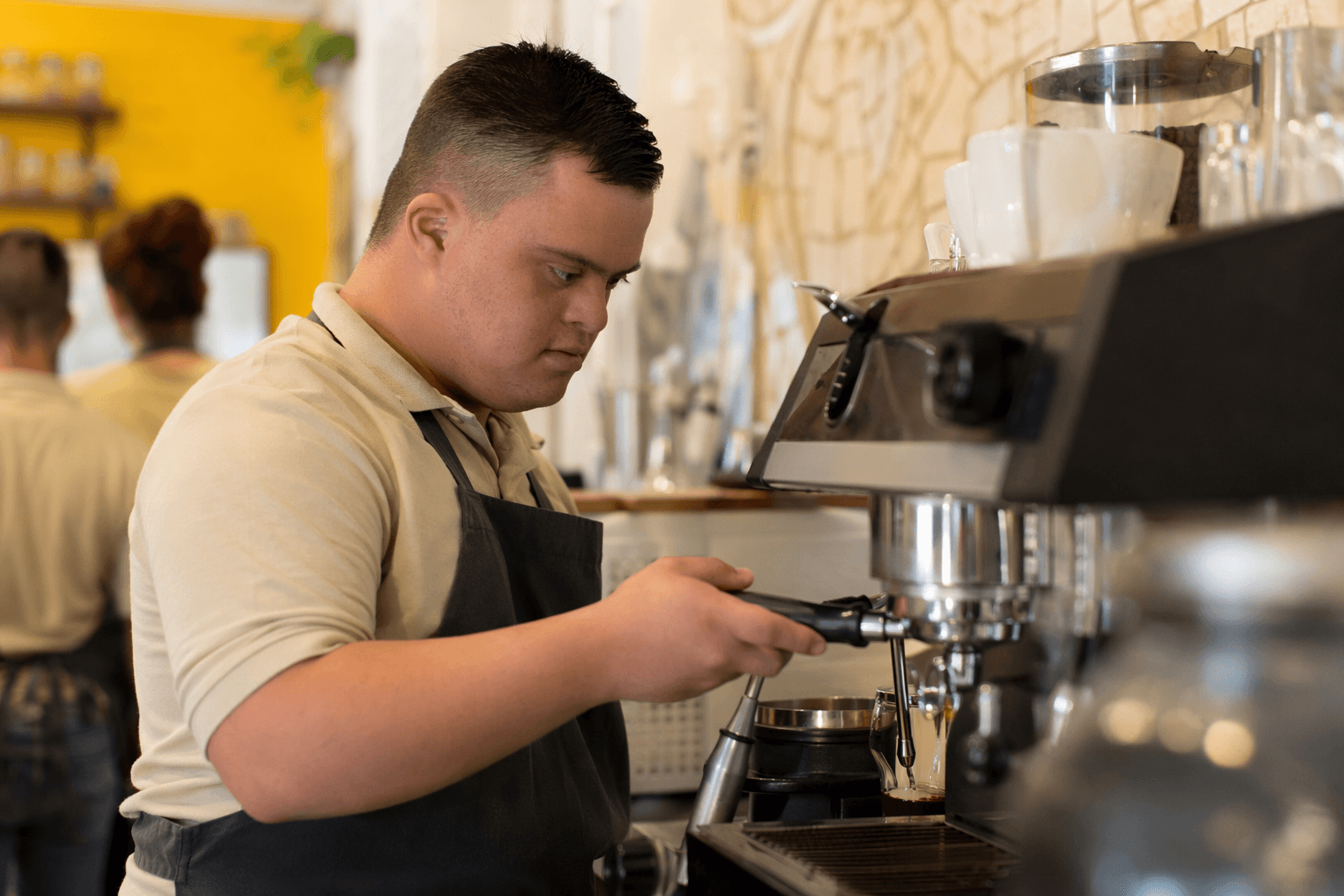
What makes the cafe stand out is not only who it hires, but how it is staffed. Alongside the young employees, Liva includes a special education specialist and a psychologist, a setup that gives the place routines, supervision and support beyond a symbolic hiring campaign. Escobar has framed the effort as a way to give her children and others like them a profession, fair pay and a sense of empowerment, and the daily work at the counter has turned that idea into something visible on one of Havana’s busiest streets.
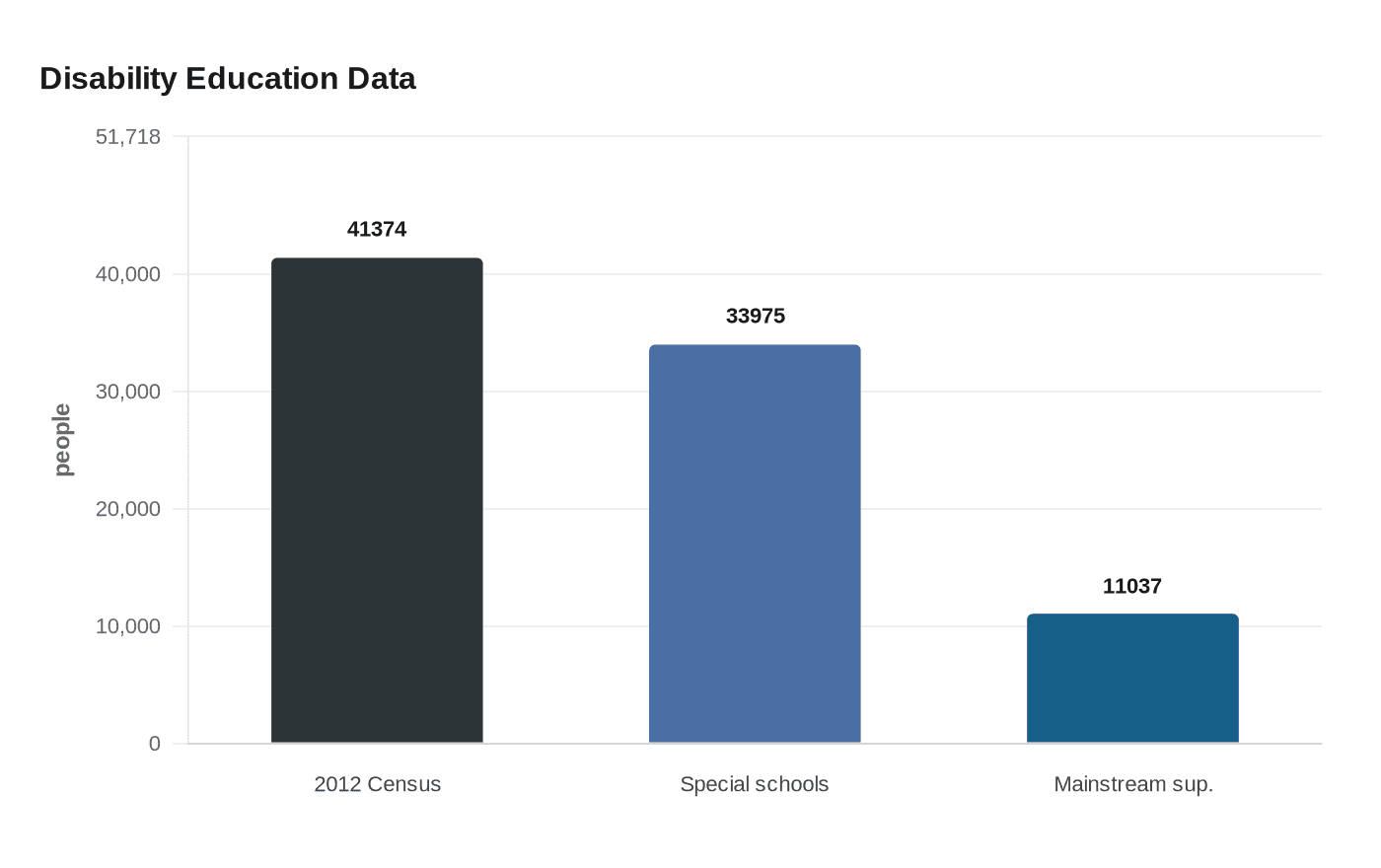
The cafe also lands inside a wider disability landscape that makes the stakes clearer. UNICEF says Cuba’s 2012 census registered 41,374 children and adolescents with disabilities. It also says the country had 355 special schools with 33,975 students in the 2017-2018 school year, while 1,978 mainstream schools were providing educational support to 11,037 children and adolescents with disabilities. The World Health Organization says disability is shaped not only by health conditions such as autism, but also by inaccessible transport, buildings and limited social support, factors that can decide whether formal rights become real opportunity.
That is what gives Liva its wider meaning in Havana right now. OnCuba reported in May 2026 that Cuba’s structural crisis and oil-related pressure had forced hundreds of small businesses to close or suspend operations, which makes a functioning private cafe employing people with disabilities feel less like a feel-good exception and more like a survival model under strain. At Mazón and Neptuno, the lesson is plain: in a country where stability is thin, inclusion has to be built into the work itself.
This article was produced by Prism’s automated news system from verified source data, official records, and press releases, then run through automated quality and moderation checks before publishing. The system is built and supervised by the people who set the standards it runs under. Read our full AI policy.
Know something we missed? Have a correction or additional information?
Submit a Tip