Havana residents bang pots after 30-hour blackout in Luyanó
Luyanó residents banged pots after 30 hours in the dark, turning a blackout into a street protest for water, power, and basic relief.
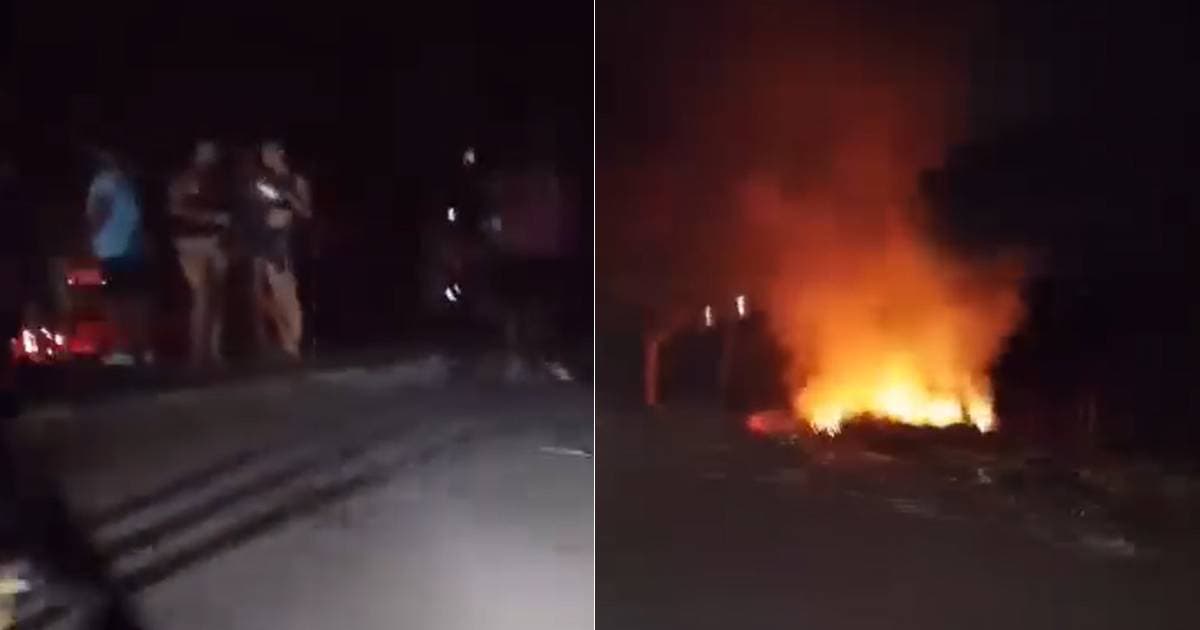
More than 30 hours without electricity was enough to push Luyanó from frustration to confrontation. Early Thursday, residents of the Havana neighborhood took to the street banging pots and demanding water and power, while police were present at the scene.
The protest was born from a blackout, but it pointed to something bigger: in Havana, outages have become a daily pressure rather than an emergency exception. For families in Luyanó, the loss of power reaches far beyond light bulbs. It affects cooking, refrigeration, sleep, water pumping, and the ability to stay in touch when the grid goes down and the phones follow.

That strain has been building across the capital. Similar cacerolazos have already appeared in El Cotorro and other Havana neighborhoods, and residents in nearby districts have joined blackout protests in recent months. The unrest has also carried a cost. At least 14 people in Havana have been detained since March 6 in connection with blackout-related protests and noise demonstrations, according to Cubalex, while the Cuban Conflict Observatory recorded 1,133 protests in April 2026.

The electricity system behind it all is still operating close to collapse. On June 10, Unión Eléctrica projected a nighttime deficit of about 2,010 megawatts, with available capacity around 990 megawatts against demand of 3,000 megawatts. An earlier UNE report cited on March 3 put the highest recorded impact at 1,947 megawatts. Reuters and other outlets have reported that fuel shortages have left generation units offline, deepening the shortages that have battered Havana and the rest of the island.
Water has become part of the same crisis. The United Nations Human Rights Office has said more than 80% of Cuba’s water pumping equipment depends on electricity, making blackouts a direct threat to safe water and sanitation. UN officials have also warned that Cuba’s fuel scarcity is undermining essential services and human rights. In Havana, that translates into a simple but explosive demand: when the power goes out for 30 hours, residents do not just wait in the dark. They come outside, bang the pots, and make the outage visible.
This article was produced by Prism’s automated news system from verified source data, official records, and press releases, then run through automated quality and moderation checks before publishing. The system is built and supervised by the people who set the standards it runs under. Read our full AI policy.
Did this article answer your question?