Havana trash piles up as Cuba fuel crunch disrupts collection
Garbage is piling up across Havana as fuel shortages keep collection trucks away, leaving residents with smoke, rats, flies and a worsening sanitation problem.

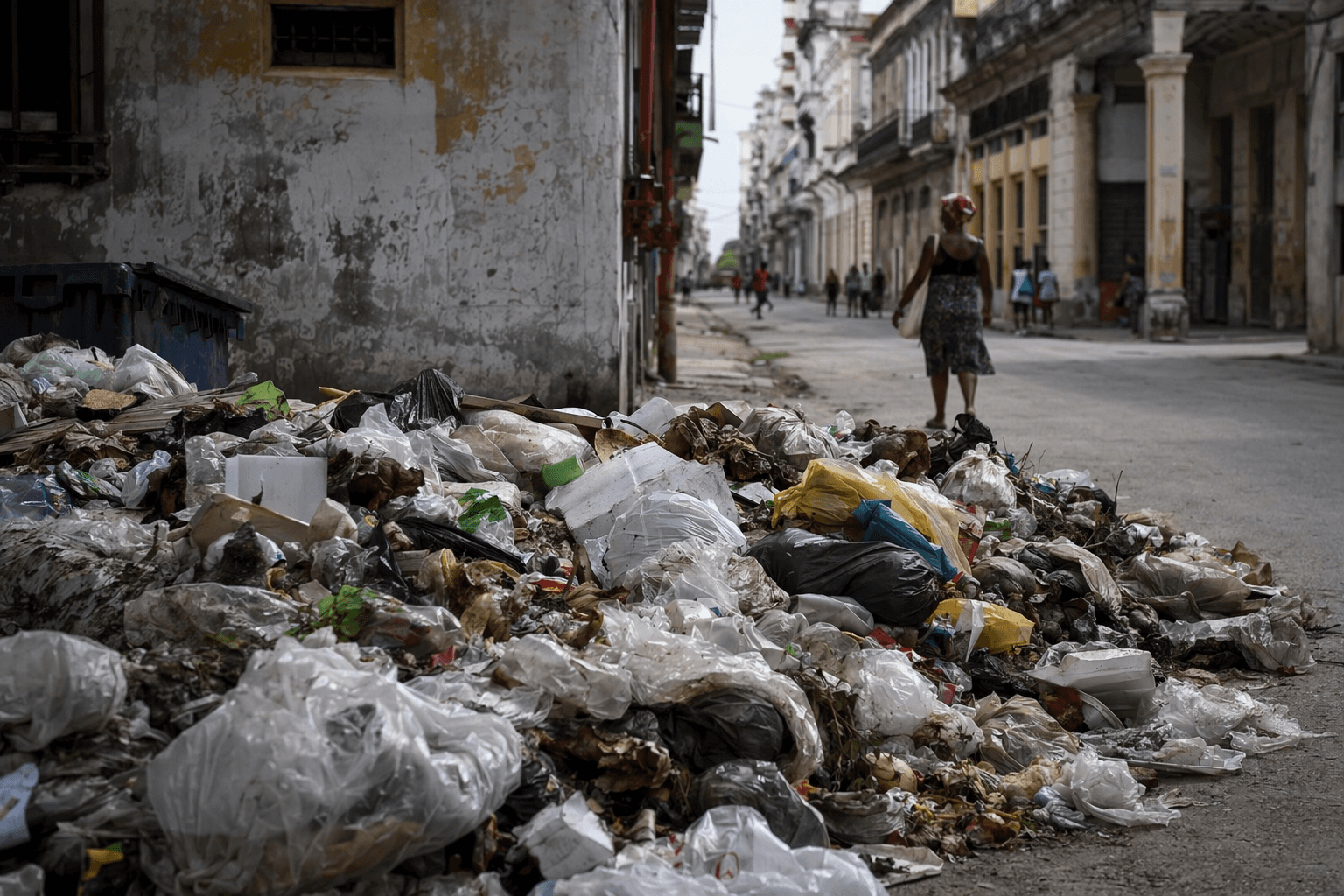
Trash is no longer being collected regularly in Havana, and the result is visible on the street: piles of food scraps and household waste, foul odors in the heat, flies in the open air and rats moving through neighborhoods where garbage trucks have stopped coming. In some areas, residents have started burning rubbish in the street, a desperate fix that adds smoke and pollution to an already deteriorating daily routine.
The problem reaches far beyond dirty corners and clogged sidewalks. Havana’s garbage crisis is one of the clearest signs of how Cuba’s fuel crunch is breaking down basic city services. When collection trucks cannot run on schedule, waste accumulates fast in tropical weather, and the city’s sanitation system loses the ability to keep up. That failure is not new. A 2023 tally showed Cuba collected 5.9 million cubic meters of solid waste, just 85.3% of the 2022 total, and delays in garbage pick-up because of a lack of vehicles were identified as the main reason waste kept building up in Havana and other cities.
Public-health alarms are rising alongside the mess. The Pan American Health Organization says Cuba is facing an economic crisis deepened by an unprecedented energy emergency and acute health pressures. It has reported repeated disconnections of the national electrical system, severe water shortages in seven provinces, and damage to 385 health facilities in the recent disaster context. Havana was among the hardest hit by water shortages, with supply problems affecting 80% of the capital in the PAHO account.
Those conditions matter because Cuba is also dealing with dengue and Oropouche outbreaks that raise the risk of digestive-borne, respiratory and vector-borne disease. PAHO said that as of Jan. 30, 2025, Cuba had reported 23,639 suspected Oropouche cases and 626 confirmed cases. The U.S. Embassy in Havana said on Aug. 27, 2025, that dengue, chikungunya and oropouche infections were rising across the island, and that Matanzas had a chikungunya outbreak.
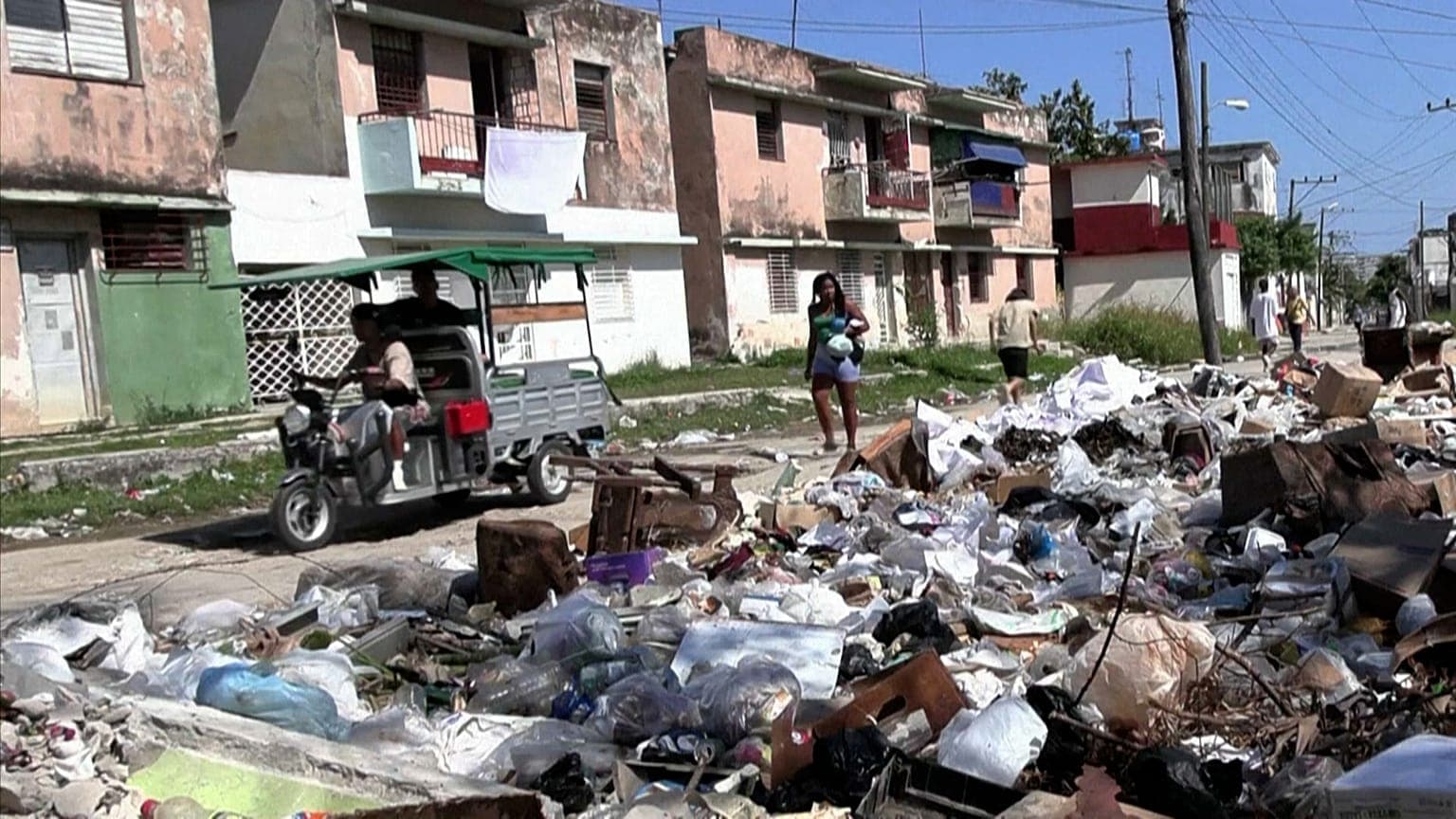
The sanitation breakdown fits a wider pattern. The fuel crisis already forced authorities to alter major public events such as May Day celebrations in 2024, and the same shortage is now showing up in the most ordinary part of city life: whether the trash leaves the block. In Havana, that means the crisis is not only economic or political. It is on the curb, in the smell, and in the daily fight to keep neighborhoods livable.
This article was produced by Prism’s automated news system from verified source data, official records, and press releases, then run through automated quality and moderation checks before publishing. The system is built and supervised by the people who set the standards it runs under. Read our full AI policy.
Did this article answer your question?