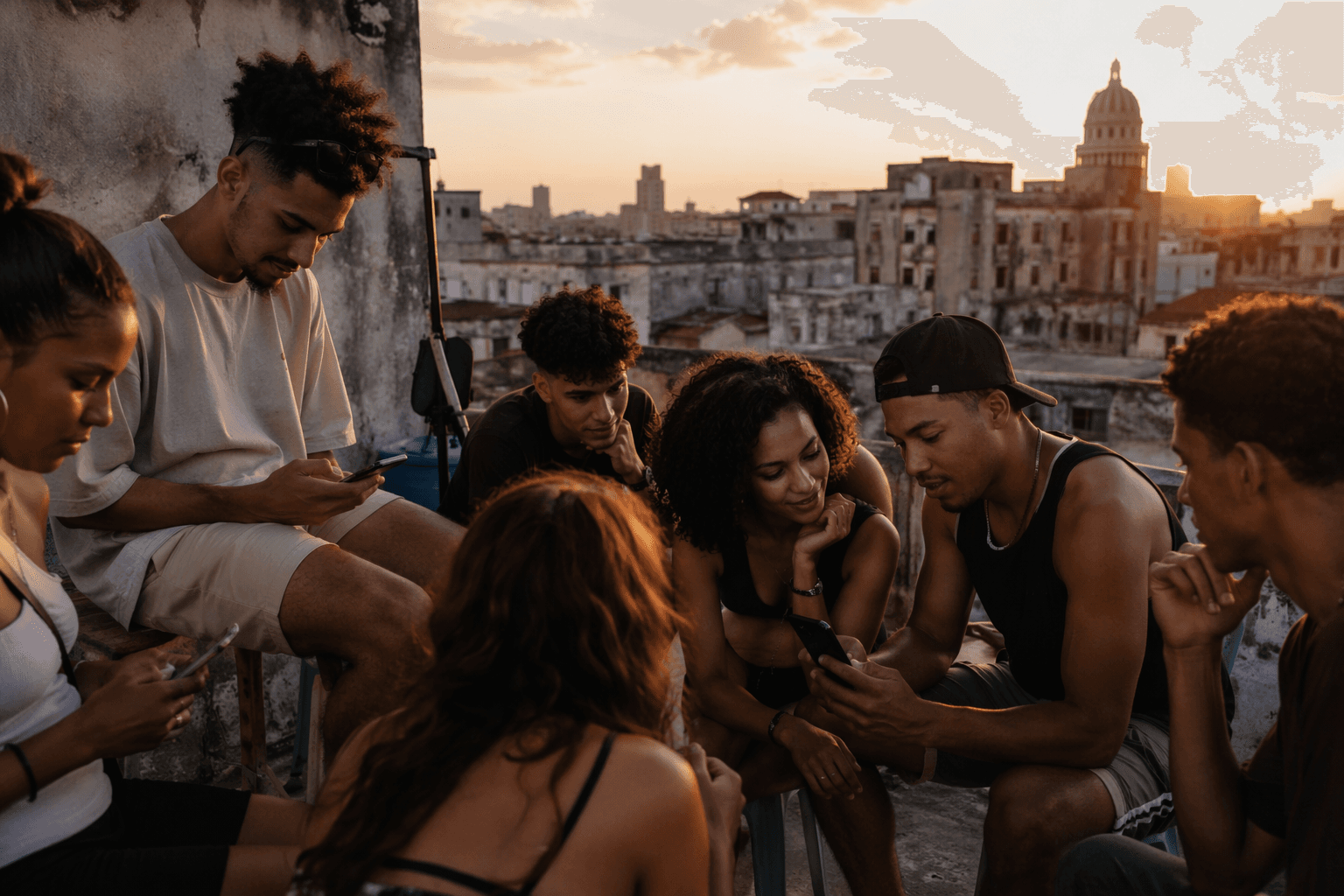
In Holguín, getting around Cuba has become a daily negotiation
In Holguín, every ride is a bargain with fuel, money, and luck. Cuba’s transport squeeze now decides work, care, family visits, and even whether a short trip is worth trying.
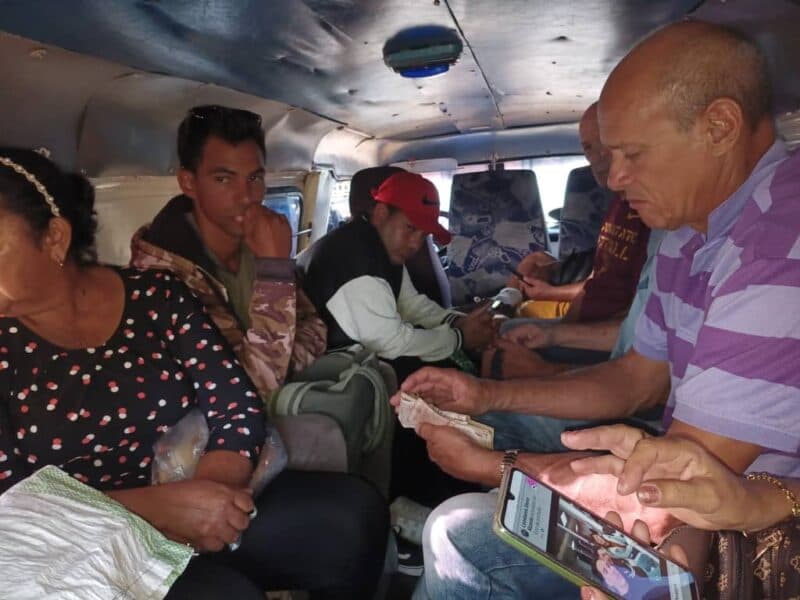
Getting across Holguín has stopped feeling like a basic errand and started feeling like a negotiation. In Cuba, the old convenience of a driver simply asking where you want to go can sound almost luxurious now, because every move has to clear the hurdles of money, fuel, time, and who you know.
The ride is no longer the easy part
What looks like a short hop on a map can turn into a test of patience on the street. In Holguín, as in much of eastern Cuba, people lean on collective private transport and whatever patchwork of rides they can assemble when formal mobility falls short. That system works only by improvisation, and improvisation is expensive in both cash and energy.
The fuel crisis has made the simplest trip a calculation. People hesitate before leaving home because a ride may not appear, may cost more than expected, or may take far longer than the distance suggests. That changes how people think about the city itself: not as a place you cross freely, but as a place you measure carefully before stepping out.
How transport reaches into daily life
When mobility weakens, work is the first thing to bend. A commute that used to be routine becomes a gamble, especially when transport is uncertain enough to make punctuality fragile. In a city like Holguín, where people still have to show up for shifts, errands, and appointments, the missing ride can be the thing that decides whether the day works or collapses.
Family life bends too. A visit across town, or to someone in the eastern region beyond Holguín, can stop being a casual decision and become a question of whether the trip is worth the fuel, the time, and the favors it takes to make it happen. That same squeeze reaches healthcare access, because even a medical appointment can depend on finding transport on the right day, at the right moment.

Leisure suffers in quieter ways. If every outing is a calculation, then restaurants, beaches, friends, and ordinary social life become less spontaneous. The island can feel smaller not because it has changed size, but because the cost of moving through it has made distance feel heavier.
The price of scarcity is social
There is an emotional cost to this kind of transport system, and Cubans have a way of dealing with it that mixes humor with exhaustion. People joke because joking is one of the few ways to normalize what should not be normal, but the joke sits right next to frustration. When the ride is uncertain, the day becomes uncertain with it.
That uncertainty also changes social ties. If you need a contact, a favor, or a bit of luck to get moving, then mobility is no longer just about infrastructure. It becomes part of the social fabric itself, a reminder that getting from one point to another often depends on relationships as much as on roads or vehicles.
Holguín in the national squeeze
Holguín’s transport problem is local, but it sits inside a much bigger national crisis. In February 2026, the United Nations warned that Cuba’s humanitarian situation was worsening as fuel shortages deepened, with healthcare, water services, and food distribution all at risk. The warning was not about inconvenience alone. It was about the infrastructure that keeps daily life functioning.

The United Nations and the Office of the United Nations High Commissioner for Human Rights linked the crisis to a decades-long economic and trade embargo, extreme weather events, and recent U.S. measures restricting oil shipments. On June 4, 2026, the UN said the energy crisis was still severely disrupting essential services and had postponed more than 100,000 surgeries. That is the scale behind the street-level struggle in Holguín: transport is part of the same system that moves patients, water, food, and aid.
The numbers sharpen the picture. Cuba’s population was about 10.98 million in 2024, and roughly 77.17 percent of people lived in urban areas. That means mobility problems hit a very large share of the country’s daily life in cities and towns, not just isolated rural corridors. When fuel runs short, the consequences spread fast through dense urban routines.
Why fuel access matters beyond the road
The UN has said fuel access is critical for humanitarian operations in Cuba, and that point matters in Holguín as much as in Havana. Fuel does not only keep vehicles moving. It also supports hospitals, water systems, food delivery, sanitation, and the logistics that hold a community together when conditions tighten.
That is why a local story about getting around in Holguín reads like a national warning. The issue is not simply that transport is inconvenient or that a trip takes longer than it should. It is that every journey now exposes how many parts of Cuban life depend on the same fragile supply of energy.
In Holguín, the map still looks ordinary. The reality on the ground is different: before anyone leaves, they are already negotiating money, fuel, luck, and social ties. That is the new geography of movement, and it is shaping how people work, visit family, reach care, and decide whether the trip is worth making at all.
This article was produced by Prism’s automated news system from verified source data, official records, and press releases, then run through automated quality and moderation checks before publishing. The system is built and supervised by the people who set the standards it runs under. Read our full AI policy.
Did this article answer your question?