Luis Casadevall’s Havana photos turn 12 years into visual archive
Luis Casadevall’s Havana project compresses 12 years and 65,000 images into one sharp look at how the city has changed, and what still holds it together.
A city seen through 12 years of return visits
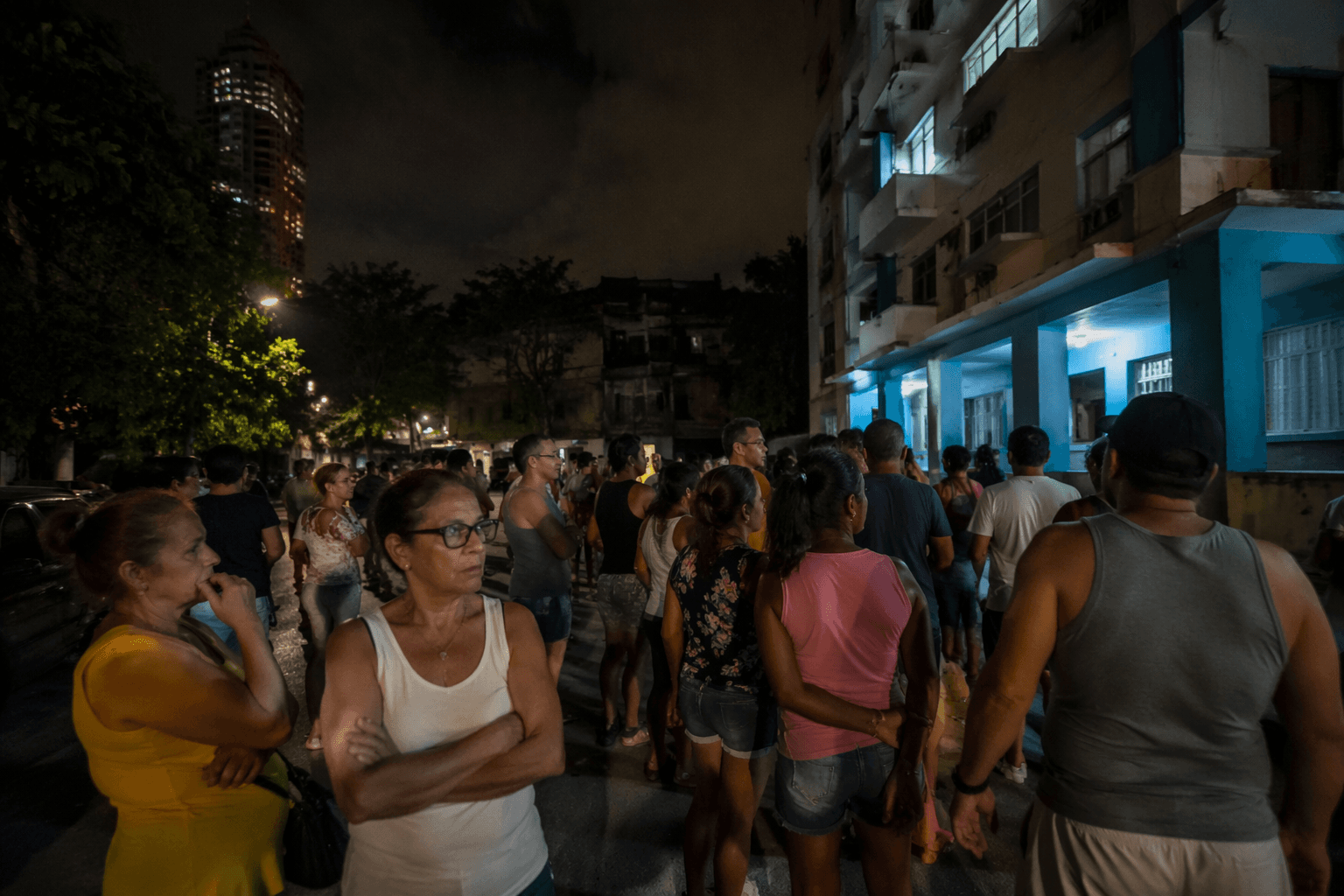
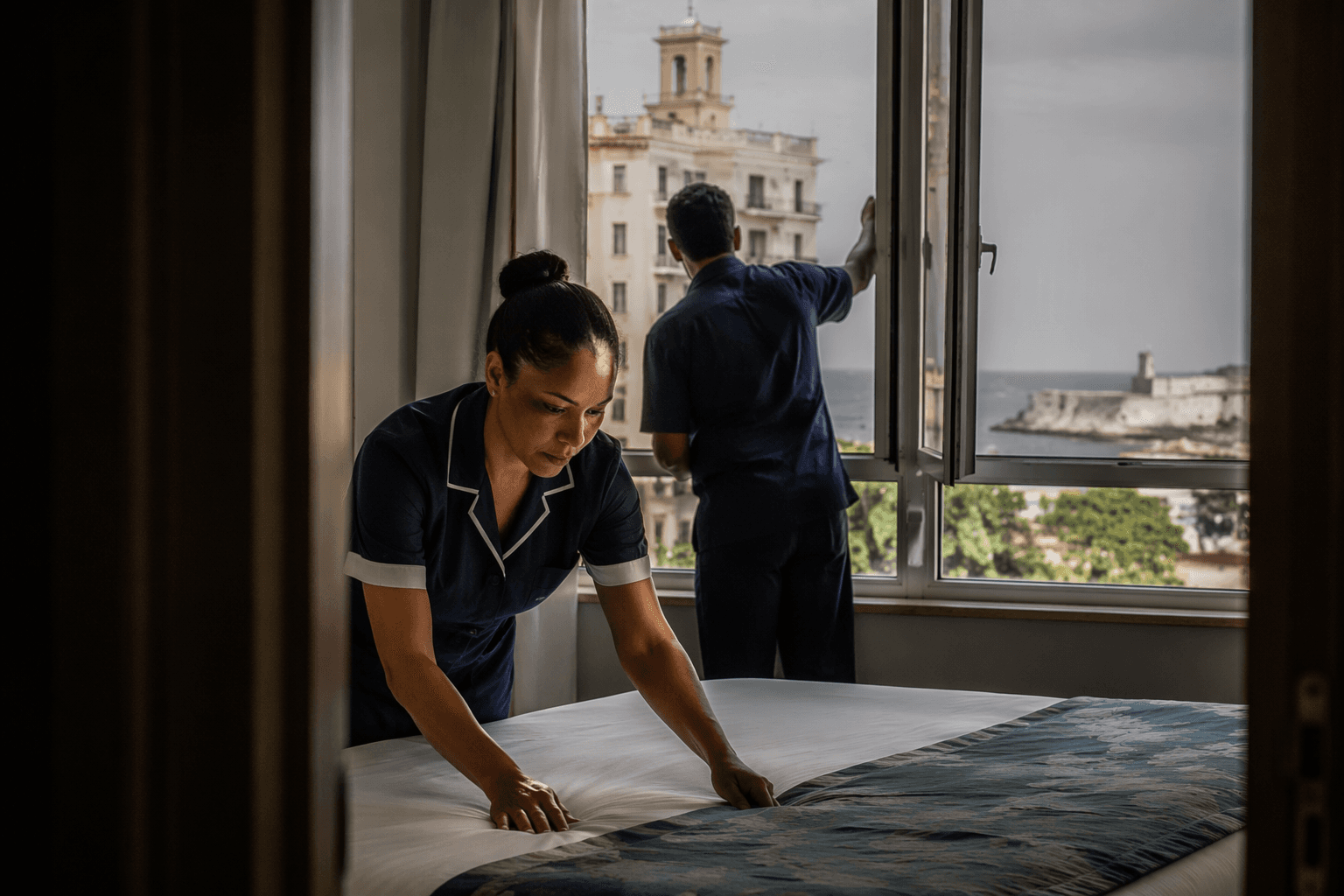
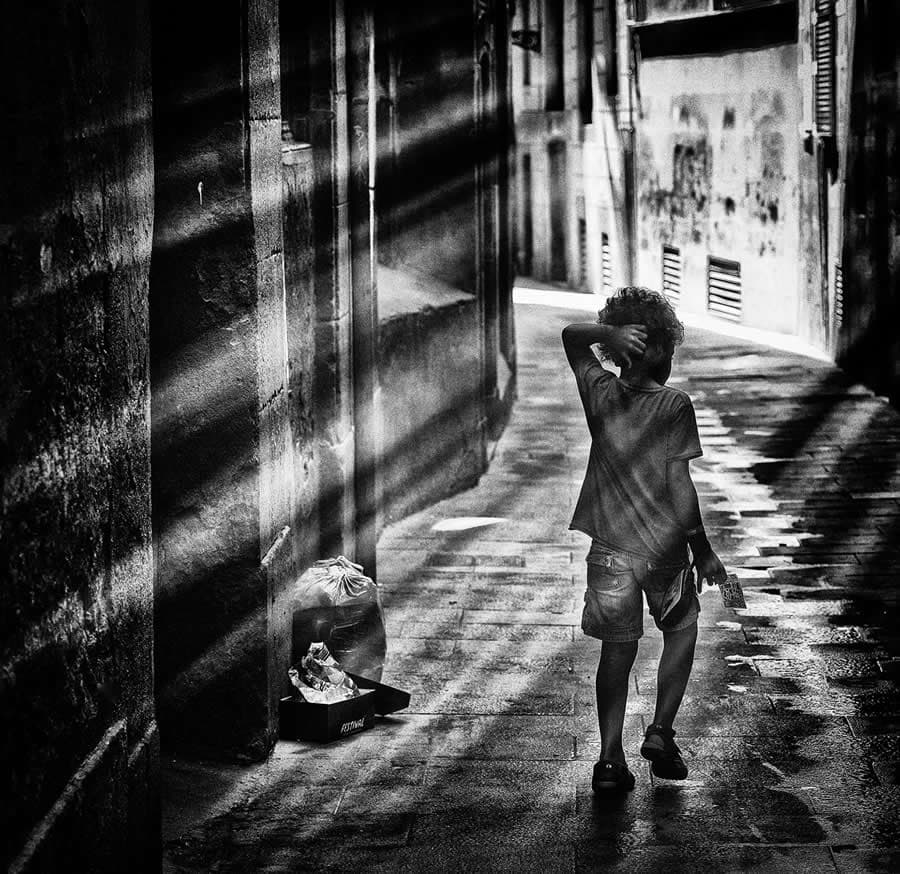
Luis Casadevall’s Havana project lands in Madrid as more than a photo exhibition. At the Ateneo de Madrid, the show turns a long stretch of repeated visits into a visual record of a city defined by unfinished buildings, worn streets, private routines, and a stubborn human warmth that never quite disappears. A curated set of 34 black-and-white photographs pulls from an archive of more than 65,000 images, giving the exhibition the feel of a city diary rather than a single, polished statement.
That scale is the point. Casadevall first went to Cuba about 14 years ago and kept returning over the next 12, building the project image by image in Havana. The result is not a travel brochure and not a crisis album either. It is a record of how daily life looks when a city is lived in over time, watched closely, and allowed to contradict itself.
What the exhibition is really showing
The exhibition, titled *Aún nos queda el alma. La Habana*, is part of PHotoESPAÑA 2026 and is being shown at the Ateneo de Madrid from June 2 to June 14, 2026. PHotoESPAÑA presents the project in English as *We Still Have the Soul*, a title that captures the emotional register behind the pictures without turning them into sentiment. The festival runs from May 14 to September 14, 2026, and this Havana series sits inside that broader program as one of its most direct looks at the city as lived space.
Casadevall’s method matters as much as the images themselves. According to the exhibition material, he did not set out to make a narrow portrait of tourist Havana. Instead, he was drawn to the city’s contradictions: the unfinished buildings, the neglect, the unpaved streets, and the warmth of the people. He spent time with locals, visited homes, and learned from everyday routines, which helps explain why the pictures feel close to the ground rather than staged for outsiders.
That approach gives the show a quiet force. Rather than pushing one fixed interpretation of Cuba, the images leave room for tension, endurance, and ordinary life. PHotoESPAÑA describes the project as moving away from tourist clichés and focusing on what is not always seen but defines the community, especially the everyday dignity and resilience of the people portrayed.
Why the archive matters now
The most important detail in the exhibition is not just that Casadevall took a lot of photographs, but that he kept returning long enough for change to become visible. Over 12 years, small shifts in architecture, street life, and mood can tell a bigger story than a single dramatic moment. In that sense, the show works as a visual archive of Havana across more than a decade, capturing both what has changed and what has endured.
That long view is especially valuable because images of Cuba are often flattened into familiar shorthand. Havana photo books frequently lean on the same visual triggers, old cars, crumbling facades, ballerinas, cigars, and the sea. Casadevall’s black-and-white work stands apart because it resists that easy pattern. The city still looks unmistakably Havana, but the emphasis falls on presence, texture, and lived-in reality rather than postcard cues.
One image debate mentioned around the project makes that clear: Casadevall wanted to use a photograph of a dancer in front of the Cuban flag as the book cover. That choice suggests how the series balances national symbol and individual life, identity and everyday motion. It is a reminder that the archive is not only about what Cuba looks like from the street, but about how it is imagined, argued over, and remembered.
The people behind the project
Chema Conesa, who shaped the selection, describes the approach as preserving a neutral gaze rather than a prosecutorial one. That distinction is important in a body of work about Havana, where outside commentary often swings too quickly between praise and condemnation. The photos do not ask the viewer to choose one side of Cuba’s story. They show a place where commitment to revolution can sit alongside a desire to open to the world, and they do it without forcing the point.
The project’s book, published by La Fábrica, extends that same idea. Leonardo Padura wrote the foreword, and PHotoESPAÑA quotes him on the endurance of Cuba’s soul, framing the work as something that survives through memory and shared experience. Casadevall is identified in publisher listings as a Sevilla-born photographer and creative professional who moved into documentary photography after a career in Spanish advertising, which adds another layer to the project. An outsider spent more than a decade making an insider’s record, and that tension gives the photographs their charge.
How to see the exhibition
The exhibition is at the Ateneo de Madrid, C/ del Prado, 21, and is open from June 2 to June 14, 2026. Visiting hours are Tuesday to Saturday from 12:00 to 20:00, and Sundays from 12:00 to 14:00. The show is part of PHotoESPAÑA 2026, so it fits into a larger festival calendar for anyone moving through Madrid’s photo scene this season.
Practical visiting details
- Venue: Ateneo de Madrid, C/ del Prado, 21
- Dates: June 2 to June 14, 2026
- Hours: Tuesday to Saturday, 12:00 to 20:00; Sundays, 12:00 to 14:00
- Festival: PHotoESPAÑA 2026
- Format: Selection of 34 black-and-white photographs from an archive of more than 65,000 images
Seen this way, the exhibition is not just about Havana as a subject. It is about what 12 years of looking can reveal that a quick visit cannot: the persistence of routine, the weight of neglect, the dignity of people who keep building daily life inside contradiction. That is why these photographs matter beyond the gallery wall, and why Havana, in Casadevall’s hands, feels less like a scene and more like a living record.
This article was produced by Prism’s automated news system from verified source data, official records, and press releases, then run through automated quality and moderation checks before publishing. The system is built and supervised by the people who set the standards it runs under. Read our full AI policy.
Know something we missed? Have a correction or additional information?
Submit a Tip