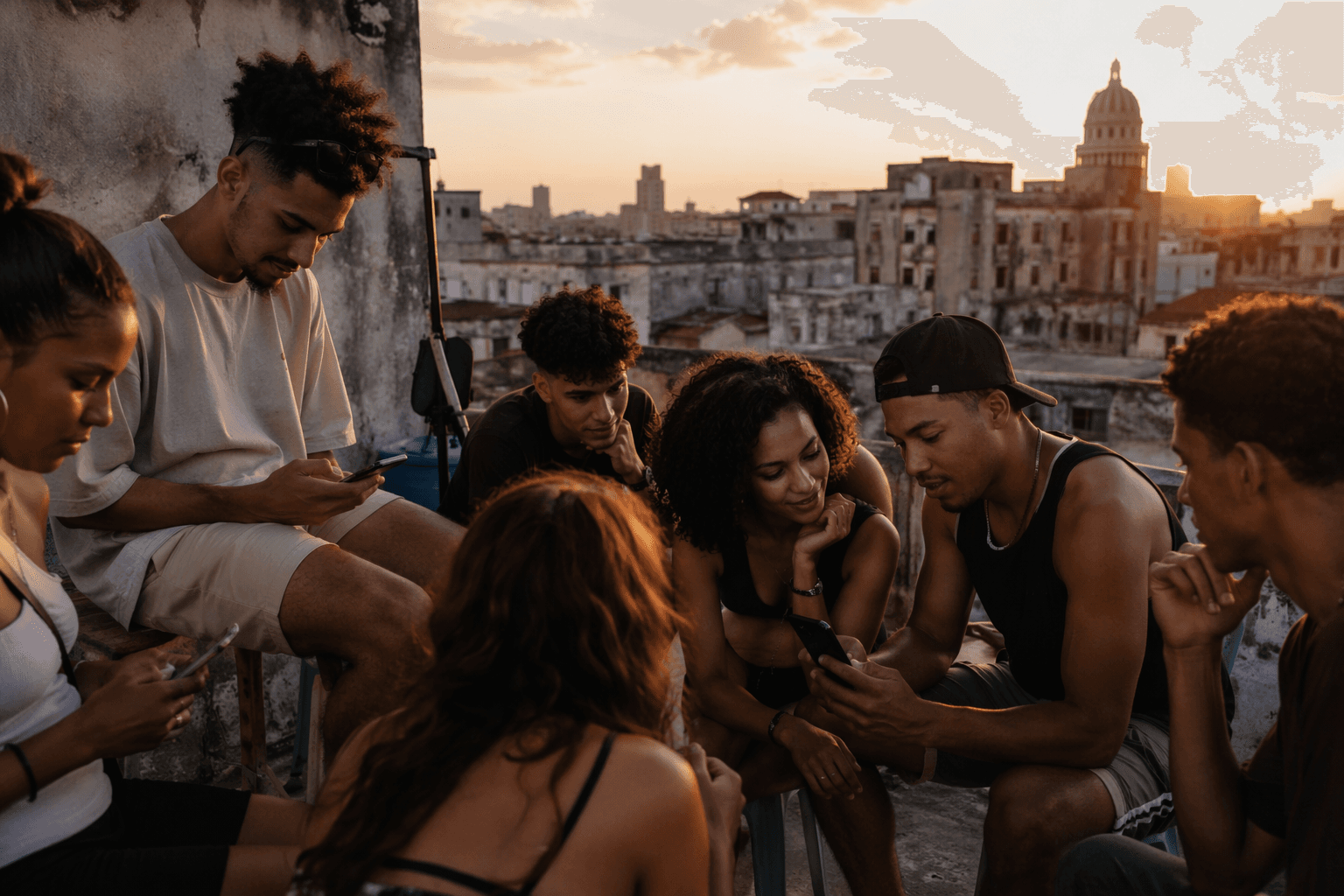
Miami Cuban-American investors prepare for Cuba reconstruction boom
Miami’s Cuban-American investors are building a post-Castro capital network, but the plan only works if Cuba changes first and the sanctions wall cracks.
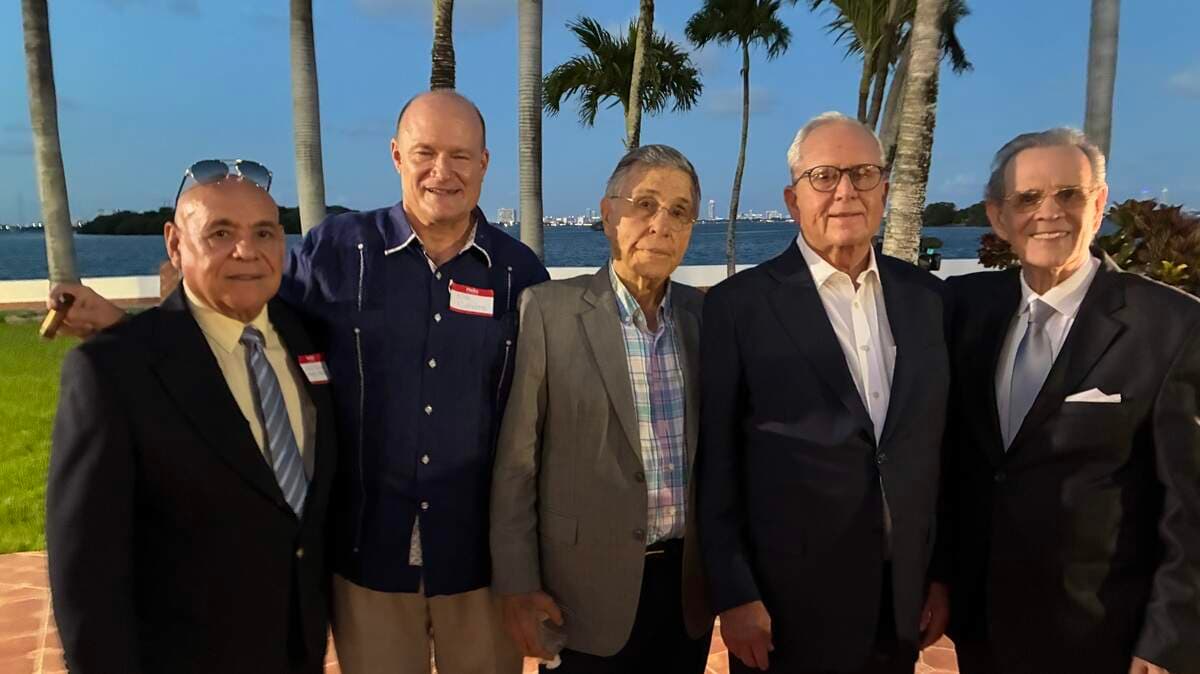
Miami’s Cuban-American money crowd is building for a Cuba that does not exist yet. The Cuban-American National Chamber of Commerce has organized around the idea that political change on the island will eventually open a reconstruction boom, and its pitch is blunt: line up wealthy families now, then move capital later.
The chamber says it was founded by Cuban-Americans in the United States and envisions a future Cuba that is free and democratic, with legal guarantees for commerce. Its website says members will deal only with future private entrepreneurs in Cuba, not people tied to the current political regime. The published leadership includes Juan Omar Sixto as president, Rafael V. Sixto as vice president, and Nicolas J. Gutierrez Jr. as secretary, with trustees that include Christian Eiroa, Joseph Hernandez, Lombardo Perez, Federico Ramirez and others.
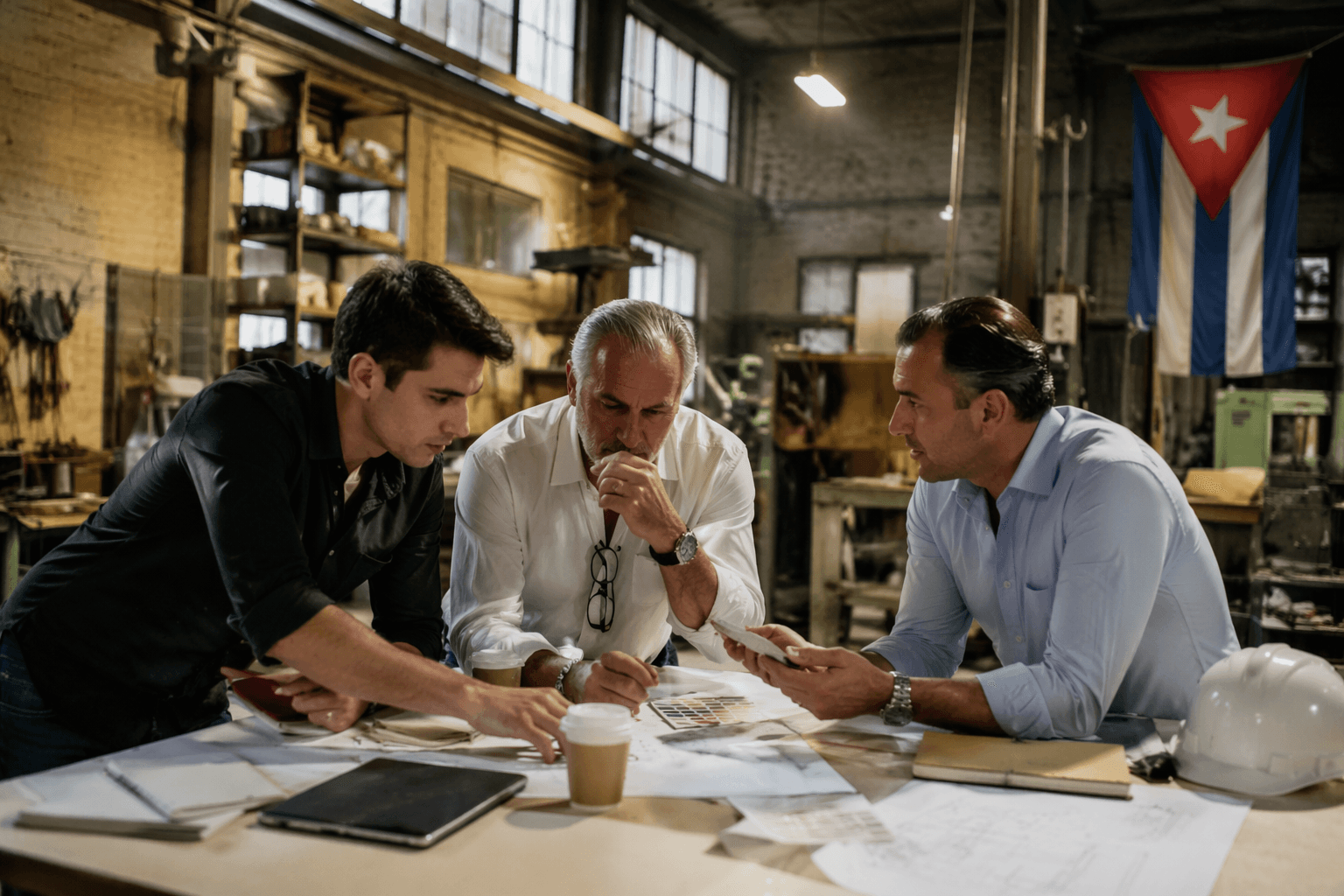
This is not just a branding exercise. Organizers said a March 31 Miami meeting produced a proclamation with roughly 50 signatures from South Florida business owners, and the plan sketched possible investment in retail, real estate, manufacturing, tobacco and auto dealerships if Cuba becomes free and democratic. The chamber’s own goal is to gather 100 wealthy Cuban-American families to promote investment once political change comes, turning the effort into a long-term capital network rather than a one-off pledge.
That long view is exactly what gives the plan its hard edge, and its biggest weakness. Cuba’s government announced in March 2026 that Cuban nationals living abroad could invest in and own private businesses on the island, but U.S. sanctions and the embargo still stand in the way of any quick flood of diaspora money. In other words, Miami is preparing for a market that would need a political rupture, clearer property rules, and a real legal framework before the first serious dollar can move.
The chamber is also talking like a future financial institution, not just a political club. Reporting has described its aim as creating a stock exchange and providing financial education when political change finally comes, a sign that the group wants to shape the architecture of a new Cuban economy, not merely profit from it.
For now, though, the reconstruction boom remains a bet on regime change. Miami’s investors are laying track for a train that has not left Havana, and the distance between the proclamation and a functioning market is still measured in sanctions, uncertainty and politics.
This article was produced by Prism’s automated news system from verified source data, official records, and press releases, then run through automated quality and moderation checks before publishing. The system is built and supervised by the people who set the standards it runs under. Read our full AI policy.
Did this article answer your question?