Poilievre criticizes Lewis call to send Canadian oil to Cuba
Poilievre’s attack on Lewis lands in a Cuba crisis where the grid has failed three times, surgeries are backlogged, and Ottawa is already sending $8 million.
Sending Canadian oil to Cuba would not be a symbolic gesture. It would hit an island where the national power system has disconnected three times in a single month, more than 96,000 surgeries are waiting, and about one million people depend on water trucking that is already short of diesel.
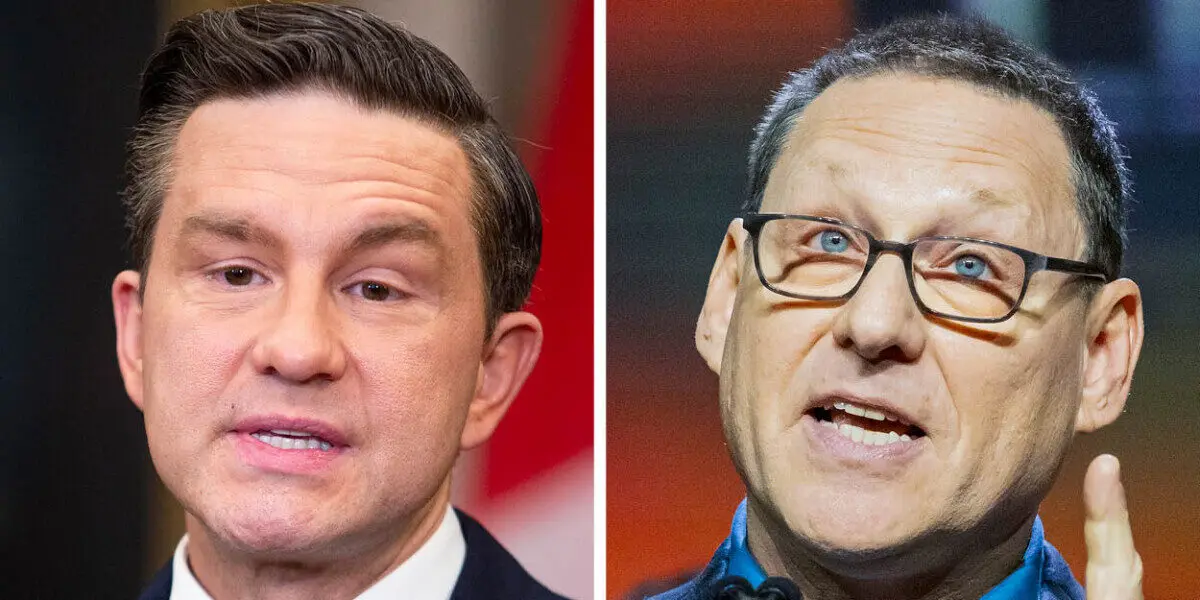
That is the backdrop for Pierre Poilievre’s criticism of Avi Lewis’s call to send Canadian oil to the Cuban government. The argument has quickly become bigger than a partisan line. In practice, it is a test of whether Ottawa sees fuel as humanitarian relief, a sanctions workaround, or political theater.
The pressure on Canada is real because the crisis in Cuba is not abstract. CBC reported on February 21, 2026, that Canadian airlines had already returned more than 27,900 travellers from Cuba before suspending service, a reminder that the island’s shortages were spilling into daily life well beyond the blackouts. Two days later, Global Affairs Canada announced $8 million in immediate humanitarian aid, to be delivered through the World Food Program and UNICEF to bolster food security and nutrition for vulnerable Cubans.
Ottawa framed that aid as Canadian foreign policy and said it had not been discussed with U.S. Secretary of State Marco Rubio. That matters because any move to send oil would carry a far higher diplomatic cost than a food-aid package. Canada has long kept relations with Havana despite Washington’s pressure, and it remains one of Cuba’s top trading partners, with roughly $1 billion in two-way trade each year. But shipping fuel would push the relationship with the United States into sharper territory, especially after the U.S. moved at the end of January to block oil supplies entering Cuba.

The political split at home is already visible. CBC reported that interim NDP leader Don Davies and Bloc Québécois Leader Yves-François Blanchet called for immediate aid, while Dominic LeBlanc said an announcement was coming soon. Separately, the Canadian Centre for Policy Alternatives published a paper in February titled Send Canadian Oil to Cuba, adding fuel to the argument Lewis is making.
Cuba’s ambassador to Canada, Rodrigo Malmierca Diaz, told MPs the oil blockade was meant to create a humanitarian crisis and force regime change. The UN’s April 6 update underscored how severe the damage has become, with an emergency plan aimed at about two million people across eight provinces.
That is why the oil question is not just about compassion. It is about whether Ottawa wants to deepen its role in Cuba’s emergency or risk turning a humanitarian response into a fight with Washington.
This article was produced by Prism’s automated news system from verified source data, official records, and press releases, then run through automated quality and moderation checks before publishing. The system is built and supervised by the people who set the standards it runs under. Read our full AI policy.
Did this article answer your question?