Rubio blames Cuba's leaders for crisis, offers sanctions relief
Rubio tied aid and sanctions relief to sweeping change in Havana, but Cuba’s blackouts, shortages and state controls make that path look far narrower than the headline suggests.
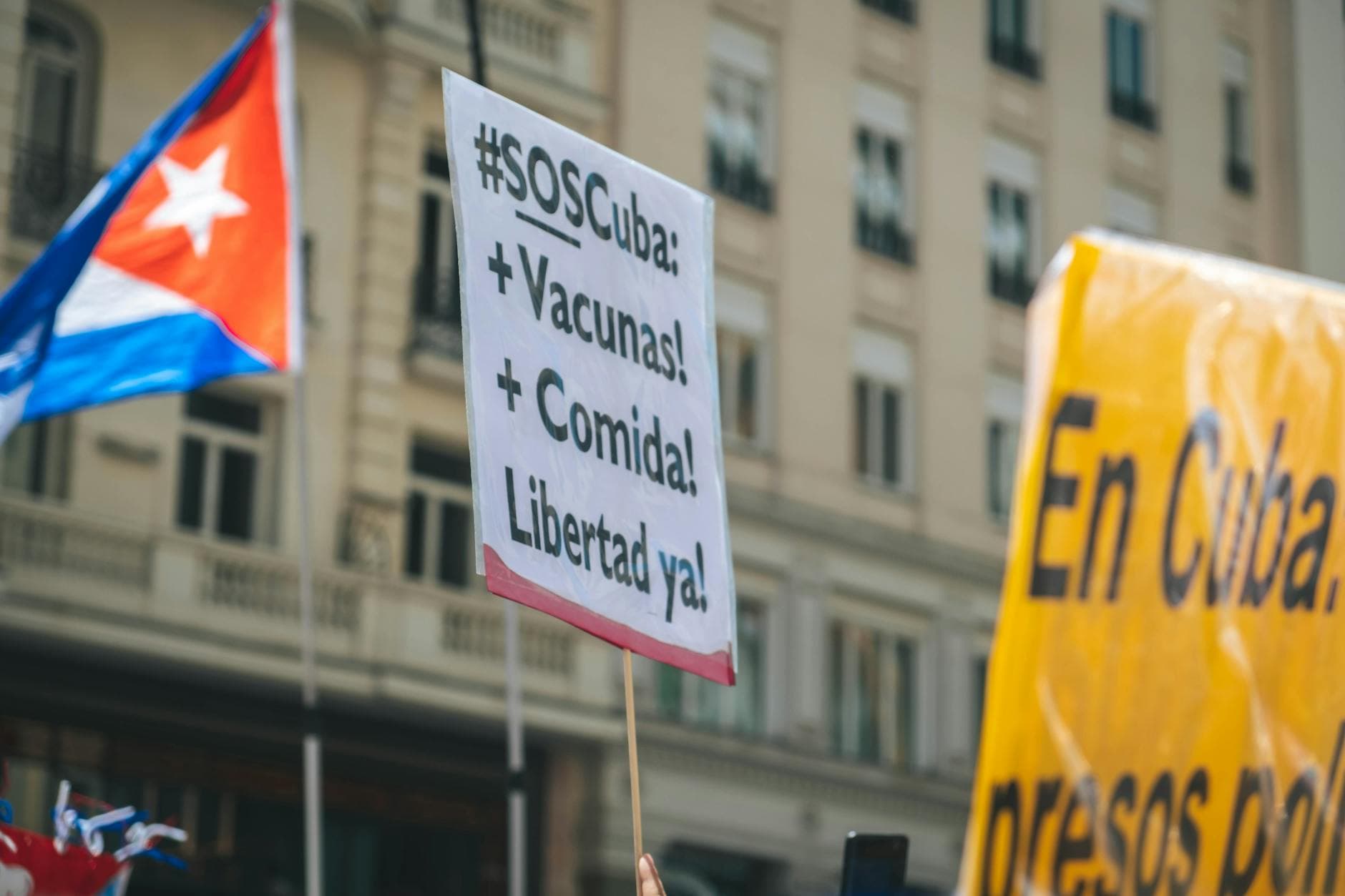
Marco Rubio used Cuban Independence Day to promise relief to Havana, but only on terms that would upend the system now running the island’s economy, travel and access to basic goods. In a Spanish-language video released on May 20, he said the Cuban flag first flew over an independent country on May 20, 1902, then cast today’s crisis as the result of “67 years of tyranny, censorship and human rights abuses.” He said Cubans were living through “unimaginable hardships” because leaders had plundered billions while electricity, fuel and food collapsed.
The offer Rubio paired with that indictment was concrete, but limited. He said the United States was prepared to help alleviate the crisis and build a better future, including $100 million in food and medicine to be distributed by the Catholic Church or other trusted charitable groups. For Cuban families, that could mean medicine reaching a neighborhood before it disappears, or food moving through channels that still function. But it is not the same as reopening the wider channels that shape family travel, tourism, artist mobility and commercial imports. Rubio also framed the issue as political as much as economic, asking why Cubans should not have private business and the right to vote if those rights exist outside the island.
That is where the gap between rhetoric and reality opens up. Rubio said Cuba’s rulers had built a system centered on GAESA, the military-run conglomerate founded by Raúl Castro, and claimed it controls 70% of the Cuban economy and has $18 billion in assets. Any serious sanctions relief would have to pass through that structure, not around it, and through a political system Washington is still treating as the target of pressure, not partnership. Analysts and critics said the new sanctions were meant to provoke short-term pain and force regime change, while Cuban officials portrayed the campaign as illegal and inhumane.
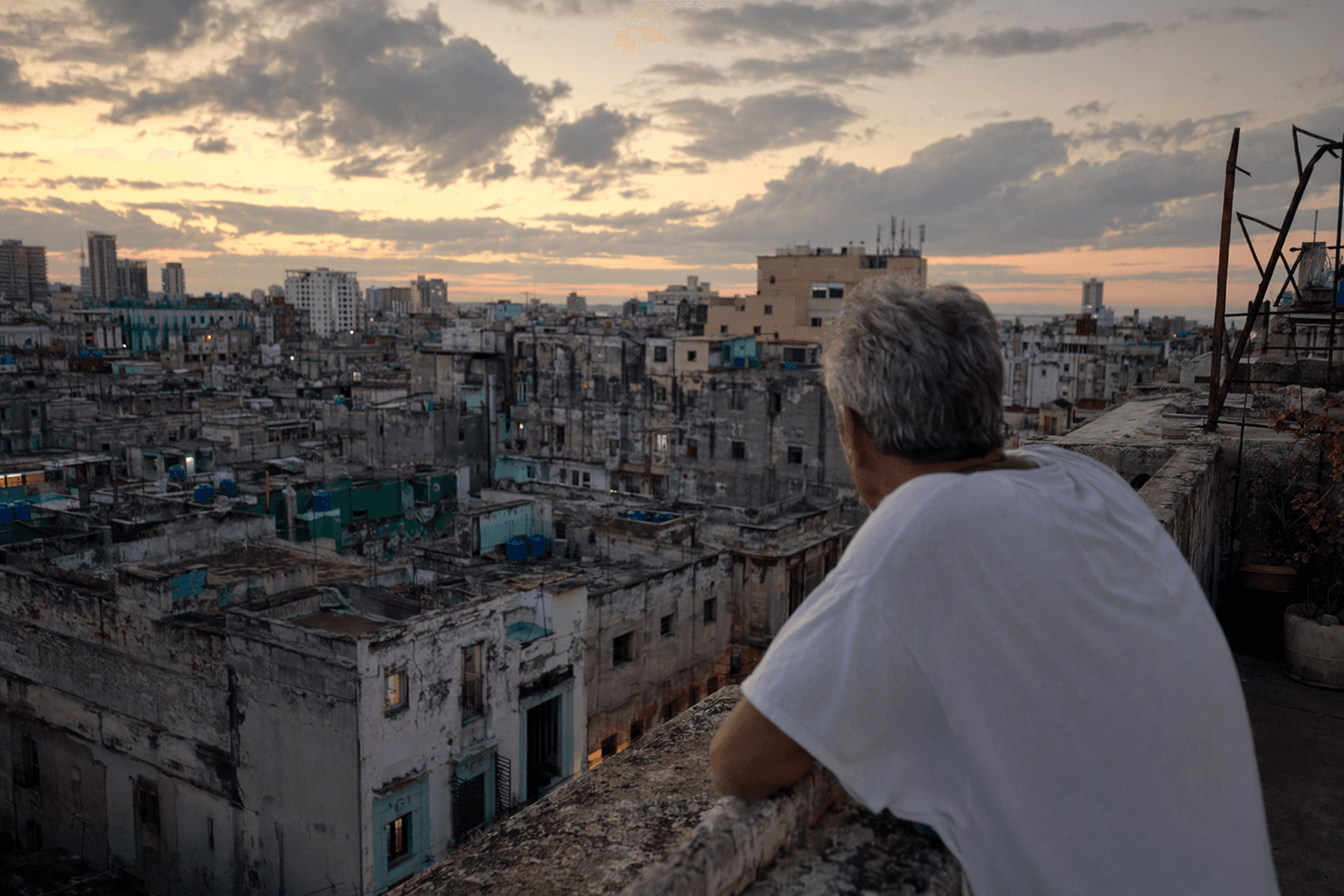
The pressure was already rising before Rubio’s message went out. On May 7, he announced sanctions targeting GAESA, Ania Guilermina Lastres Morera and Moa Nickel SA. Mid-May reporting said a major blackout had left about 65% of the country in darkness. At the same time, the Trump administration was expected to announce criminal charges against Raúl Castro over the 1996 shootdown of two civilian aircraft, and later court records showed he had been indicted in the United States on murder charges.
Cuba’s embassy in Washington said Rubio lied and accused the United States of cruelty. That response captured the core contradiction in the day’s message: a promise of help to Cubans wrapped inside a harsher squeeze on the institutions that govern travel, work and the flow of goods. The flag Rubio invoked flew in 1902; the real test now is whether any relief can survive the political path his own administration has laid down.
Know something we missed? Have a correction or additional information?
Submit a Tip