Russia backs Cuba politically, but offers no defense commitment
Sergei Lavrov offered Cuba oil and political backing, but stopped short of any pledge to defend the island if pressure from Washington deepens.
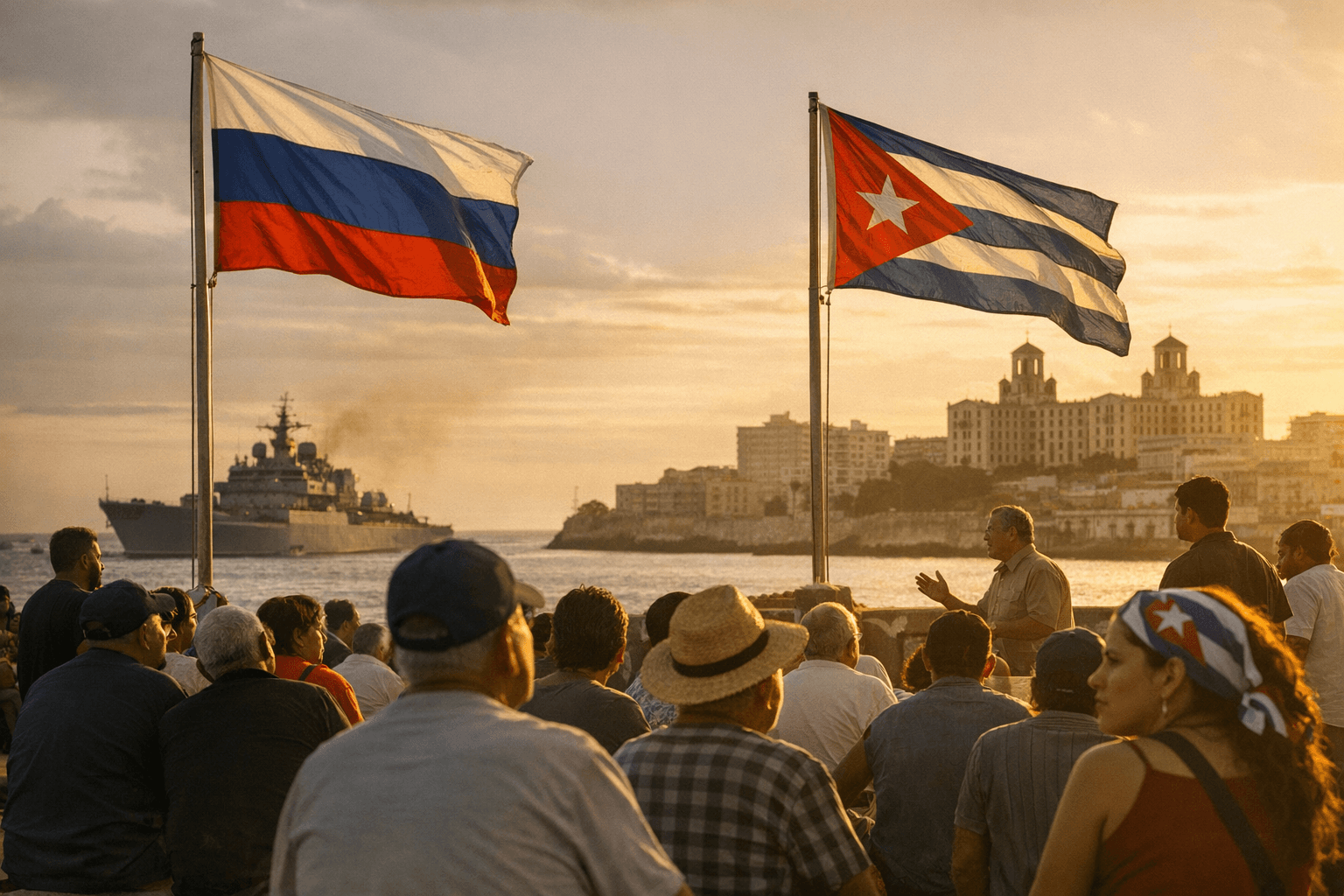
Havana got reassurance from Moscow, but not the one it may have wanted most. When the Russian embassy in Cuba circulated Sergei Lavrov’s remarks, the message was clear enough on politics and supplies: Russia would keep backing Cuba with oil, humanitarian aid and diplomatic support. What was missing was any commitment to fight for the island if a confrontation with the United States turned sharper.
That gap matters because Lavrov’s words came at a moment when Cuba’s leadership has been warning openly about U.S. pressure and possible intervention. The language was careful. Moscow was willing to stand beside Havana, but the responsibility for defending Cuba remained with the Cuban government itself. For Cuban officials, that distinction is more than diplomatic nuance. It is a reminder that Russia still wants influence in the Caribbean, but not a military obligation.
The practical limits of that support were laid bare in the oil figures. Lavrov said Russia had sent the first tanker carrying 100,000 tons of oil, about 700,000 barrels. Reuters reported that the tanker Anatoly Kolodkin offloaded Russian Urals crude in late March at Matanzas Bay. Even by Moscow’s own account, the shipment would only cover a couple of months of demand. Mexico, another major supplier, had already halted shipments, leaving Cuba more exposed than before.
That exposure is visible in daily life. By April 23, Cuba had endured nearly four months of hours-long rolling blackouts. The fuel shortage helped trigger three major national blackouts and pushed many foreign airlines to suspend flights to the island. Yani Cabrera, a Havana resident, said the improvement from the Russian oil was noticeable, but energy minister Vicente de la O Levy warned that the relief would be short-lived. The United Nations said fuel shortages deepened after Washington moved at the end of January to block oil supplies entering Cuba, and it said humanitarian needs remained acute and persistent even after the Russian delivery.
Washington’s pressure campaign explains why the wording from Moscow landed so heavily. Reuters reported that the Trump administration threatened punitive tariffs on countries sending crude to Cuba, while the U.S. allowed the Russian shipment to dock on humanitarian grounds. That combination left Havana with a narrow opening, but not a shield. Russia’s message was useful politically and helpful at the margin for fuel-starved Cuba, yet it also exposed the island’s strategic vulnerability: solidarity from abroad can keep the lights on for a while, but it does not guarantee security when the pressure rises.
This article was produced by Prism’s automated news system from verified source data, official records, and press releases, then run through automated quality and moderation checks before publishing. The system is built and supervised by the people who set the standards it runs under. Read our full AI policy.
Did this article answer your question?