Luis Manuel Otero Alcántara doubts release as Cuba frees some prisoners
Luis Manuel Otero Alcántara says he still expects to stay in jail, even after Cuba said it would free more than 2,000 prisoners and Washington pressed for his release.
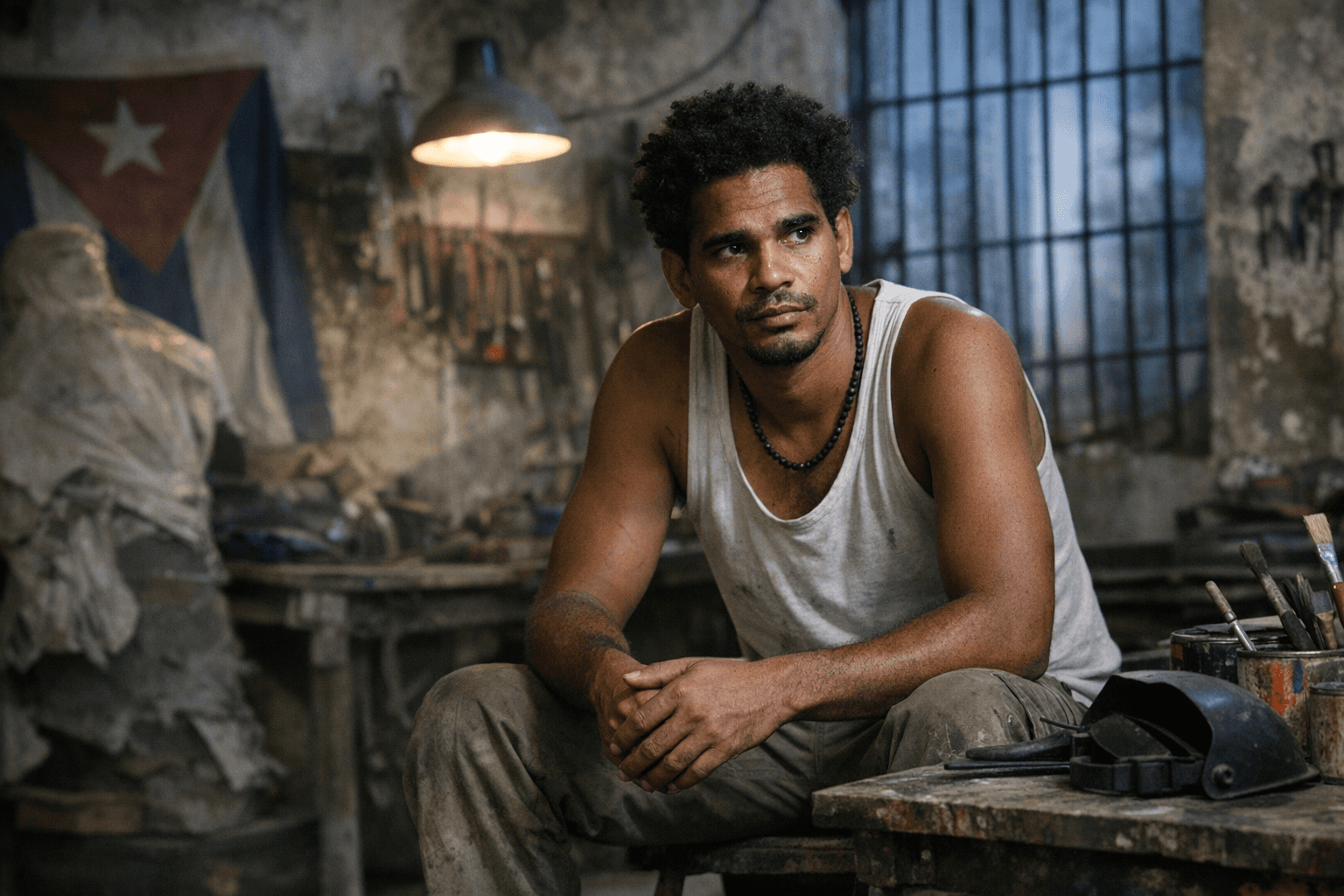
Luis Manuel Otero Alcántara has become one of the clearest signs of how little outside pressure can move Cuba’s political-prisoner system. Even as the Trump administration pushed for the release of high-profile detainees, including him, the artist and dissident said he doubted he would get out soon.
His case has carried that weight since the night of July 11, 2021, when Cuban authorities arrested him before he could join the mass anti-government demonstrations that spread across the island. He was taken first to Villa Marista prison in Havana and later moved to Guanajay, a maximum-security prison. In June 2022, a Cuban court sentenced him to five years in prison. In the same case, rapper and activist Maykel “Osorbo” Castillo Pérez received a nine-year sentence.
The two men were closely tied to the San Isidro Movement, and both became symbols of the protest culture that grew around Patria y Vida, the song that turned into a major anti-government anthem. Their sentences hardened the view among rights groups that Cuba was treating artistic dissent and political opposition as criminal conduct. PEN America condemned the sentences on June 24, 2022, and other advocates, including PEN International, the Artists at Risk Connection and the Tom Lantos Human Rights Commission, have repeatedly called for Otero Alcántara’s release.
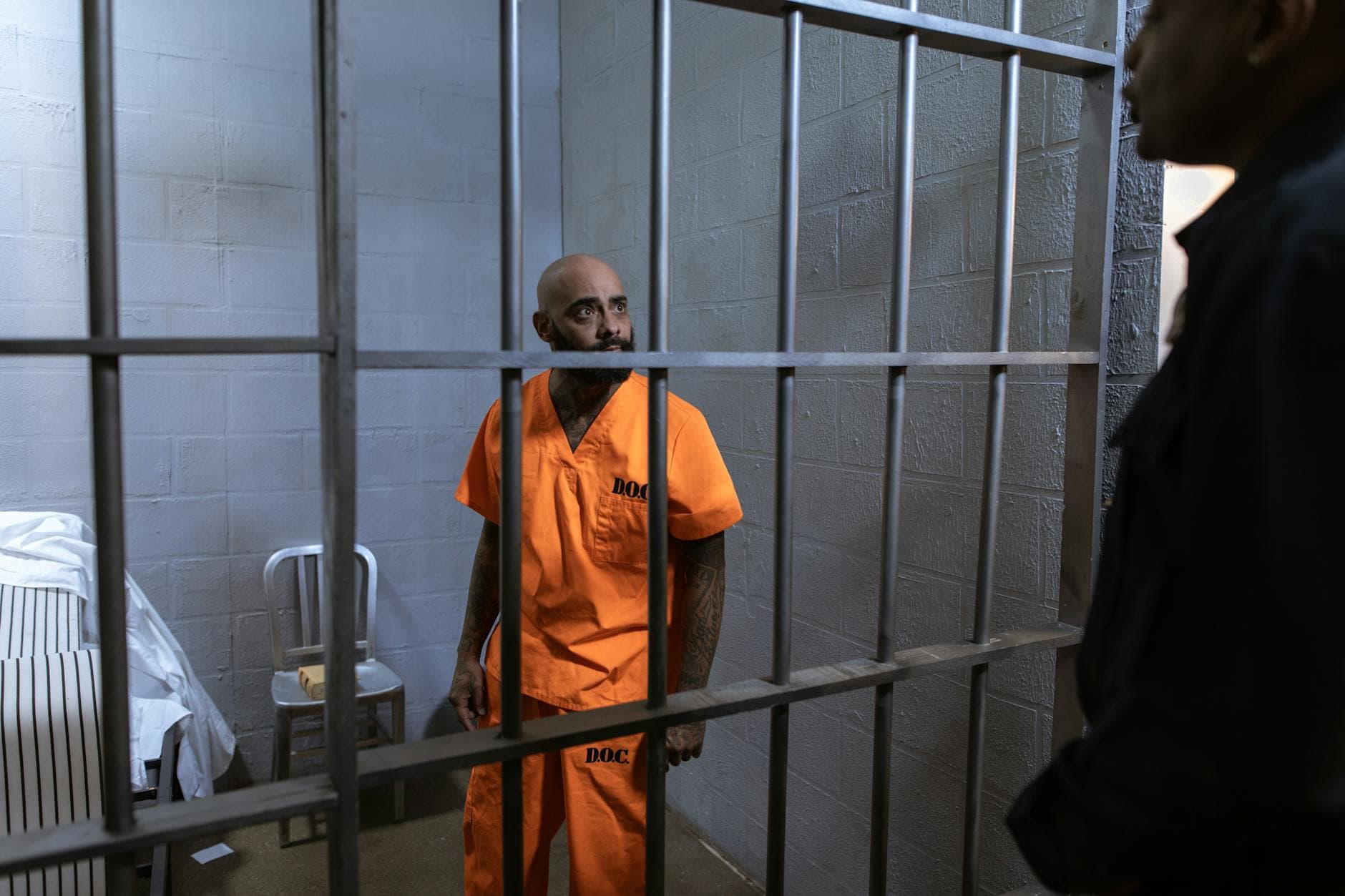
The timing in 2026 made the standoff sharper. In early April, Cuba announced the release of more than 2,000 prisoners, a move the Cuban Embassy in Washington described as a “humanitarian and sovereign gesture.” But the amnesty reportedly excluded people charged with “crimes against authority,” a label often used against dissidents. That left Otero Alcántara outside the apparent opening, despite the renewed pressure from Washington and the growing expectation that Havana might use the releases as a political signal.
The Cuban Supreme Court has already confirmed that he will remain in prison until July 9, 2026, after rejecting his appeal. For Otero Alcántara, the message is stark: Cuba can free prisoners in bulk, but when it comes to figures who have become public symbols of defiance, the system still appears designed to hold the line.
This article was produced by Prism’s automated news system from verified source data, official records, and press releases, then run through automated quality and moderation checks before publishing. The system is built and supervised by the people who set the standards it runs under. Read our full AI policy.
Did this article answer your question?