Sanctioned Russian tanker misses Cuba, drifting amid fuel crisis
A sanctioned tanker carrying 270,000 barrels of diesel drifted in the Sargasso Sea instead of reaching Cuba, widening an already brutal fuel squeeze.
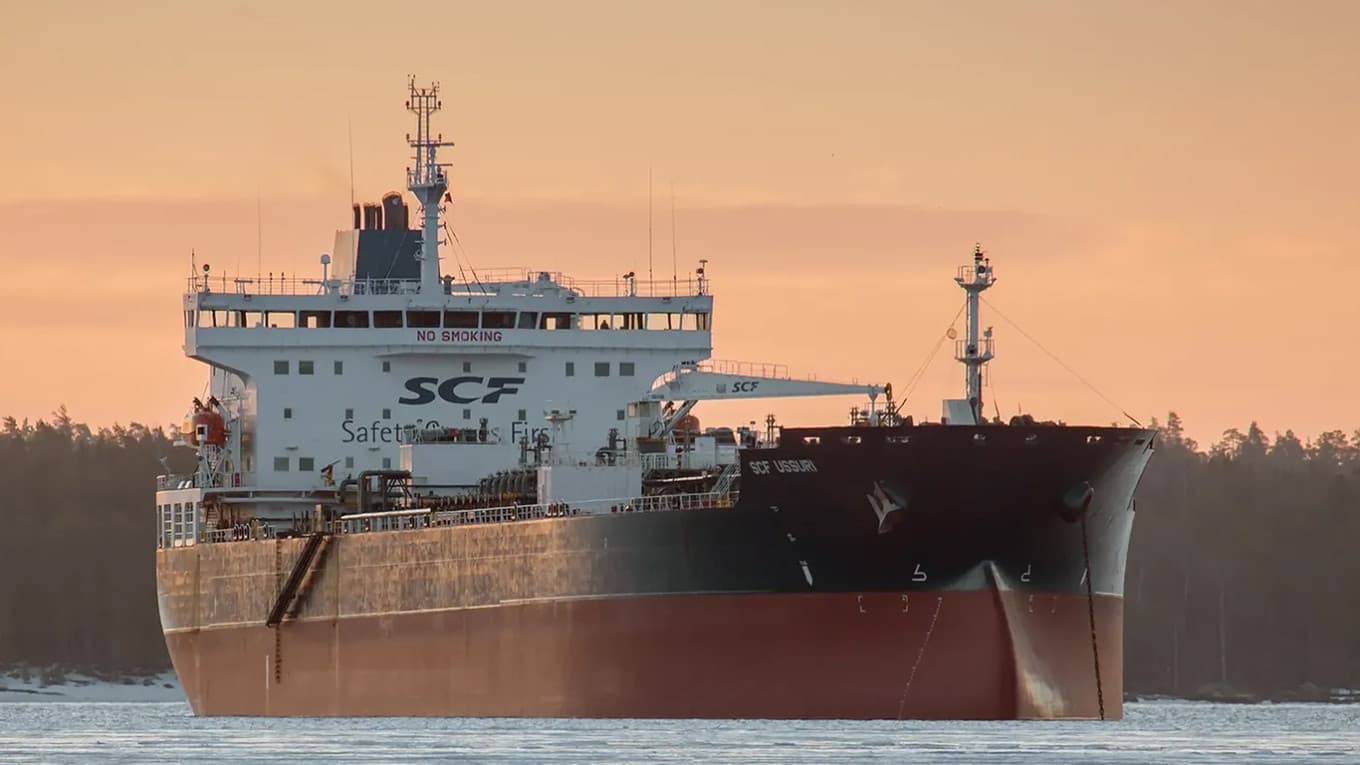
Cuba’s fuel crisis took another hit when the sanctioned Russian tanker Universal drifted for weeks far from Havana, carrying nearly 270,000 barrels of diesel and never making the delivery that had been expected to ease the island’s shortage. Instead of closing the gap, the ship ended up in the Sargasso Sea, about 1,600 kilometers northeast of Cuba, then turned toward Brazil with its destination listed as for order, a sign that no final port had been declared.
That failed voyage landed after an earlier Russian shipment had briefly steadied Cuba’s supply. On March 31, the tanker Anatoly Kolodkin docked in Matanzas with about 700,000 to 730,000 barrels of crude, the first significant oil delivery to Cuba since the Trump administration cut off the island’s fuel supply. The vessel entered Cuban waters near the U.S. naval base at Guantánamo Bay, and Washington allowed the delivery for humanitarian reasons.
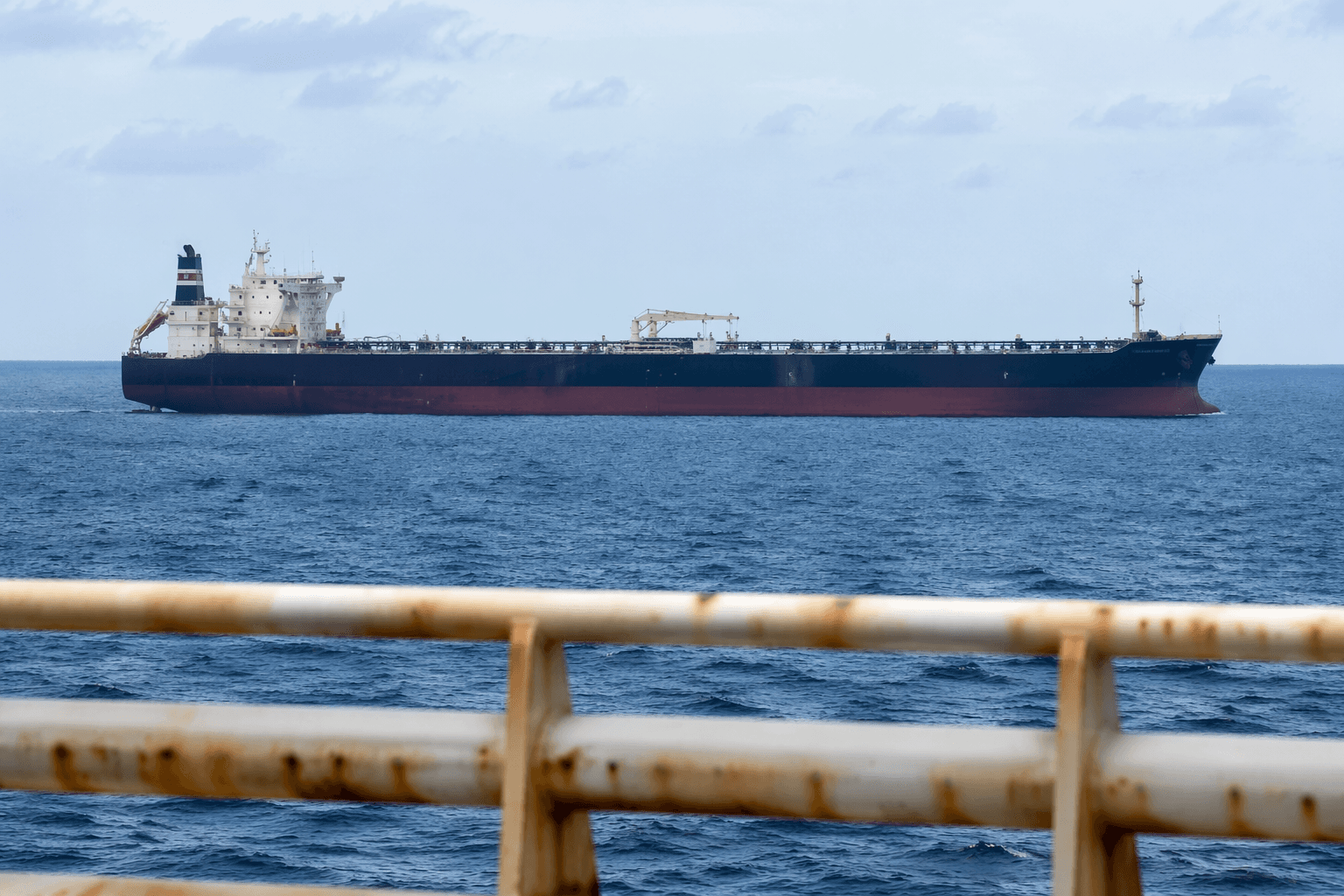
The relief did not last. In mid-May, Energy Minister Vicente de la O Levy said Cuba had run out of fuel oil and diesel, and the country’s national grid was already in a critical state. By May 14, fuel reserves were gone, blackouts were worsening around Havana, and rare protests were breaking out in neighborhoods near the capital. What had started as an energy shortage had become a public-order problem.
Universal shows how many obstacles now stand between Cuba and the fuel it needs. The tanker left the Russian Baltic port of Vistino in April, was escorted through the English Channel by a Russian military convoy, and had been drifting since mid-April. It is controlled by North Fleet, which shares an address with a Sovcomflot office in St. Petersburg, and Russian officials have said Moscow does not intend to seek permission from other countries to supply its oil. The ship was the second fuel vessel Russia had loaded for Cuba this year.
For Cuba, that means the crisis is no longer just about finding money to buy fuel. It is about getting diesel and crude across a heavily politicized maritime route, through sanctions pressure and shifting routes, before the cargo can reach Matanzas or Havana. One tanker that never arrived was enough to show how quickly transport, water pumping, food distribution, and hospital logistics can all tighten at once when a delivery gets stuck at sea.
This article was produced by Prism’s automated news system from verified source data, official records, and press releases, then run through automated quality and moderation checks before publishing. The system is built and supervised by the people who set the standards it runs under. Read our full AI policy.
Know something we missed? Have a correction or additional information?
Submit a Tip