Spanish hotel operators in Cuba face sanctions deadline over GAESA ties
June 5 is the hard stop for Cuba hotel ties: Meliá, Iberostar, Barceló and Sunwing face sanctions risk if they stay linked to GAESA.
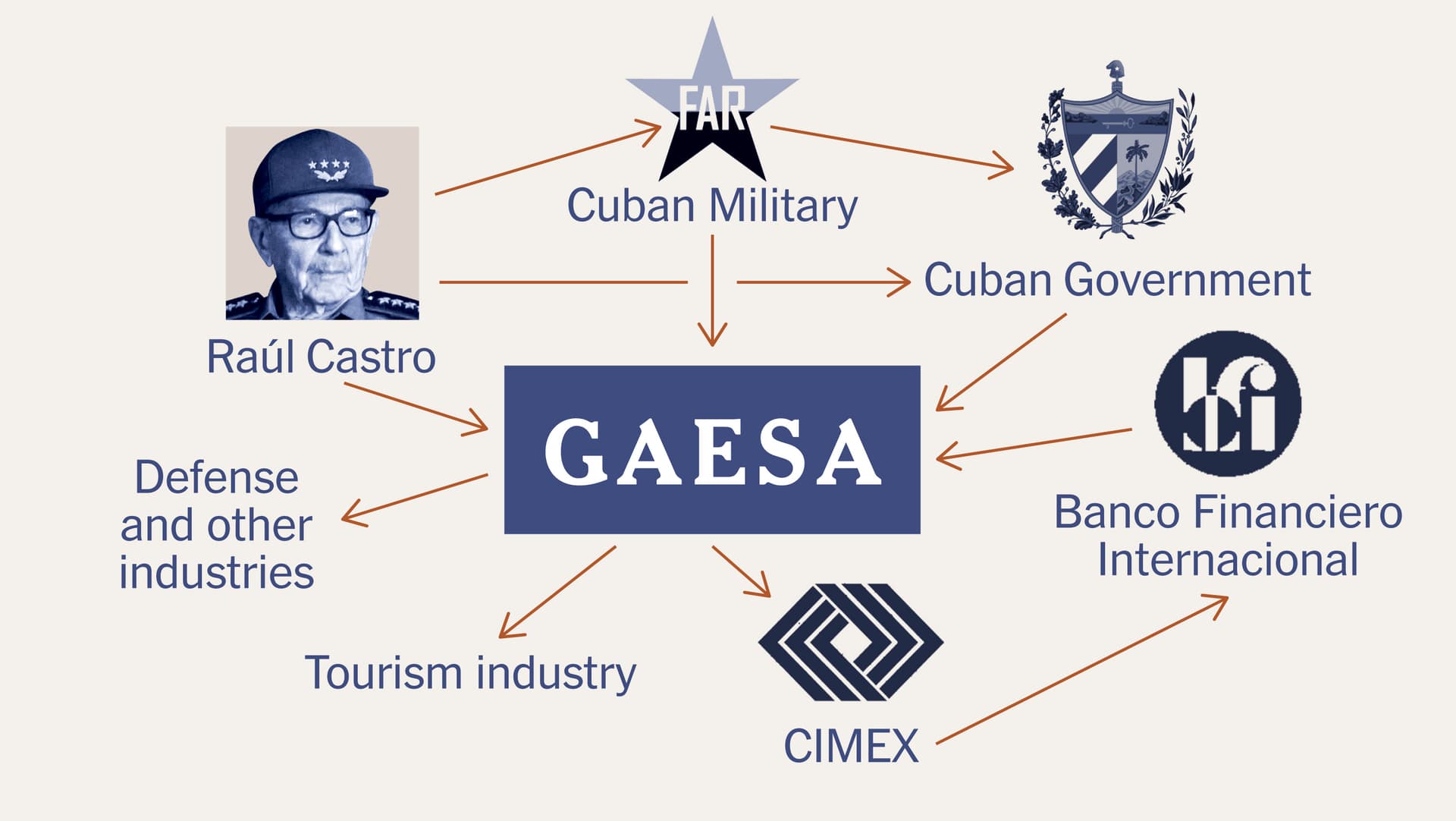
The June 5 deadline is the date every Cuba hotel desk in Madrid is staring at. Spanish chains Meliá Hotels International, Iberostar and Barceló are exposed because so much of their Cuba inventory runs through Gaviota, the tourism arm tied to GAESA, the military-controlled conglomerate Washington just put in its sights. Spanish tourism companies are reported to manage about 30,000 rooms on the island, with Meliá alone controlling more than 14,000 rooms across 34 hotels.
The clock started on May 1, when President Donald Trump issued Executive Order 14404, and it tightened again on May 7, when Secretary of State Marco Rubio designated GAESA under that order. The State Department says GAESA is a Cuban military-controlled umbrella enterprise that controls an estimated 40 percent or more of Cuba’s economy. OFAC says foreign persons and foreign financial institutions generally face sanctions risk for dealing with GAESA, but the U.S. government does not intend to target wind-down transactions through June 5, 2026, giving companies only a 30-day exit window before the risk hardens.
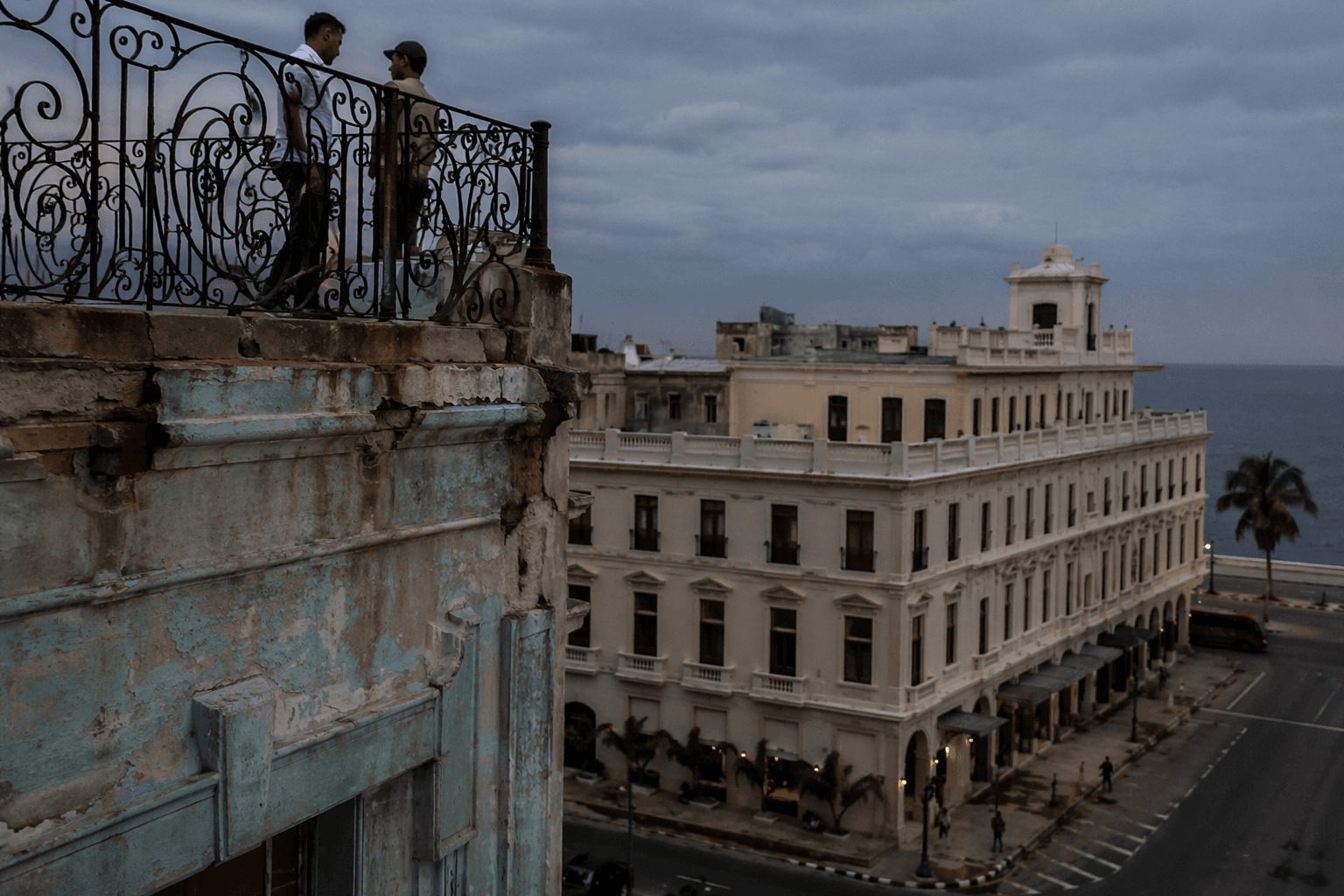
For travelers, the practical hit is not abstract policy, it is booking friction and payment risk. The Cuba Restricted List already names Gaviota and a long slate of hotels in Havana and Varadero, and the Cuba Prohibited Accommodations List bars U.S.-jurisdiction travelers from lodging, paying for lodging or making reservations at listed properties. That puts wholesalers, intermediaries, tour firms and other U.S.-linked travel services on notice, because anything that routes reservations or payments through GAESA-linked inventory now has to be scrubbed fast.
The bigger question is what happens to summer supply and prices if operators start pulling back. If Meliá, Iberostar and Barceló begin unwinding contracts across the roughly 30,000 rooms they manage, the first squeeze will show up in inventory, not headlines, and that could tighten availability and put upward pressure on rates in the main resort markets. The pressure lands on top of an embargo that has been in place since February 1962, but this round is sharper because it reaches straight into the foreign hotel partners that help keep Cuba’s tourism machine running.
This article was produced by Prism’s automated news system from verified source data, official records, and press releases, then run through automated quality and moderation checks before publishing. The system is built and supervised by the people who set the standards it runs under. Read our full AI policy.
Did this article answer your question?