Starving Lions at Camagüey Zoo Spark Outrage, Prompt Rushed Cleanup
Images of emaciated lions at Camagüey's Casino Campestre zoo went viral, prompting a rushed cleanup and police calls against would-be donors.
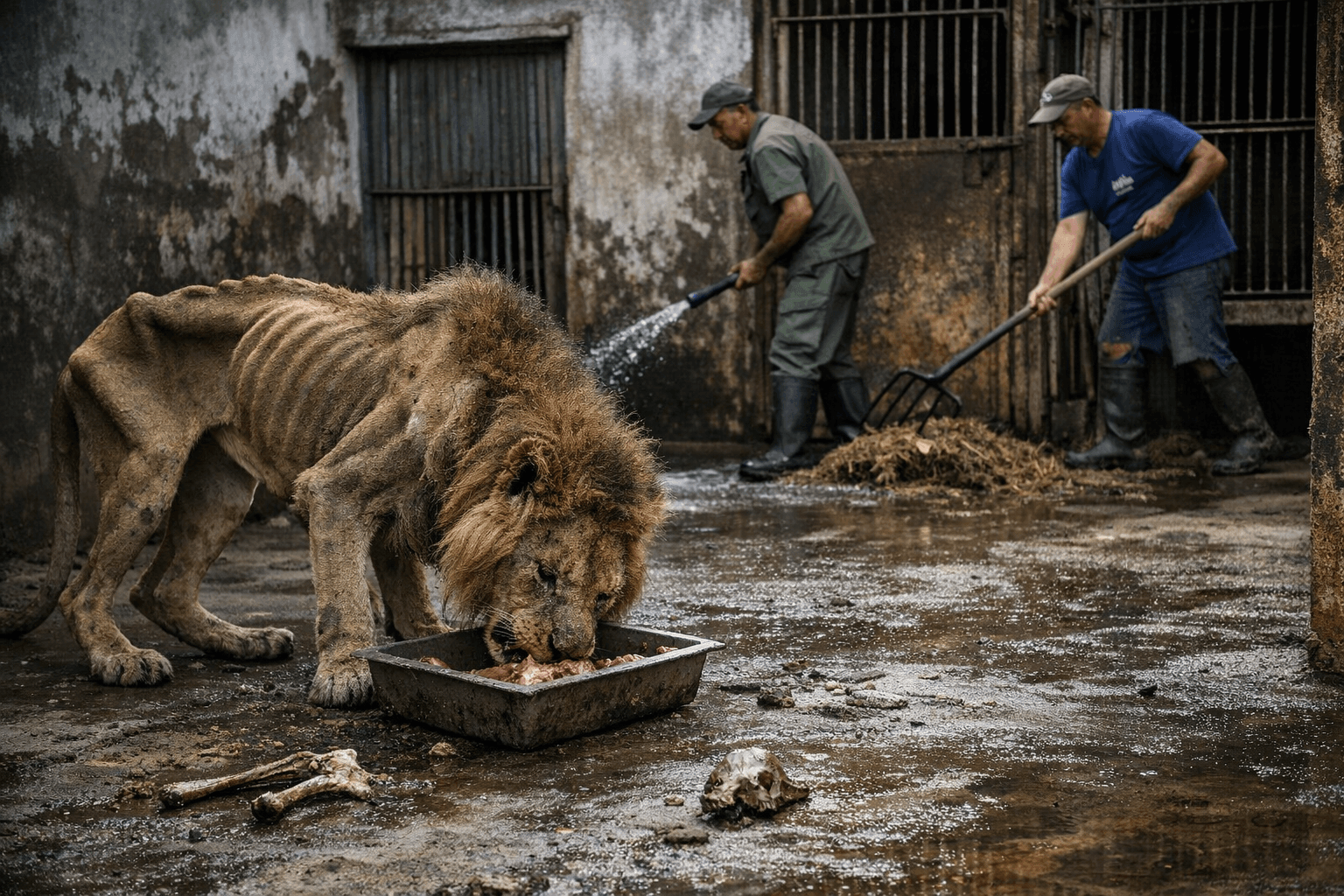
When Yanaris Álvarez posted images of the lions at Casino Campestre zoo, the response was immediate and telling. The photographs showed visible ribcages, atrophied muscles, and animals lying on bare concrete slabs. Within days the zoo had restricted access to enclosures, launched what management called urgent repairs, increased surveillance, and deployed police to turn away residents carrying donated meat.
The images, shared last Thursday and picked up widely across Cuban social-media networks, set off a rapid sequence of official damage control. Zoo management issued a statement that simultaneously defended its staff's care of the animals and conceded the facility was "not exempt" from Cuba's national economic difficulties. The dual messaging did little to satisfy Camagüey residents who had bought meat out of pocket and arrived at the gates to deliver it, only to be turned away on the director's orders. Neighbors expressed open skepticism that anything donated through unofficial channels would actually reach the animals.
The scenes at Casino Campestre are not an isolated failure. A lion at a facility in Florida municipality, in Camagüey province, was reportedly left without food for eight days, and the Puerto Padre zoo in Las Tunas generated similar complaints in December 2025 and February 2026. The pattern points to a systemic squeeze: Cuba's broader economic crisis has cut into the meat supplies, veterinary equipment, and public-sector staffing budgets that state-run zoos depend on to function.
What the Camagüey episode demonstrated, as much as any individual act of neglect, was the growing power of citizen documentation to force official action. The cleanup began not after an inspection but after a single social-media post. That the director's reaction included summoning police to confront visitors offering unsolicited food donations only deepened the community's frustration.
Animal-welfare advocates have pointed to these recurring incidents as evidence that municipal budgets alone cannot sustain Cuba's state zoo network during a prolonged fiscal crisis, and have pressed for NGO involvement and international support. The political and logistical complications of such cooperation remain unresolved, and whether Casino Campestre's rushed repairs translate into lasting improvements in animal nutrition and veterinary care is a question that no official statement has yet answered.
This article was produced by Prism’s automated news system from verified source data, official records, and press releases, then run through automated quality and moderation checks before publishing. The system is built and supervised by the people who set the standards it runs under. Read our full AI policy.
Did this article answer your question?