State Department calls for release of Cuban teen held in adult prison
A 16-year-old is still in Canaleta Prison three months after Morón’s blackout protests, and Washington has now demanded his release.
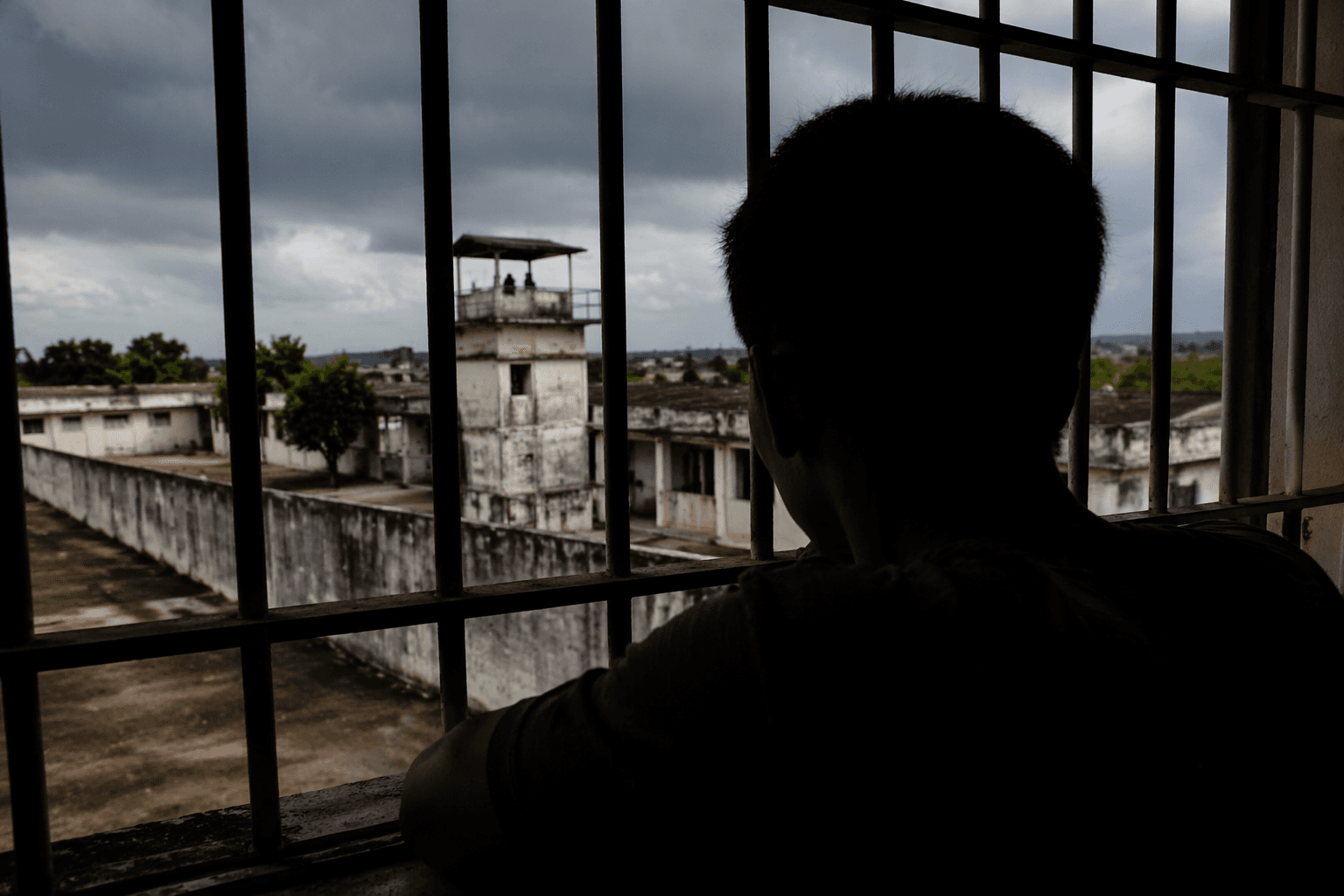
Washington’s latest demand pushed Jonathan David Muir Burgos from a local protest arrest into an international human rights case. The 16-year-old has been held since March 16, 2026, after unrest in Morón, Ciego de Ávila, that broke out over prolonged power cuts and food shortages, and he is reportedly being kept in Canaleta Prison, an adult maximum-security facility.
The Morón protests escalated sharply, with protesters attacking the local Communist Party headquarters and authorities detaining at least five people in the immediate aftermath. Jonathan was taken into custody after he and his father, evangelical pastor Elier Muir Ávila, went to a police summons. Pastor Muir Ávila leads Tiempo de Cosecha Independent Church, and he was released the same day while his son stayed behind bars.
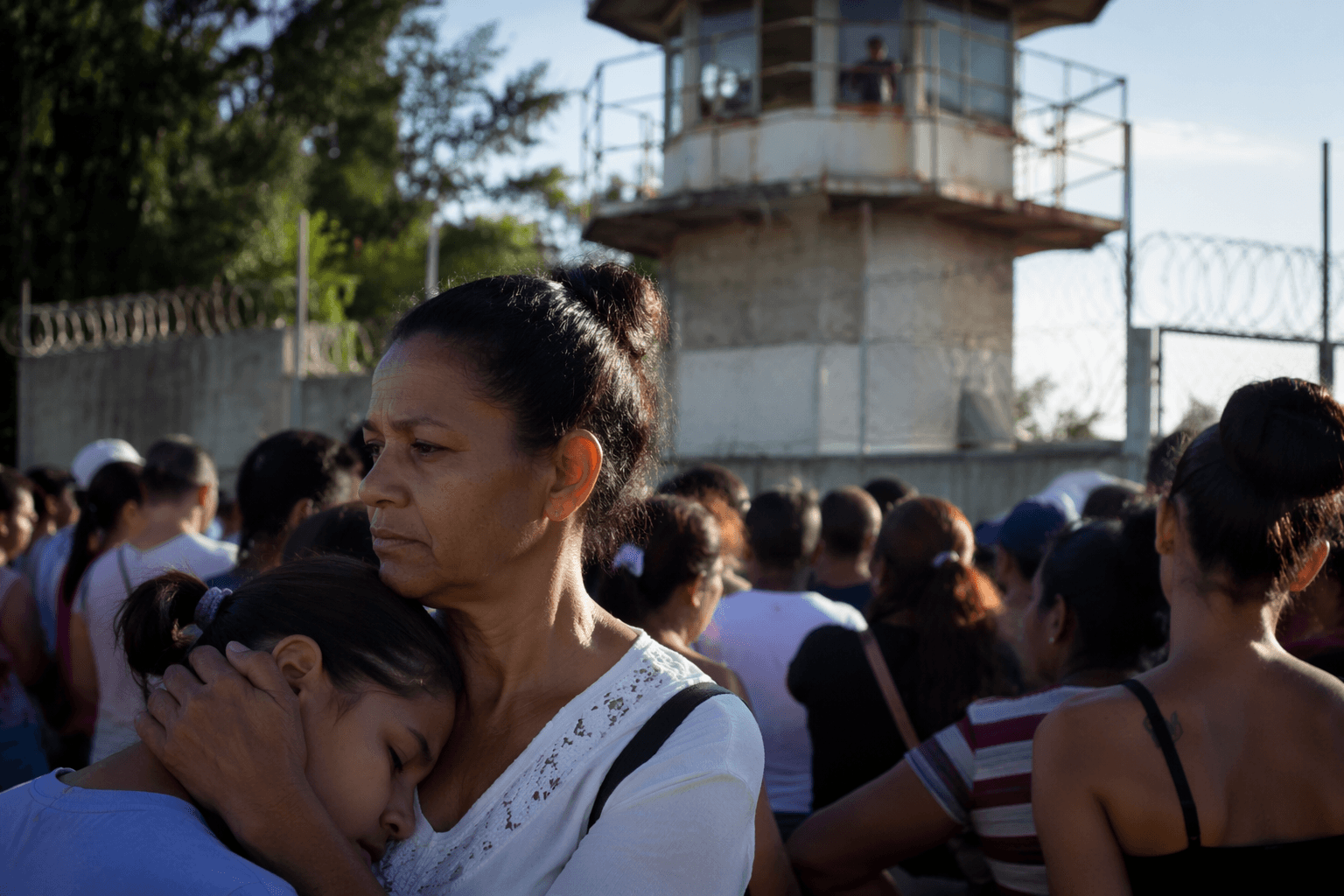
The legal path has been narrow. The Provincial People’s Court of Ciego de Ávila rejected a habeas corpus request on Jonathan’s behalf, and Amnesty International says authorities charged him with sabotage, an offense that can carry a possible 15-year prison sentence. Amnesty and the U.S. Commission on International Religious Freedom both say his family reports worsening physical and psychological health, inadequate medical care, and, in USCIRF’s account, denial of treatment for a skin condition that requires constant care.
The pressure from Washington did not start with the State Department’s latest appeal. U.S. Embassy mission chief Mike Hammer had already pressed for Jonathan’s release in a video call with the family, and the State Department’s public push came from Riley M. Barnes, the assistant secretary for democracy, human rights and labor. USCIRF says the case is tied to Jonathan’s religious association and to earlier pressure on Pastor Muir Ávila’s church, describing the boy’s detention as a form of coercion by proxy. Three months into custody, the case has become a hard, public marker of how Cuba is treating minors caught in protest crackdowns and families already in the state’s sights.
This article was produced by Prism’s automated news system from verified source data, official records, and press releases, then run through automated quality and moderation checks before publishing. The system is built and supervised by the people who set the standards it runs under. Read our full AI policy.
Did this article answer your question?