Trump vows pressure on Cuba until freedom is restored
Trump's latest Cuba push widened sanctions to banks, police, and intelligence agencies, a move that could hit remittances, flights and family visits.

Trump’s latest warning to Havana was loud, but the part with the sharpest practical bite came earlier this month: a new sanctions order that widened the target list to people, companies, and financial institutions tied to Cuba’s security apparatus. For families moving money, booking travel, or trying to keep cross-border ties alive, that is the part that could matter most.
On May 1, Trump signed Executive Order 14404, broadening Cuba sanctions under the International Emergency Economic Powers Act. The White House said the island provides a permissive environment for foreign intelligence, military, and terrorist operations less than 100 miles from the United States, and it added that more than 850,000 migrants arrived in America from 2022 to fall 2024 amid Cuba-related migration pressures. The order also opened the door to sanctions on financial institutions that transact with designated persons, a change that could ripple through remittances and other payments tied to diaspora visits and daily support.
The administration then tightened the vise again on May 18, when the U.S. Department of State sanctioned 11 regime-aligned actors and three government entities: Cuba’s Ministry of Interior, the National Revolutionary Police, and the Directorate of Intelligence of Cuba. That step goes beyond broad political pressure and lands directly on the organs that Havana uses to police dissent and enforce control. If applied aggressively, it could complicate banking relationships, travel logistics, and any commercial channel that touches sanctioned bodies.
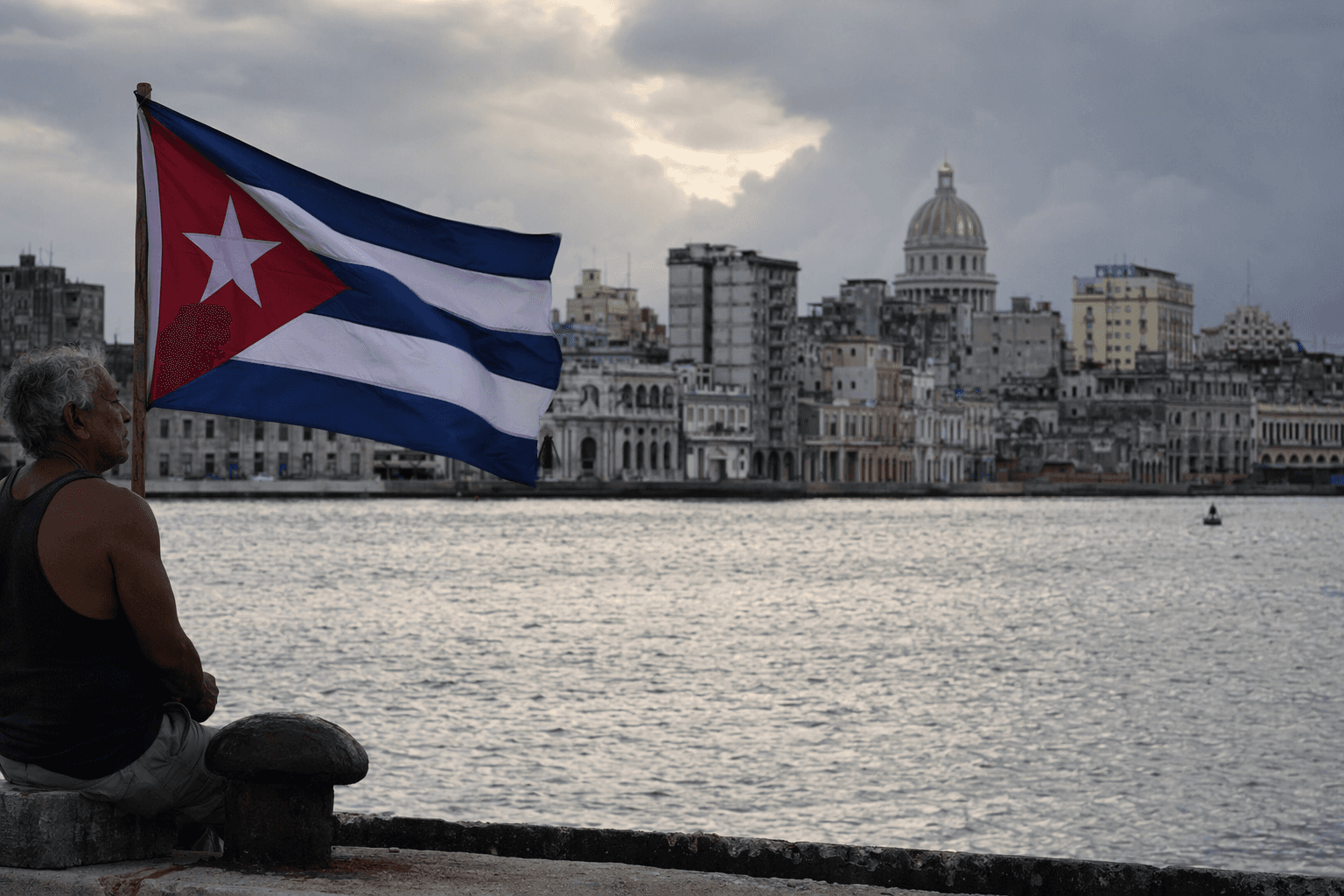
Trump paired the sanctions campaign with familiar hardline language, saying the United States would not rest until the Cuban people regained freedom and would not tolerate a hostile rogue state with military, intelligence, and terror operations so close to U.S. shores. The message echoed the administration’s June 30, 2025 Cuba memorandum, which said U.S. policy would be guided by solidarity with the Cuban people and aimed to promote democracy, human rights, and free enterprise on the island. The embargo itself has been in place since February 1962.
Havana answered in kind. Miguel Díaz-Canel Bermúdez called the sanctions “immoral, illegal, and criminal” and warned that any U.S. military aggression could trigger a “bloodbath with incalculable consequences.” Cuban officials have pushed back on claims that the island poses a threat, while island-wide blackouts, fuel rationing, and wider shortages have deepened the strain on everyday life.
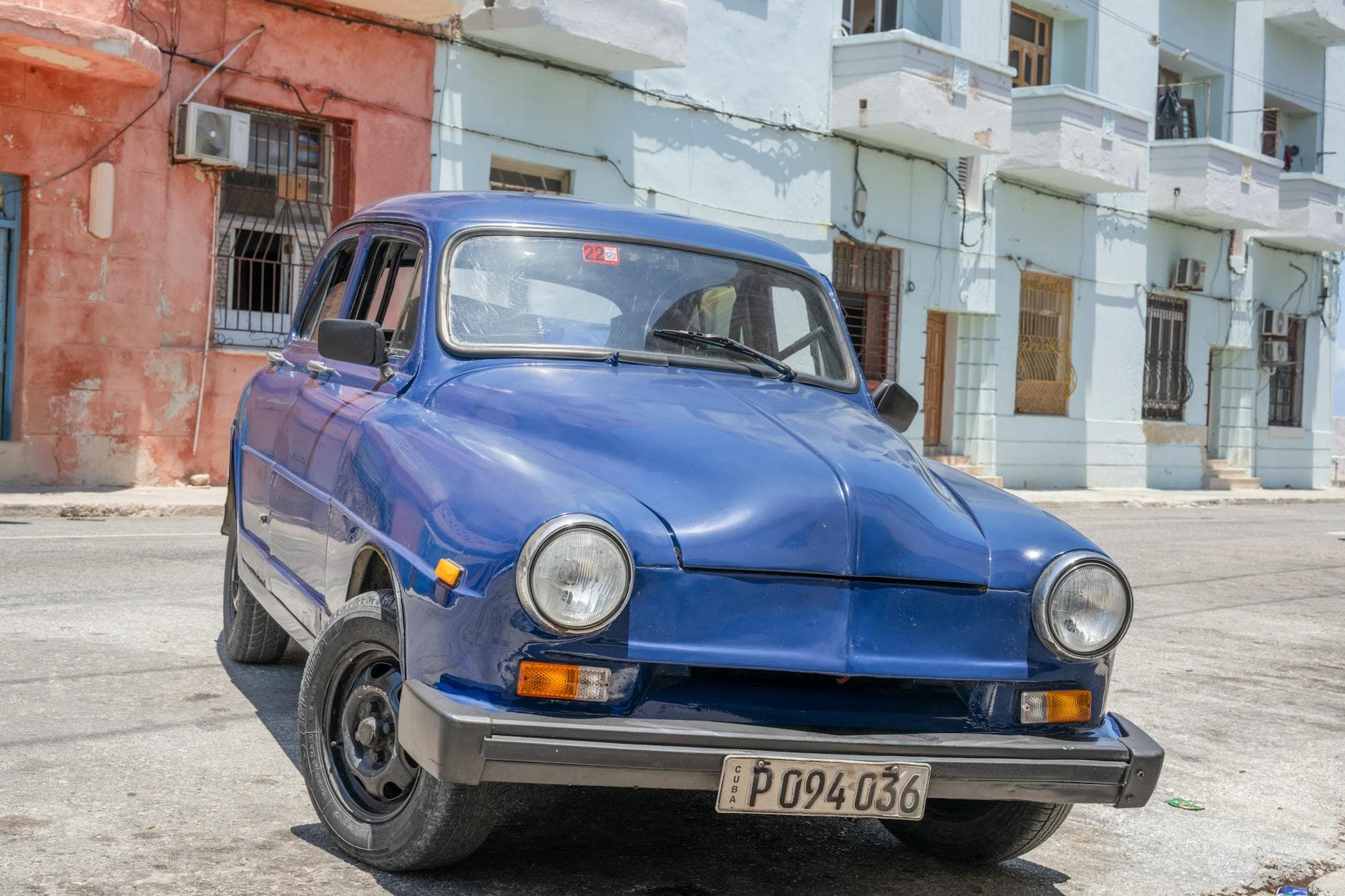
What is new here is less the rhetoric than the machinery. The language sounds like old Cuba policy; the sanctions now reach deeper into the institutions that shape money flows, movement, and family contact, which is where pressure on Cuba is most likely to be felt.
Know something we missed? Have a correction or additional information?
Submit a Tip