UM Panel Examines Record Cuban Migration Amid Shifting Federal Policy
'I don't want to be the last person in Cuba': a UM panel heard how 850,000 Cubans have arrived in the U.S. and why federal policy left them in legal limbo.
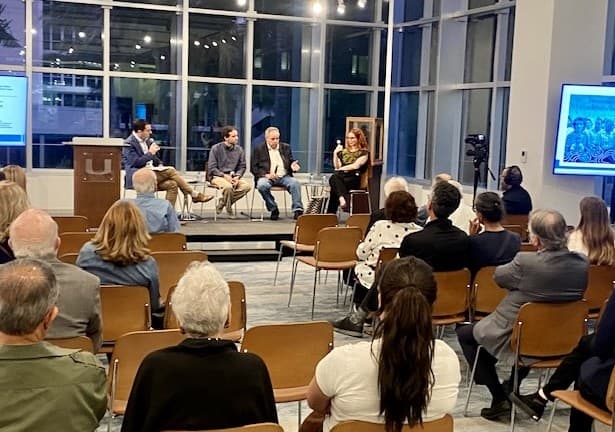
Roughly 850,000 Cubans have arrived in the United States during the current migration wave, a figure that surpasses every prior mass movement from the island, including the Mariel boatlift. That number framed the opening of a public panel held April 2 at the University of Miami's Roberto C. Goizueta Pavilion, where immigration attorneys, journalists, and scholars gathered to assess what it means, legally, politically, and humanly, for a community still processing the scale of what has happened.
The event, organized by UM's Cuban Heritage Collection under the title "Unsettled Futures: Recent Cuban Migrants, Federal Immigration Policy, and the Cuban-American Debate," drew roughly 50 attendees to the Otto G. Richter Library. Moderator Michael Bustamante, associate professor and chair of Cuba and Cuban-America studies at UM, set the terms early: this migration is historically singular, and U.S. policy has not kept pace with it.
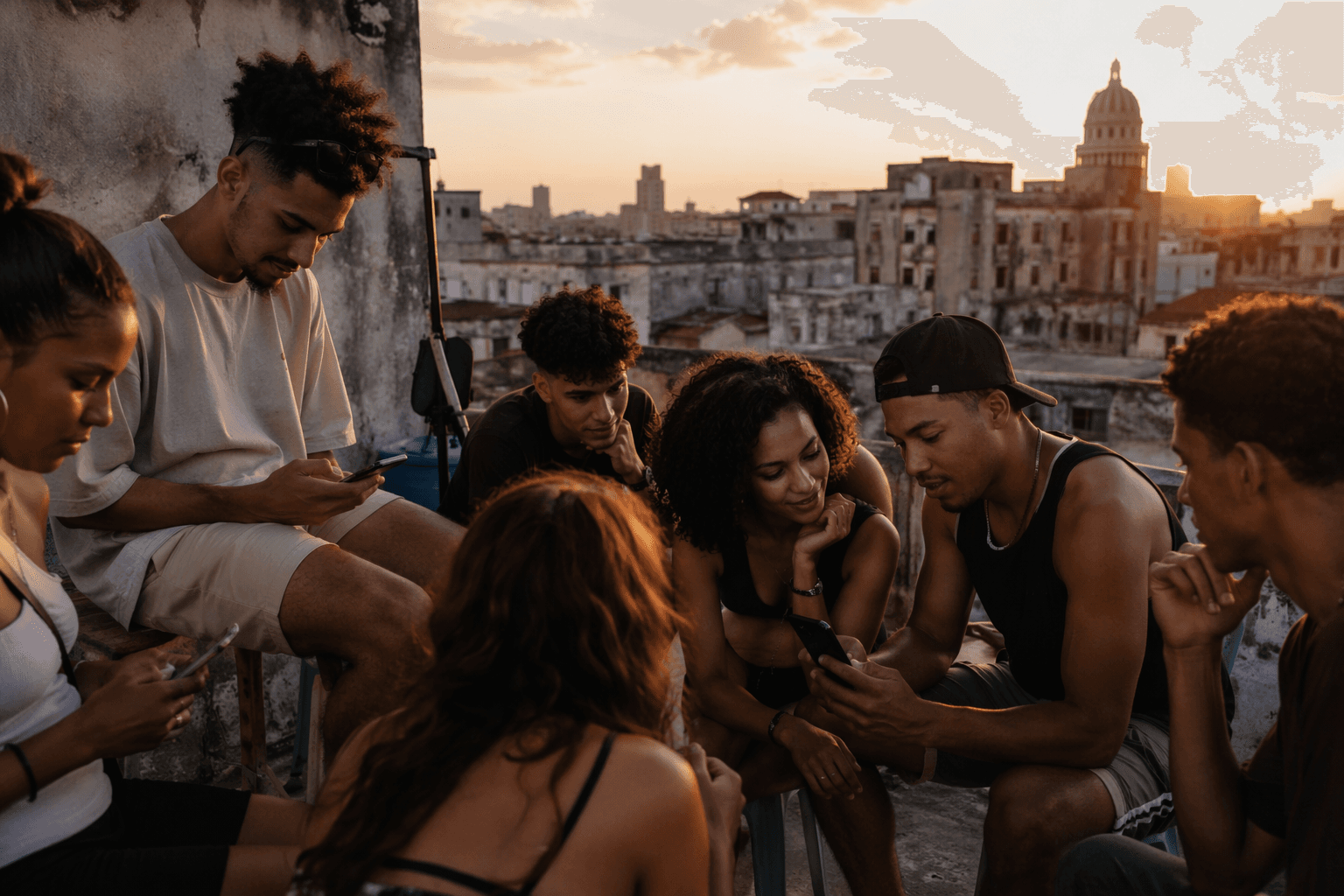
Journalist Carla Gloria Colomé Santiago, speaking from her reporting trips inside Cuba, described a psychological climate unlike anything in recent memory. "What I saw was a kind of abyss," she told the panel. "It became contagious — the idea that 'I don't want to be the last person in Cuba.'" That mood, she said, captured a collective despair and emptiness driving emigration decisions at every level of Cuban society.
Independent demographic estimates reviewed at the panel suggest Cuba may have shed as much as 18% of its population in recent years, placing the island's current count near an estimated 8 million people. Panelists noted that the composition of the wave has also shifted: migrations are increasingly family- and woman-led, and a significant share of arrivals entered the U.S. through legal third-country routes rather than the clandestine sea crossings associated with earlier waves.
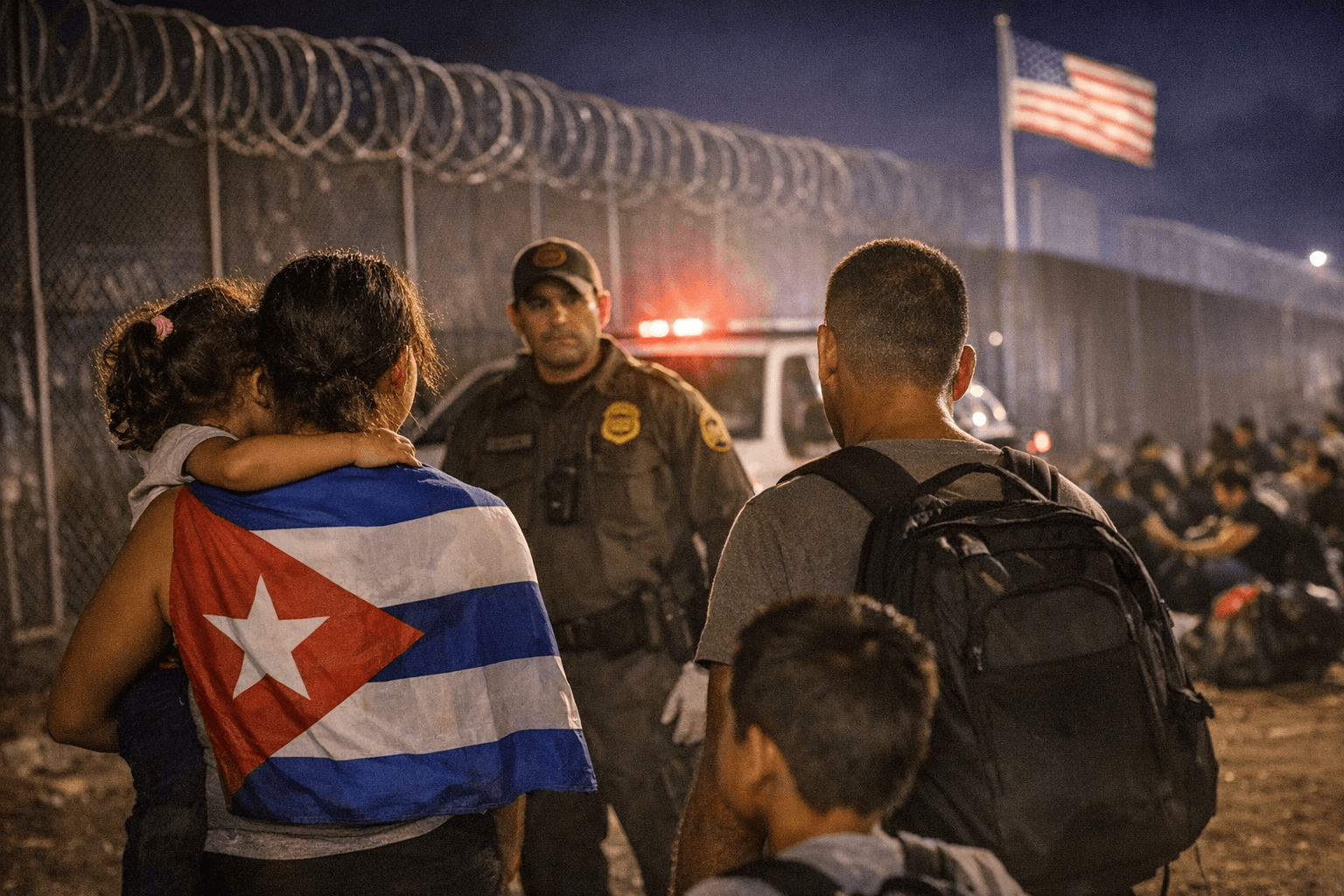
Immigration attorney Wilfredo Allen and advocate Thomas Kennedy joined Colomé Santiago in mapping the legal fallout. The central finding was blunt: the era of Cuban "exceptionalism" in U.S. immigration law is functionally over. The preferential pathways that once distinguished Cuban migrants from others seeking entry have been curtailed, leaving hundreds of thousands of recently arrived Cubans navigating a legal landscape with fewer protections and less certainty than those who came before them. The consequences extend to family reunification, long-term residency status, and access to legal relief.
The panel also traced the political fault lines the migration has exposed within Miami's Cuban-American community. Views range from calls for humanitarian relief for those already here to demands for harder-line U.S. measures against the Cuban government, a tension that reflects how deeply migration policy and foreign policy are intertwined for this diaspora. Every decision Washington makes about parole, deportation, or asylum status carries immediate weight in enclaves like Miami, where newly arrived Cubans are reshaping housing markets, labor pools, and political organizing.
The families arriving now are not waiting for policy to catch up with them.
This article was produced by Prism’s automated news system from verified source data, official records, and press releases, then run through automated quality and moderation checks before publishing. The system is built and supervised by the people who set the standards it runs under. Read our full AI policy.
Did this article answer your question?