UN food agency approves Cuba aid plan despite U.S. opposition
The UN food agency backed a Cuba plan through 2030, but with blackouts, fuel cuts and food shortages still biting, the real test is delivery on the ground.
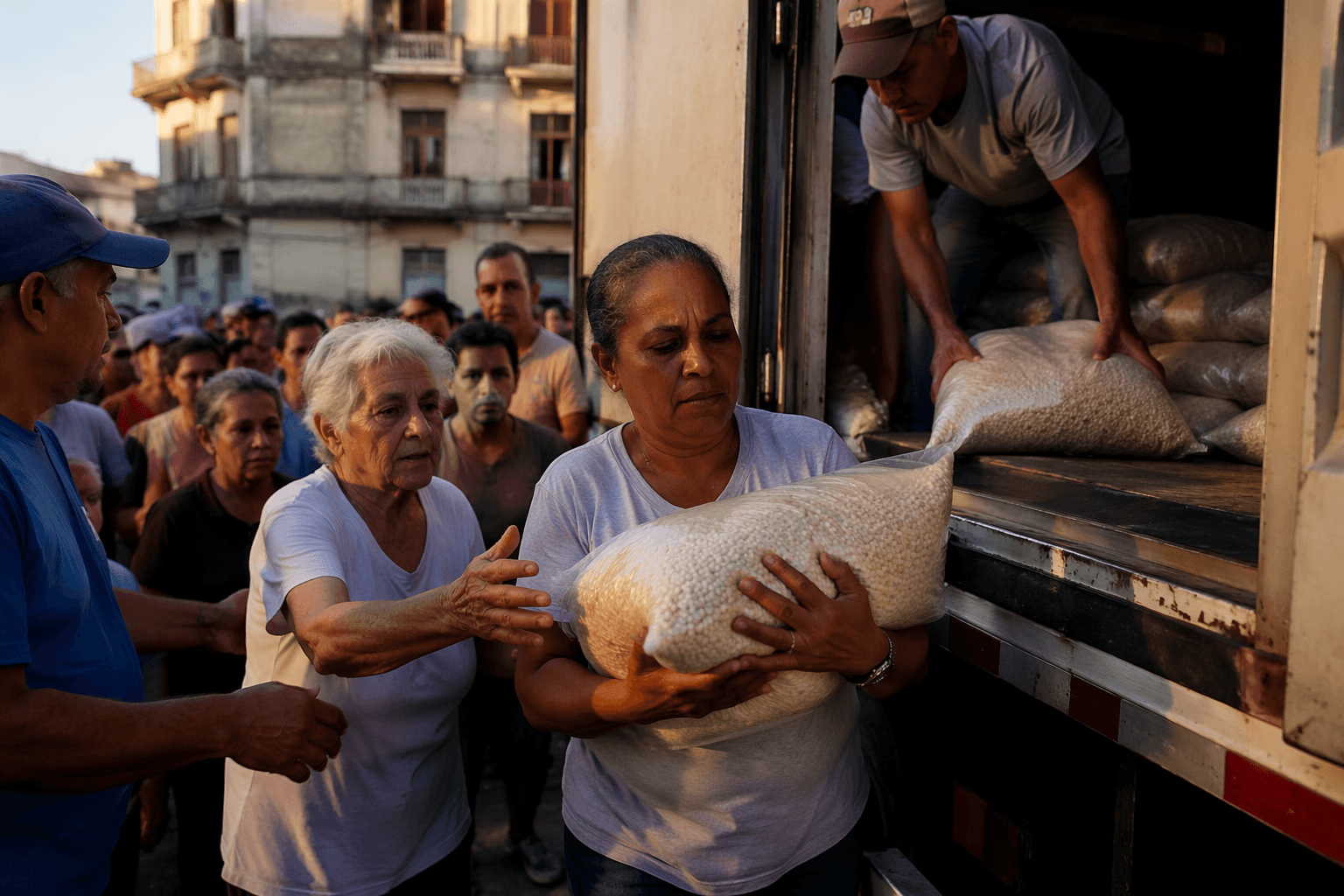
The World Food Programme approved a new five-year plan for Cuba that runs from July 1, 2026, through December 31, 2030, giving Havana a diplomatic win even as the island’s food and fuel crisis keeps grinding on. The strategy, set out in Rome, centers on food security, logistics systems and protection for vulnerable groups.
Cuba’s ambassador to the UN agencies in Rome, José Carlos Rodríguez Ruiz Cepero, celebrated the vote as proof that Cuba was not alone. Cuban state media cast the approval as a plan that survived attempts by Washington to block it, while the agency’s own documents describe the operation as fully aligned with the UN Sustainable Development Cooperation Framework for 2026 to 2030 and Cuba’s national development plan to 2030.
The practical question is whether the new plan will change anything for ordinary Cubans. It gives the World Food Programme better access to fuel in Cuba, a sensitive issue on an island where sanctions have slashed energy imports and power cuts can stretch for many hours. On June 11, the U.S. State Department said it designated CUPET, Cuba’s state oil company, under Executive Order 14404 for operating in the country’s energy sector, adding another obstacle to fuel imports.
The World Food Programme’s own Cuba page shows how deeply it is already embedded in the island’s daily survival. In 2024, it supported 1.3 million people and provided food to more than 460,000 people in disaster response. That scale matters because the crisis has gone far beyond the dinner table. In May, UN humanitarian reporting said daily blackouts were regularly topping 20 hours, while in February nearly one million people were getting drinking water from tanker trucks and 84 percent of pumping equipment depended on electricity.
The shortages have also hit health care and food production. UN officials warned in May that hospitals were suspending surgeries and struggling to keep lifesaving equipment running because of blackouts and fuel shortages. After Hurricane Melissa struck in November 2025, the World Food Programme said it helped more than 900,000 people in eastern provinces with 2,900 tons of food. UN News said the storm left about 2.2 million people in need across Granma, Santiago de Cuba, Holguín and Guantánamo, and WFP response material said 33 municipalities were affected.
That is why Havana is treating the board vote as a victory, even if the skepticism never goes away. Aid on paper does not automatically mean food on a family’s table, and the hard test now is whether the new plan lowers scarcity or just gives the state a cleaner headline.
This article was produced by Prism’s automated news system from verified source data, official records, and press releases, then run through automated quality and moderation checks before publishing. The system is built and supervised by the people who set the standards it runs under. Read our full AI policy.
Did this article answer your question?